Ho Chi Minh City is rolling out comprehensive financial support policies for small and medium-sized enterprises (SMEs) and startups, including preferential loans and credit guarantees. The city aims to provide up to 200 billion dong in loans per project, with interest rate support ranging from 50% to 100%, to address capital bottlenecks and foster business growth.
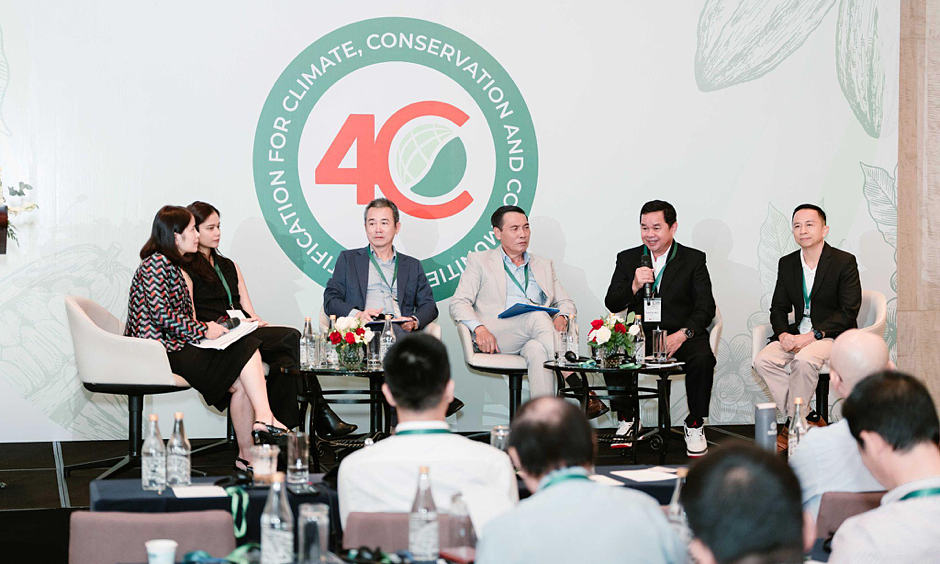
Details of these initiatives were presented at a workshop titled "HFIC and the Credit Guarantee Fund – A Gateway to Capital for Startups, Small and Medium Enterprises," organized by the Department of Science and Technology of Ho Chi Minh City at the Ho Chi Minh City Innovation Startup Center (Sihub) on 25/8. The workshop highlighted two key support mechanisms: interest rate support loans under Resolution 09/2023/NQ-HDND and credit guarantees.
The program is led by the Department of Science and Technology of Ho Chi Minh City, with coordinated efforts from Sihub, the Ho Chi Minh City Financial Investment Company (HFIC), and the Credit Guarantee Fund for Small and Medium Enterprises of Ho Chi Minh City.
Under the interest rate support loan mechanism, HFIC serves as the lead lender or co-lender, with the city budget subsidizing a portion of the interest. The maximum loan amount eligible for interest rate support is 200 billion dong per project. The city offers support for up to 70% of construction investment capital and 85% of technology and equipment investment capital.
Interest rate support varies from 50% to 100% depending on the project, with a maximum support period of 7 years. The supported interest rate is calculated based on the average 12-month VND deposit rate of four commercial banks in the city, plus an annual management fee of 2%.
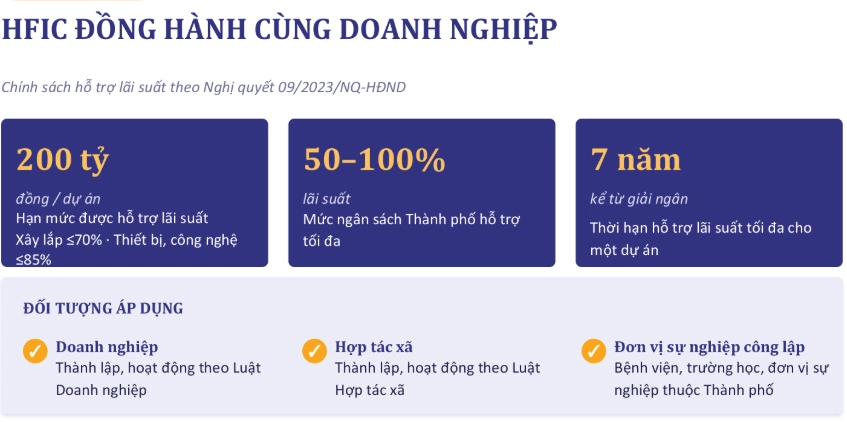 |
Preferential financial support policies from HFIC for Ho Chi Minh City businesses. Source: HFIC |
Eligible entities for these programs include businesses, cooperatives, and public service units such as hospitals and schools, all operating under legal regulations. Priority sectors for support include: high technology - digital transformation, startup - innovation, commerce serving agricultural production, healthcare - education and training - culture - sports, and economic - technical - environmental infrastructure.
Furthermore, the city's four key industries receive full interest rate support: mechanical automation, electronics - information technology, rubber - plastics - pharmaceuticals, food processing, and supporting industries for textiles - garments - footwear.
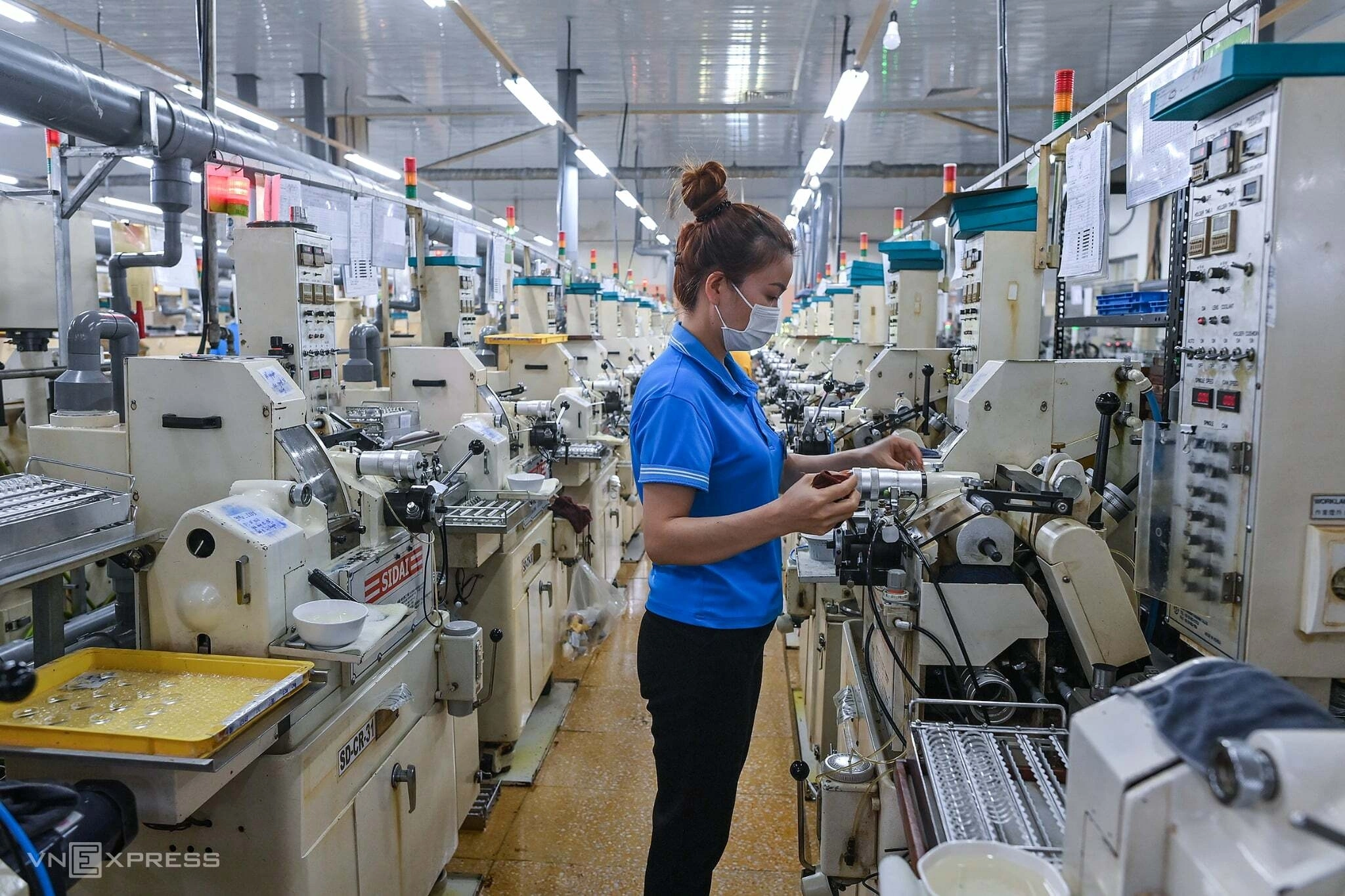 |
Lens production line at a factory. Photo: Giang Huy |
To be considered for interest rate support, projects must align with the city's socio-economic development plan and undergo appraisal by HFIC for their efficiency and loan repayment capacity. Additionally, businesses must not have signed contracts with contractors or suppliers for the specific items proposed for support.
"Based on these criteria, HFIC will approve loans or co-finance as the lead entity," stated Nguyen Ha Lam, Deputy Head of HFIC's Planning - Research and Development Department.
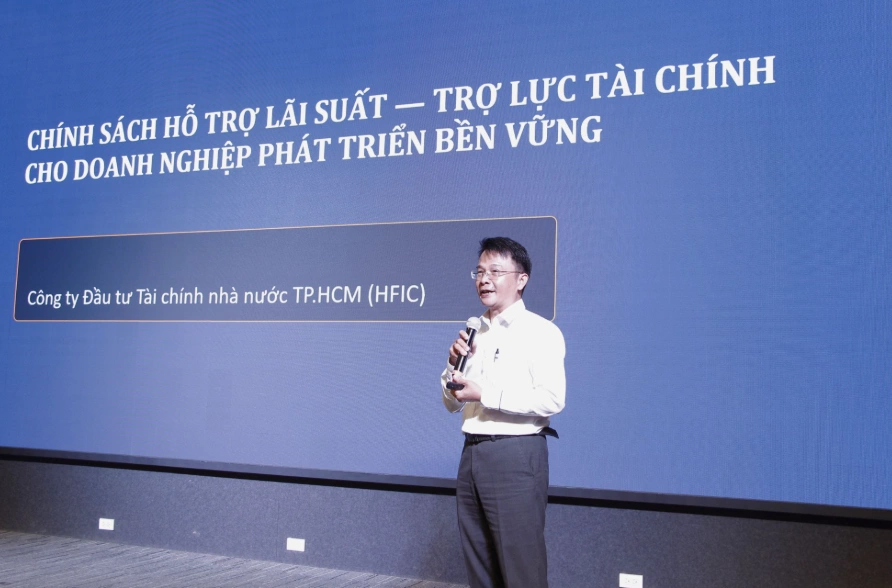 |
Nguyen Ha Lam, Deputy Head of HFIC's Planning - Research and Development Department. Photo: Sihub |
For businesses lacking sufficient collateral, the second support mechanism offers credit guarantees, covering up to 100% of the loan amount. To qualify for a guarantee, businesses need a minimum equity of about 15-20% of the project value and must not have any overdue tax debt. They are also required to repay the principal in agreed installments rather than a single lump sum at maturity.
Should loan amounts exceed 200 billion dong or the repayment period extend beyond 7 years, investors are responsible for arranging and balancing the difference themselves. HFIC ensures transparency by making all loan conditions, application forms, procedures, guidance manuals, and related documents publicly available on its official website, allowing businesses and startups to easily access and prepare their applications.
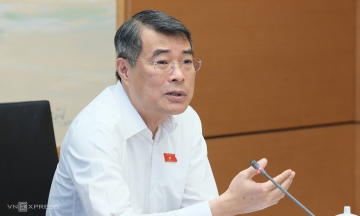
Pham Huynh Quang Hieu, Deputy Director of the Department of Science and Technology of Ho Chi Minh City, emphasized at the workshop that access to capital remains a major bottleneck for startups and SMEs. He noted that most businesses rely on physical assets for loans, while a startup's primary assets—technology, intellectual property, and its team—are often challenging for traditional credit institutions to value.
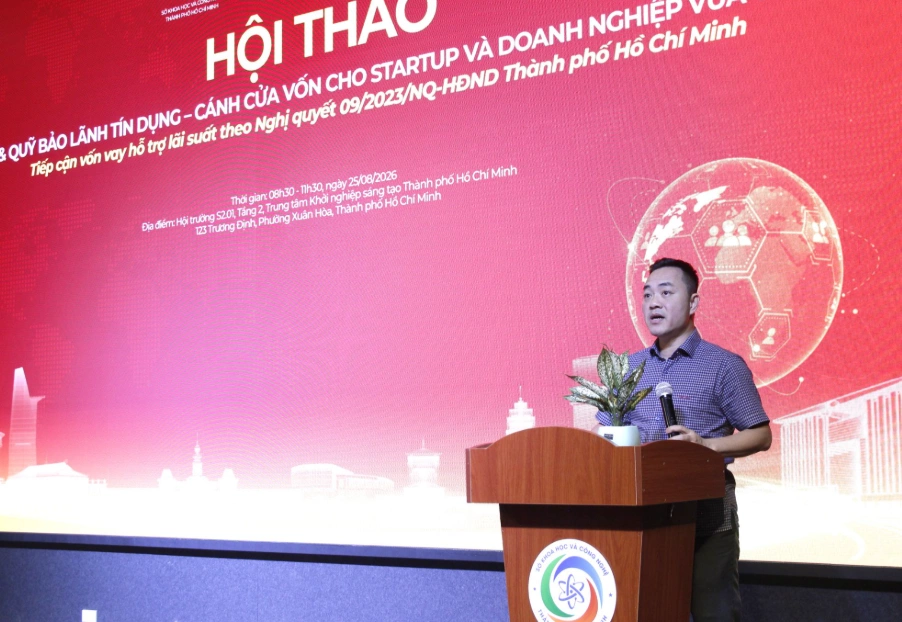 |
Pham Huynh Quang Hieu, Deputy Director of the Department of Science and Technology of Ho Chi Minh City, speaking at the event. Photo: Sihub |
According to Hieu, while the city has numerous capital support policies, the disconnect between capital providers and seekers often stems from a lack of information, complex processes, and businesses' insufficient preparation of documents. The Department of Science and Technology considers unlocking capital for innovative businesses a central task, aiming to establish a "capital chain according to business lifecycle." In this model, the budget and venture capital funds provide "seed capital" during early stages, credit guarantees and interest rate support empower businesses during expansion, and market capital becomes accessible once businesses meet the necessary standards.
This strategic focus on innovation has yielded results, with Ho Chi Minh City recently entering the top 100 global innovation startup ecosystems for the first time, according to the StartupBlink ranking. This achievement comes four years ahead of the city's original 2030 target.
Thai Anh