Global brands often pursue consistency in positioning across multiple countries. According to Starbucks Vietnam, brand identity is built on the in-store experience, service, personalization capabilities, and beverage culture, rather than solely on a specific product group.
Upon entering the Vietnamese market, Starbucks aimed to localize products without localizing its brand, adjusting its product portfolio to better suit customer needs.
The milk tea product line in Vietnam was developed with this approach. The new menu does not replace coffee or alter the existing Starbucks experience; instead, it offers additional choices for customers alongside familiar beverage lines.
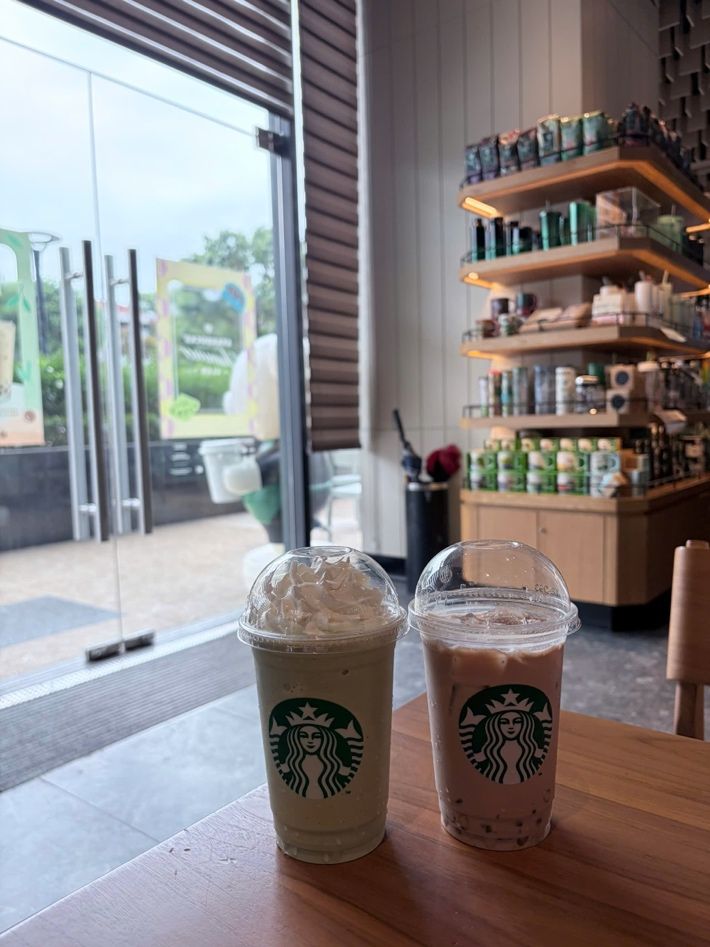 |
Starbucks sells milk tea in the Vietnamese market for the first time. Photo: Starbucks.
Starbucks did not develop this menu quickly. Previously, the brand had introduced various tea lines, tea lattes, and some limited-edition milk tea versions to gauge market reaction. Following this testing phase, the menu was expanded with more options and a long-term development strategy.
The notable aspect is not that the brand sells milk tea, but how this category was developed. Instead of launching many products simultaneously, Starbucks chose a phased approach: testing, evaluating consumer feedback, and then expanding. This strategy mitigates risks when investing in a new product category and establishes a foundation for future growth.
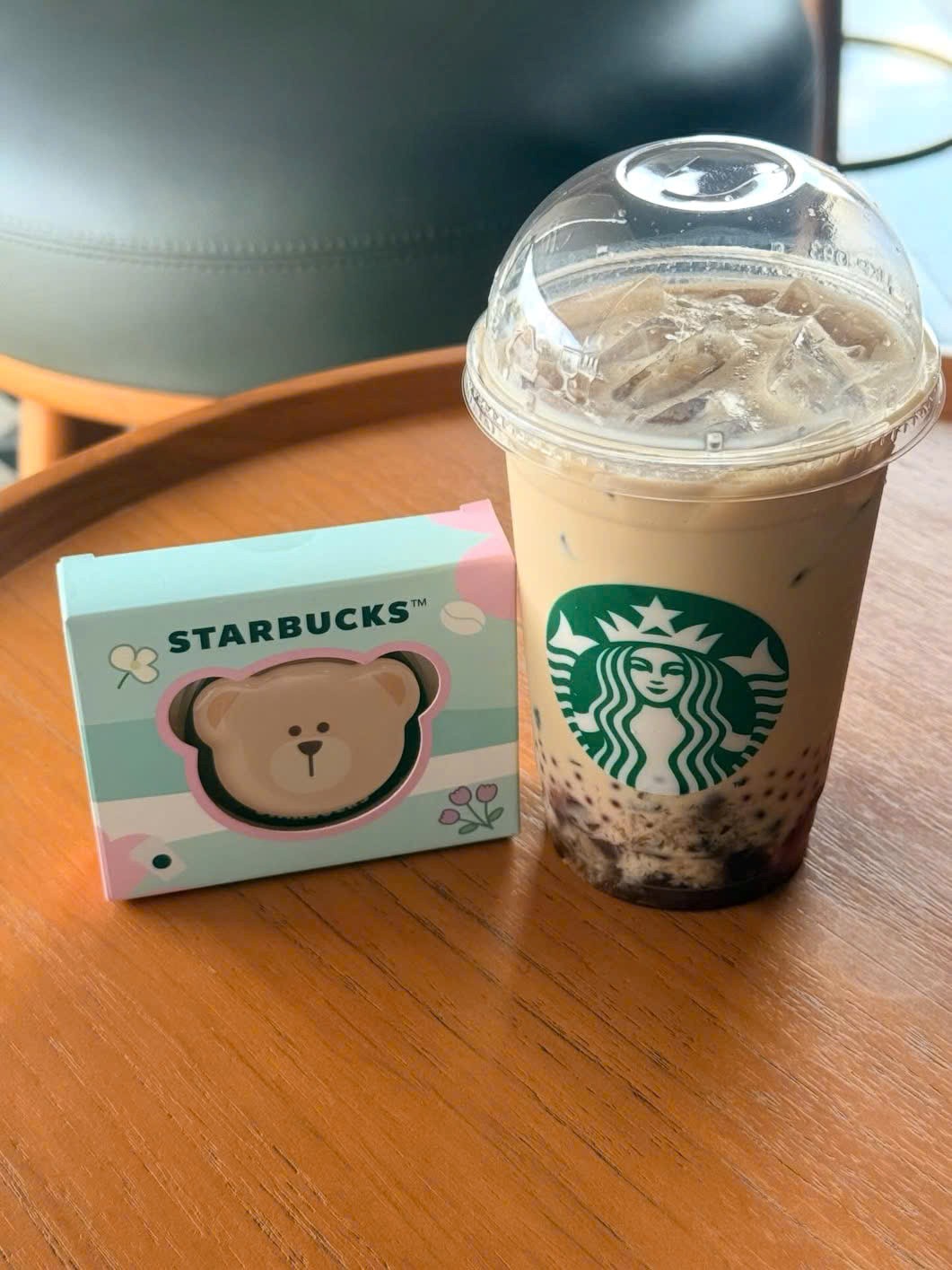 |
Milk tea adds to the menu at Starbucks alongside familiar beverages. Photo: Starbucks.
Starbucks' investment in building a complete platform, rather than just introducing limited editions, indicates that the brand views milk tea not as a short-term trend but as a category with long-term growth potential in Vietnam, where a tea-drinking culture has existed for many years. This also reflects a shift in how the company "listers to consumers." Instead of merely meeting demand with experimental products, Starbucks is investing in a product platform that can continue to expand.
Beyond expanding its product portfolio, Starbucks maintains its brand identity elements. According to a company representative, with the new beverage menu, core elements such as the in-store experience, ingredient standards, service approach, and brand story remain unchanged.
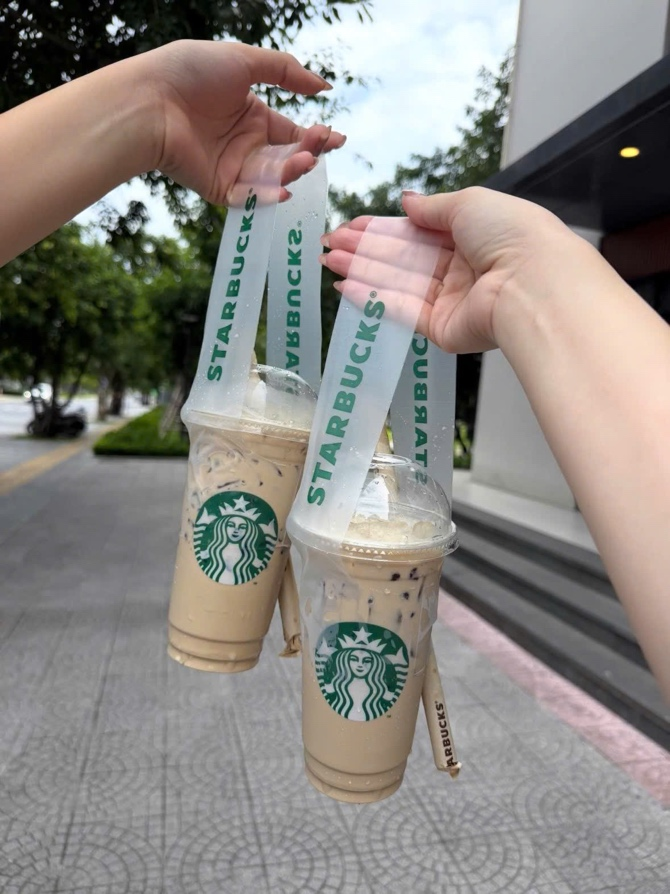 |
Milk tea becomes a new option in Starbucks' product ecosystem. Photo: Starbucks.
A brand representative added that the business effectiveness of the milk tea category needs more time for market validation. However, from a strategic perspective, this move indicates Starbucks is shifting from adding trend-driven products to building sustainable categories.
In an increasingly fragmented F&B market, expanding consumer choices while maintaining brand consistency is seen as a way for businesses to balance global identity with local demand.
Yen Chi