According to the Agency of Foreign Trade (Ministry of Industry and Trade), Vietnam imported 112,090 tons of fresh, chilled, or frozen pork, valued at 185.54 million USD, in the first 7 months of the year. While import volume increased by 27.1%, its value decreased by 20.9% compared to the same period last year.
Vietnam imported pork from 19 markets, with Brazil accounting for 44.5% of the total volume. Other key suppliers included Russia, Spain, and Germany.
The average import price was about 1,638 USD per ton, equivalent to 43,000 dong per kg. This represents a 38.4% decrease compared to the same period in 2025. This price is approximately 25-28% lower than domestic live hog prices and significantly below the common price of cut pork, which currently ranges from 70,000-145,000 dong per kg.
The sharp decline in imported pork prices, according to importers, is due to abundant global supply. Brazil, which accounted for 44.5% of Vietnam's total pork imports in the first 7 months, is the largest supplier and benefits from a cost advantage in production.
According to the USDA, Brazil's pork production in 2026 is projected to reach 4.9 million tons, a 3% increase. This growth is driven by plentiful feed supplies and rising international demand. Brazil leads the world in soybean production, with its 2025-2026 crop accounting for about 42% of global output. Corn supplies are also abundant, with prices in March down 21% compared to the same period in 2025, contributing to lower livestock feed costs.
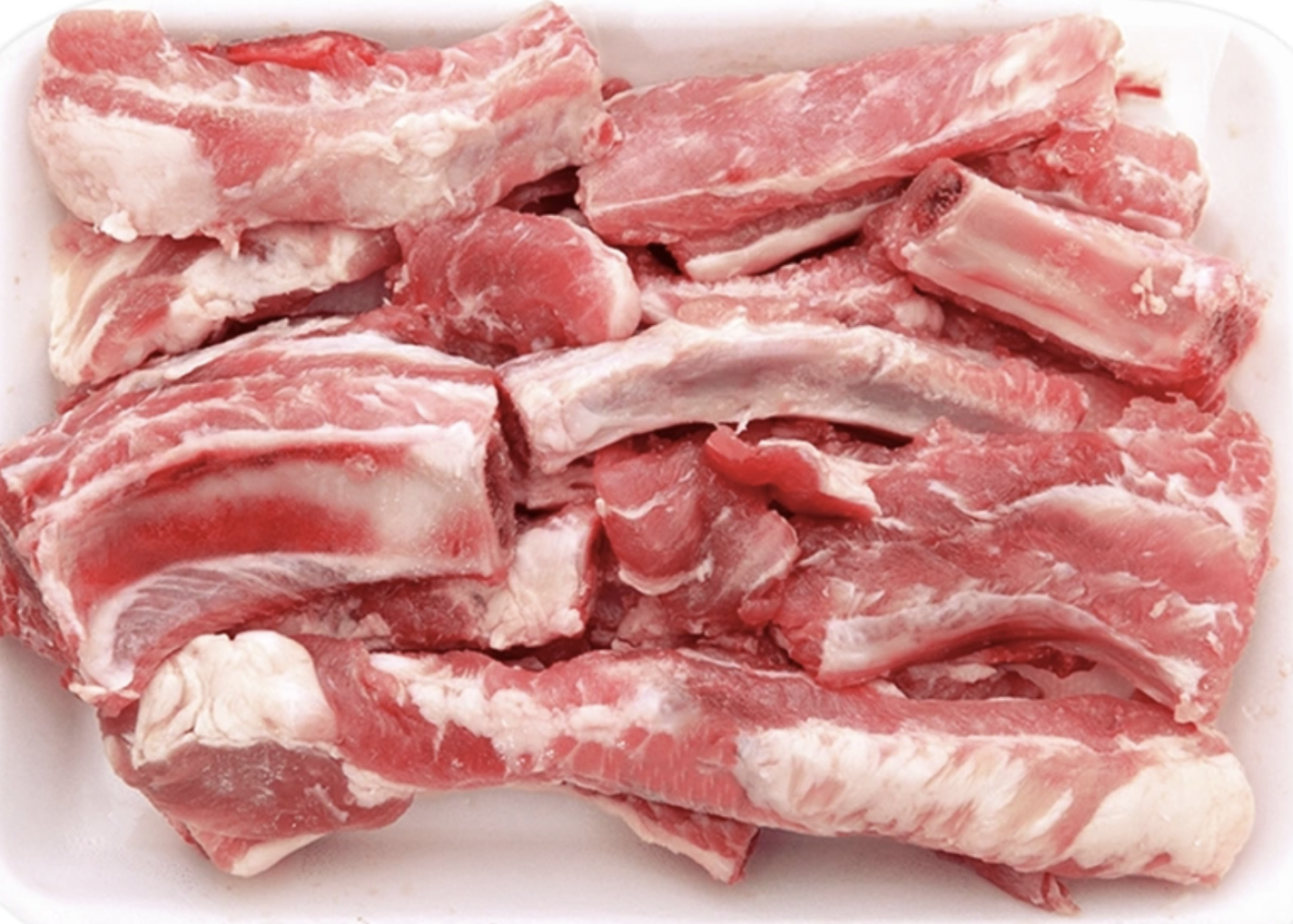 |
Imported Brazilian pork ribs sold at a supermarket in TP HCM. *Photo: Hong Chau* |
Nguyen Kim Doan, Vice Chairman of the Dong Nai Livestock Association, stated that live hog prices in Brazil, Vietnam's largest supplier, are currently only one-half of domestic prices.
He explained that the low prices from imports, coupled with a sharp increase in pork volume entering Vietnam, are creating additional competitive pressure for domestic livestock farmers, especially as consumer purchasing power has not fully recovered.
Farmers also face pressure from rising input costs. Since the beginning of the year, feed prices have increased in several rounds, adding approximately 300,000 dong to the cost of raising every 100 kg of live hog.
Meanwhile, current live hog prices in the market commonly range from 57,000-60,000 dong per kg. This causes many households to incur losses and tend to sell early to mitigate risks.
Doan noted that summer is typically a low season for the pork market due to many people observing vegetarian diets and students being on summer break. Weak purchasing power amidst abundant supply adds further pressure on live hog prices. In the short term, he predicted that live hog prices might see a slight increase within a narrow range as summer concludes. Purchasing power from collective kitchens and traditional markets is expected to recover, thereby supporting prices.
Thi Ha