Data firm Kpler reported that Iran's crude oil and condensate loaded onto ships last week reached nearly 27 million barrels, almost three times the recent average. This month, approximately 2,3 million barrels of Iranian crude oil were loaded daily, marking a 50% increase compared to the average of the previous three months.
If the current pace is maintained, this month will mark the country's strongest crude oil export performance since 2018, a period before nuclear program-related sanctions were reimposed.
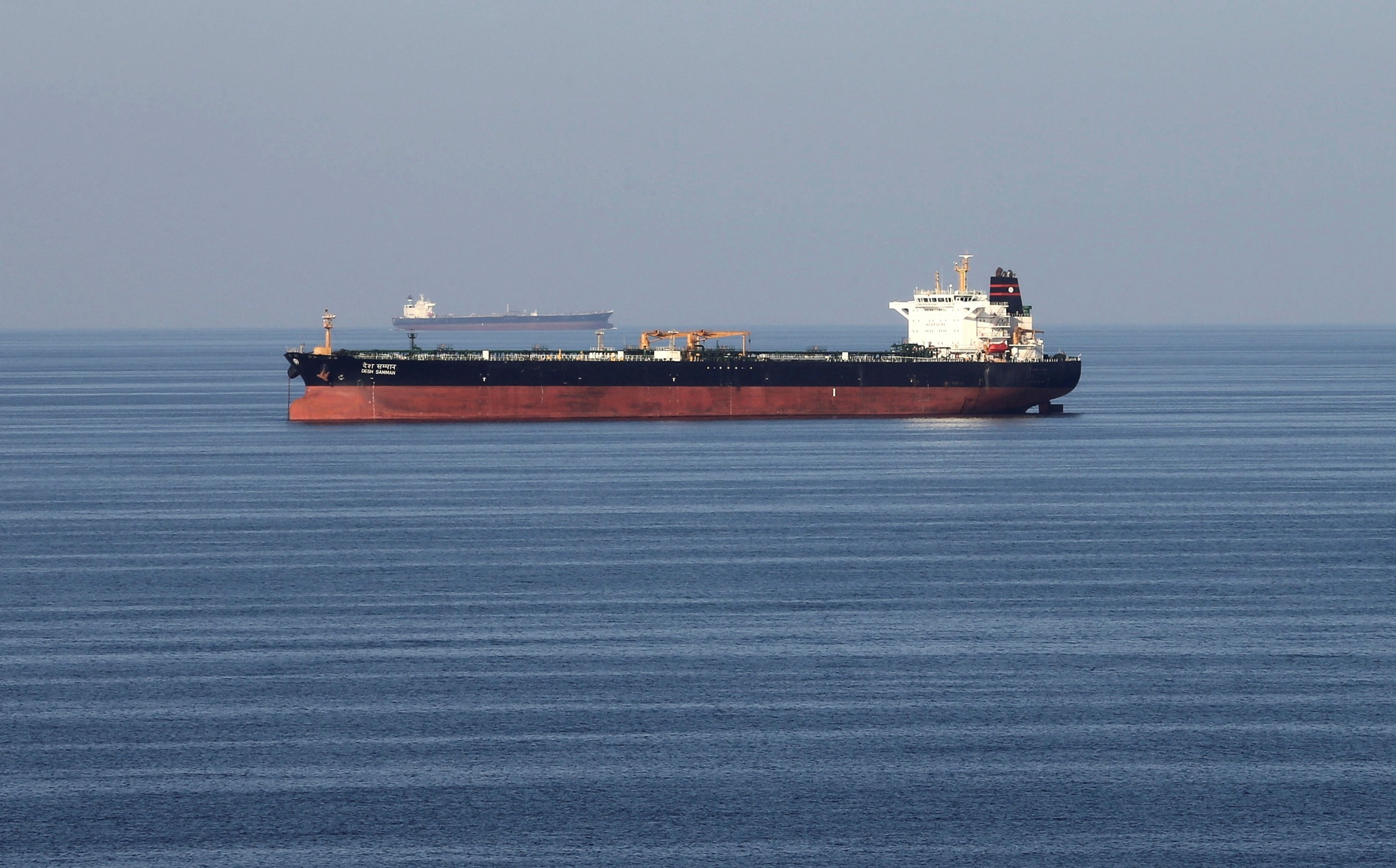 |
Oil tanker passing through the Strait of Hormuz in 12/2018. *Photo: Reuters* |
This development occurred just days before Iran was attacked by Israel. On 28/2, Israel's Defense Minister announced the launch of a "preemptive strike" against Iran. US President Donald Trump later posted a video on the social media platform Truth Social, declaring that the US had begun a campaign targeting Iran. In response, Tehran announced it was preparing a strong retaliation.
The latest round of negotiations between Washington and Tehran regarding Iran's nuclear program concluded on 26/2 in Geneva, Switzerland, without any breakthroughs. Previously, Iran had warned of a strong response if the US attacked, raising concerns about potential disruptions to energy flows through the Strait of Hormuz. This critical waterway facilitates the transit of approximately 25% of the world's seaborne crude oil and 20% of global liquefied natural gas (LNG).
Iran possesses the world's third largest oil reserves, totaling 209 billion barrels, according to data from the Organization of the Petroleum Exporting Countries (OPEC). It also ranks as the third largest oil producer within OPEC, with a daily output of 3,3 million barrels, accounting for 3% of global demand.
Meanwhile, Iran's offshore oil storage continues to rise. Kpler estimates Tehran's floating oil storage has reached a record high of nearly 200 million barrels. This increase is attributed to heightened loading activities and weakening demand from China, Iran's largest buyer. This year, China's imports of Iranian crude oil and condensate averaged 1,2 million barrels a day, a 14% decrease compared to last year, according to Kpler data.
Ha Thu (based on WSJ, Reuters)