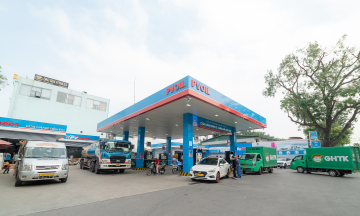
Ahmad Karimi, 52, a taxi driver and father of two, says he spends 15 hours daily earning a living but still has to tighten his belt. "We cut back on fruit and meat, gave up entertainment, and even work on weekends," he recounted.
Nearly 6 months since the conflict with the US began, grocery stores in Tehran remain well-stocked. However, rice prices have increased by 60% and beef costs 150% more than before the conflict. Rising prices make it difficult for families like Ahmad Karimi's to balance income and expenses.
As food prices in stores soar and the rial loses half its value, many people flock to the capital's vast Grand Bazaar, hoping to find cheaper essential goods.
A 41-year-old mother of two in northern Iran posted a photo on social media platform X this week after buying milk, eggs, toilet paper, and a few other items, but no meat, for 89 million rials (approximately 65 USD). "Buying basic necessities has now become our top priority, while our shopping cart gets smaller and more restricted," she stated. She added that she feels exhausted each time she has to deliberate and refuse her children's shopping requests.
Not only food and medicine, but nearly all other goods have become expensive, except for gasoline, thanks to government subsidies. Last week, an assistant to Iran's President indicated that the country's daily gasoline consumption exceeds its production, thus not ruling out the possibility of a price increase.
According to the International Monetary Fund (IMF), inflation in Iran is projected to reach nearly 70% by the end of this year. Meanwhile, the country's GDP may decline by over 5% after a decade of sanctions.
Official government figures show the unemployment rate is 9,1%, though actual estimates may be much higher. By the end of May – three months after the conflict erupted – over one million jobs had disappeared, according to a representative from the Iranian Ministry of Labor.
Despite the difficulties and hardships, citizens show resilience in the face of emerging economic pressures, according to Hassan Golmoradi, an economist in Tehran.
On 19/8, US President Donald Trump launched an "economic war" against Iran. Trump and his team of advisors believe economic pressure will compel the country to accept US conditions to end the conflict.
However, experts remain skeptical about whether increasing economic pressure will force Iran to concede. The country has long been subject to Western sanctions and has become adept at evading them.
Accordingly, they have expanded domestic production, utilized informal cross-border trade networks, acquired restricted goods through third countries, and shipped oil via a "dark fleet".
"Iran's resilience helps it avoid collapse, preventing economic hardship from transforming into political pressure and the changes the US anticipates," said Hadi Kahalzadeh, an Iranian economics expert at Brandeis University.
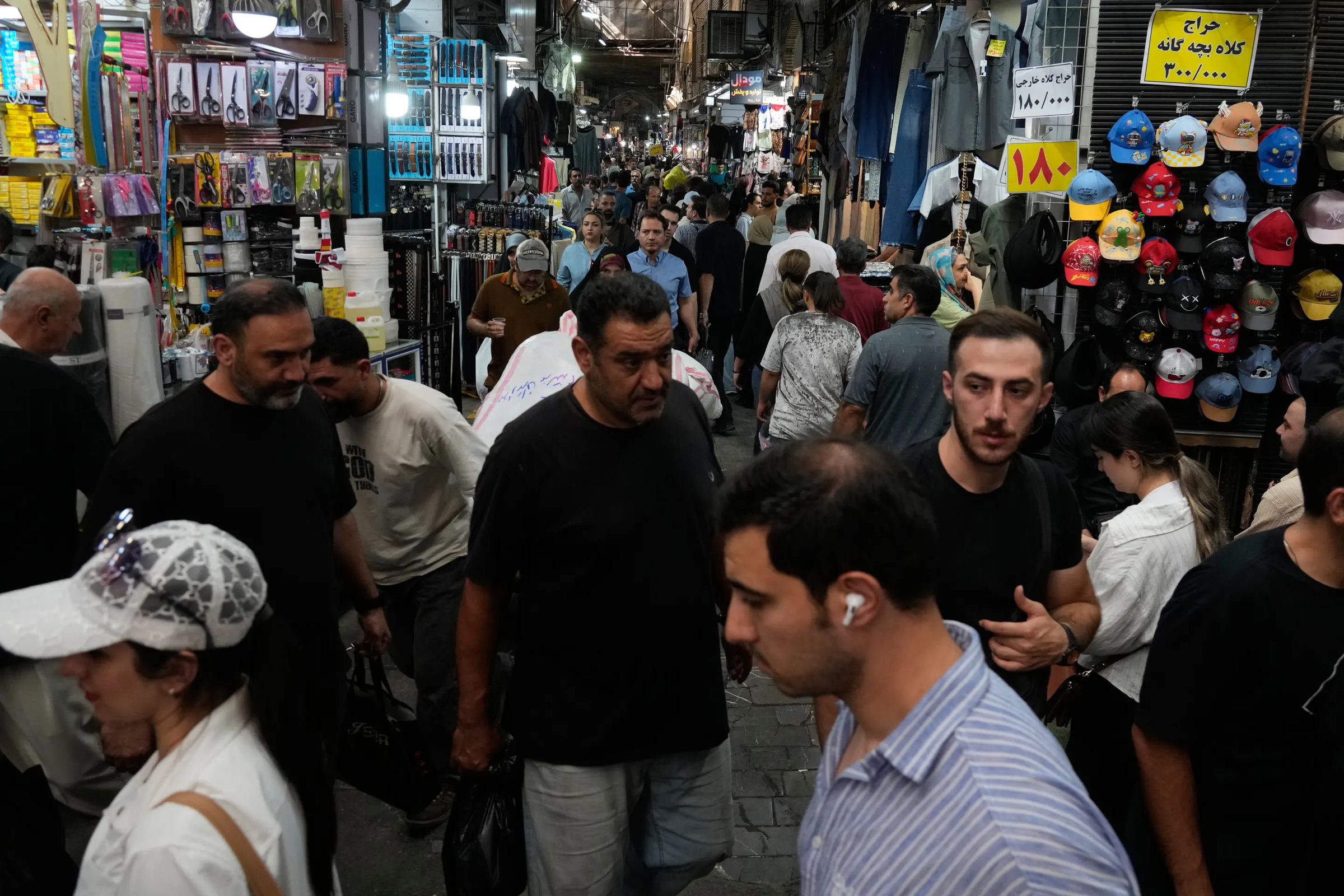 |
Shoppers at the Grand Bazaar in Tehran on 8/8. Photo: AP
Mohammad Farzanegan, a Professor of Middle East Economics at the University of Marburg, Germany, believes Iranian consumers face genuine hardship, but have no intention of protesting, believing it would not benefit themselves or their families.
Iranian President Masoud Pezeshkian recognizes the difficult economic situation and has expressed support for a negotiated solution. "What concerns us is the livelihood of the people, and we will do everything possible to resolve it," he stated last week.
However, the most influential force in Iran remains the Islamic Revolutionary Guard Corps (IRGC). This month, Iran's Supreme Leader Ayatollah Mojtaba Khamenei appointed a former IRGC commander to head the Supreme National Security Council, a move indicating his preference for a hardline approach. According to AP, hardliners believe Tehran can withstand economic pressure longer than its adversaries.
Meanwhile, taxi driver Karimi hopes Iranian leaders will act soon to alleviate the financial pressure he and many others endure. "People cannot continue living like this. We are simply breathing, existing, and just trying to get by," he said.
Phien An (according to AP)