On 21/11, Japan's cabinet approved a 135,4 billion USD spending package, significantly larger than pre-pandemic stimulus efforts. The package aims to support citizens grappling with rising living costs through measures such as energy cost subsidies and gasoline tax reductions.
Specific allocations include 400 billion yen (2,6 billion USD) for a one-time payment of 20,000 yen (approximately 130 USD) per child. Additionally, each citizen will receive rice or shopping vouchers valued at 3,000 yen (about 20 USD).
Japan, the world's second-largest economy, experienced a 1,8% GDP contraction in Q3. Last month, its core inflation reached 3%, exceeding the Central Bank's target of around 2%. While exports to the US saw a decline for seven consecutive months, exports to other markets grew by 3,7%.
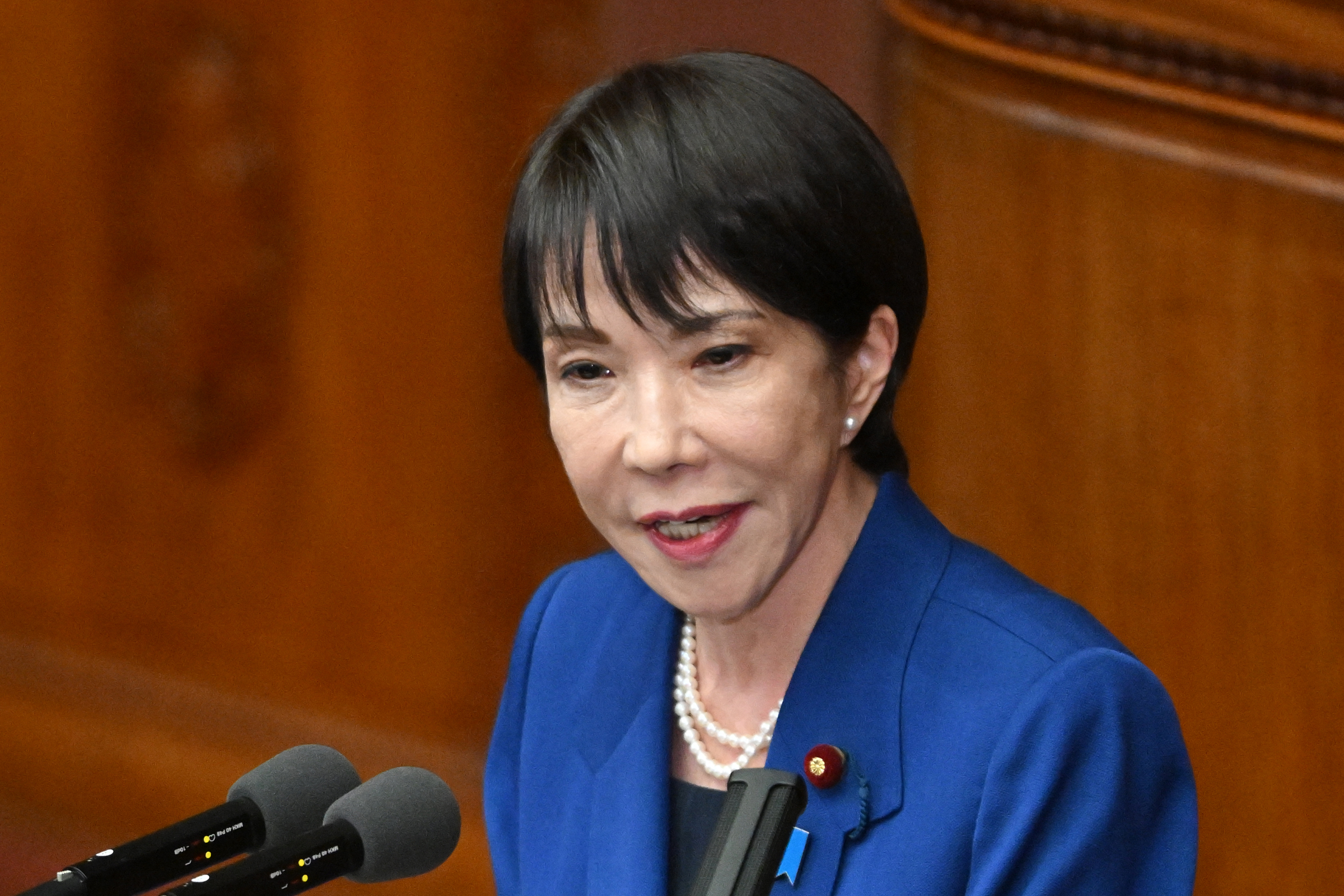 |
Japanese Prime Minister Sanae Takaichi in Tokyo on 24/10. Photo: AFP
The Cabinet Office projects the stimulus package will add 24,000 billion yen (155 billion USD) to GDP, translating to an annual increase of 1,4 percentage points over the next three years. It also anticipates inflation will drop by an average of 0,7 percentage points in Q1/2026. Prime Minister Sanae Takaichi remarked that the package quickly delivers on her post-election promises.
She asserted that prudent spending would transform anxiety into hope and foster a robust economy. "Our immediate task is to enhance national strength through expanded, rational spending, while avoiding damage from excessively tight policies," she stated.
For the stimulus package to be implemented, Takaichi's government must secure parliamentary approval for a supplementary budget before year-end. This presents a significant hurdle, as her ruling coalition lacks a majority in both the Upper and Lower Houses.
Opposition lawmakers and experts express skepticism regarding the package's effectiveness. They contend that reducing inflation through energy subsidies offers only temporary relief, while increased demand from other stimulus measures could potentially drive prices upward.
Dutch investment bank ING anticipates significant Japanese GDP growth in the first half of 2026 if the spending package receives parliamentary approval. Consequently, the bank immediately revised its 2026 growth forecast for Japan from 0,7% to 1,4%.
Min Joo Kang, senior economist for South Korea and Japan at ING, commented, "While we need to continue monitoring the package's final structure, its substantial scale almost guarantees a boost to short-term growth."
ING predicts that energy subsidies will help keep overall inflation below 2% throughout next year. However, core inflation is expected to remain above 2% for an extended period, as the stimulus package fuels demand and exerts continued downward pressure on the yen.
Phien An (according to AP, ING)