Technology companies, renowned for innovation and a global footprint, are not immune to supply chain disruptions. DP World states in the technology edition of its 'Without Logistics' report series that logistics incidents are no longer rare occurrences but have become frequent, causing financial, operational, and reputational damage.
Based on a survey of shippers in the technology sector and external data sources, the report highlights the frequency and financial damage caused by logistics disruptions to the industry. Between 2022 and 2025, each supply chain incident costs businesses an average of one million USD, with one-half of companies experiencing operational shutdowns for over one month. The estimated industry-wide damage exceeds 16 billion USD annually.
Regarding reputation, 87% of technology shippers report an increase in customer complaints following logistics incidents; 66% admit to losing contracts or missing business opportunities. This significant impact has elevated disruption issues to senior leadership discussions over the past three years.
"Logistics is now on the board-level agenda – shaping resilience, customer experience, and long-term growth," stated Roby Choy, global senior vice president at DP World.
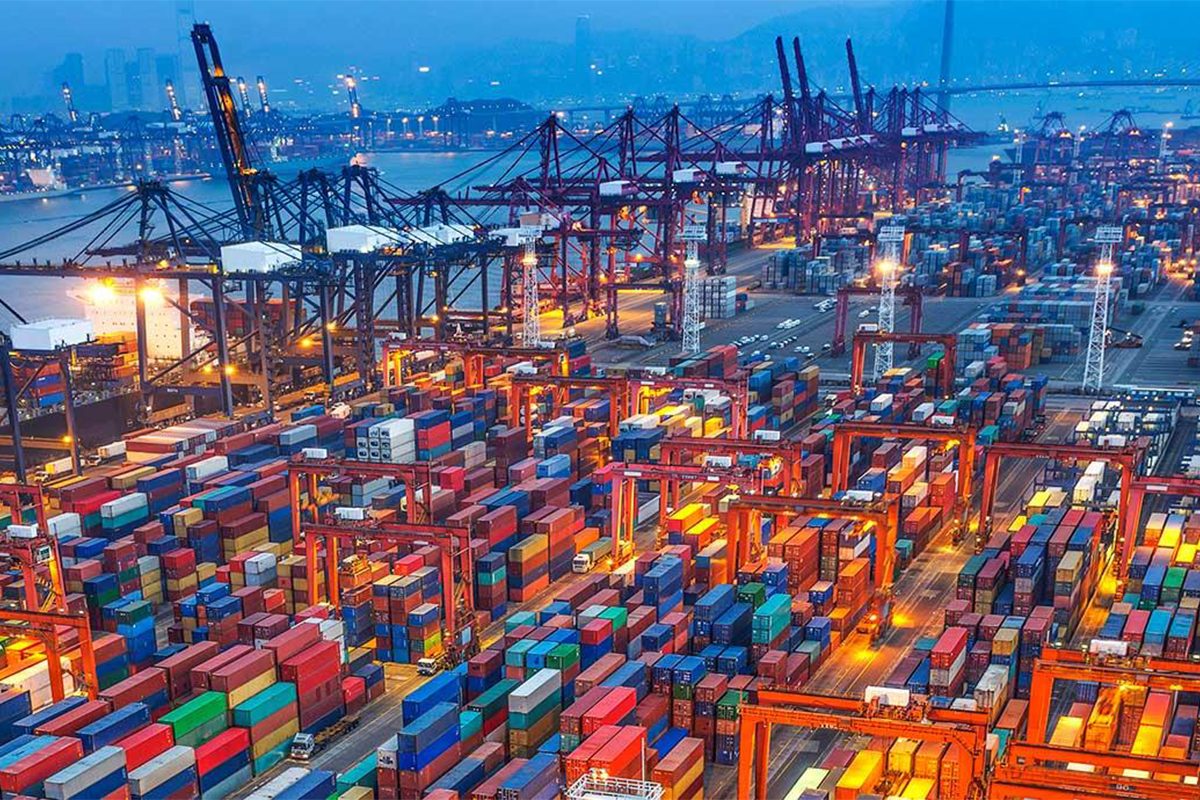 |
Technology businesses accelerate through smart and efficient logistics. *Photo: DP World* |
Technology leaders understand the vital role of logistics and remain "very optimistic" about their resilience. 92% believe they can expand effectively over the next three years, and 84% feel flexible enough to respond to unexpected challenges. However, DP World notes a gap between expectation and reality, as 41% of businesses take over one month to recover from major incidents.
"Efforts to bridge this gap require strategic change rather than just relying on optimism," DP World emphasizes. This shift is evident in technology companies' new priorities: optimizing supply chain costs and meeting customer expectations. These priorities must be implemented amidst global geopolitical and trade instability – factors businesses consider their greatest threat.
The report suggests that technology companies acting decisively, viewing logistics as a strategic driver rather than a defensive measure, will achieve greater resilience and protect their brand reputation.
Additionally, 82% of businesses anticipate increased pressure from investors and customers regarding ESG compliance over the next three years. Alongside ESG, geopolitical issues surrounding rare earth materials are prompting businesses to seek new suppliers, recycle, or adjust materials.
DP World indicates that technology companies are accelerating their adoption of technology to enhance resilience: 87% find the highest returns come from supply chain digitalization, and 82% plan to increase investment in automation and digitalization.
"Integrating logistics into strategic planning has become an essential requirement," the report concludes, emphasizing that logistics needs to be valued equally with financial management and market expansion to protect revenue and brand reputation amid global volatility.
DP World is a global logistics group headquartered in Dubai, operating in over 70 countries with a service ecosystem that includes seaports, transportation, digital trade, and integrated supply chains. The company aims to optimize the global flow of goods through innovation and technological solutions.
By Nhu Y (Source: Port Calls)