These insights were shared by experts at SME Forum 2026, themed "New Momentum for the Big Game," organized by VPBank and Newing on 20/3. At the forum, many business leaders shared practical experiences and discussed the importance of fostering management capabilities, offering lessons to help small and medium-sized enterprises (SMEs) escape the "low-cost trap" and build unique innovative value. Speakers' real-world insights painted a vivid, multifaceted picture of the business development journey.
Upholding trust during crises
Tan Sri Sir Jeffrey Cheah, Founder and Chairman of Sunway Group, stated that before becoming a diversified conglomerate with three listed companies and a total market capitalization of USD 20 billion, the business twice faced bankruptcy risks during the 1985 and 1997 crises. At that time, banks collectively demanded loan repayments. "I told them directly that immediate repayment was not possible, but I committed to fully repaying both principal and interest. Ultimately, we succeeded," he shared. According to him, these experiences reinforced the principle of always keeping promises, thereby maintaining trust with financial partners and stakeholders.
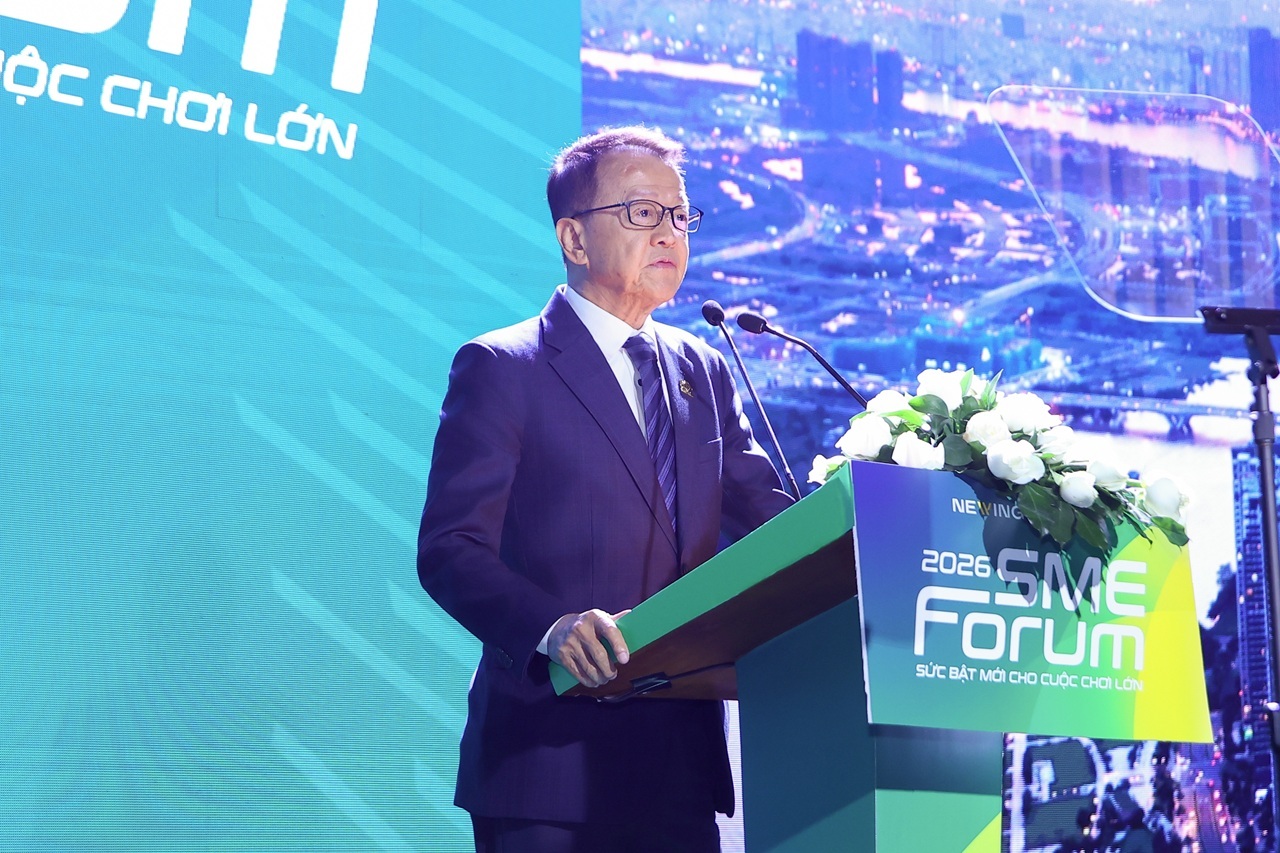 |
Tan Sri Sir Jeffrey Cheah emphasized the importance of "trust" in the business world. Photo: VPBank |
Transforming supply chains into profit drivers
Rajesh Achanta, former Vice President of APAC Supply Operations at P&G, asserted that supply chains must move beyond being merely an "executing arm" to become a driver of value, profit, and cash flow, thereby establishing a sustainable competitive advantage. He attributed P&G's success to five pillars: a broad product portfolio, superior quality to maintain pricing; optimized productivity; constructive technological innovation; and a flexible organizational model that prioritizes accountability. These principles were embodied in their "Supply Chain 3,0" model, yielding clear results: 98% product availability, saving USD 1,5 billion annually (equivalent to about 10% of profit), while maintaining 95% cash flow for reinvestment and increased dividends.
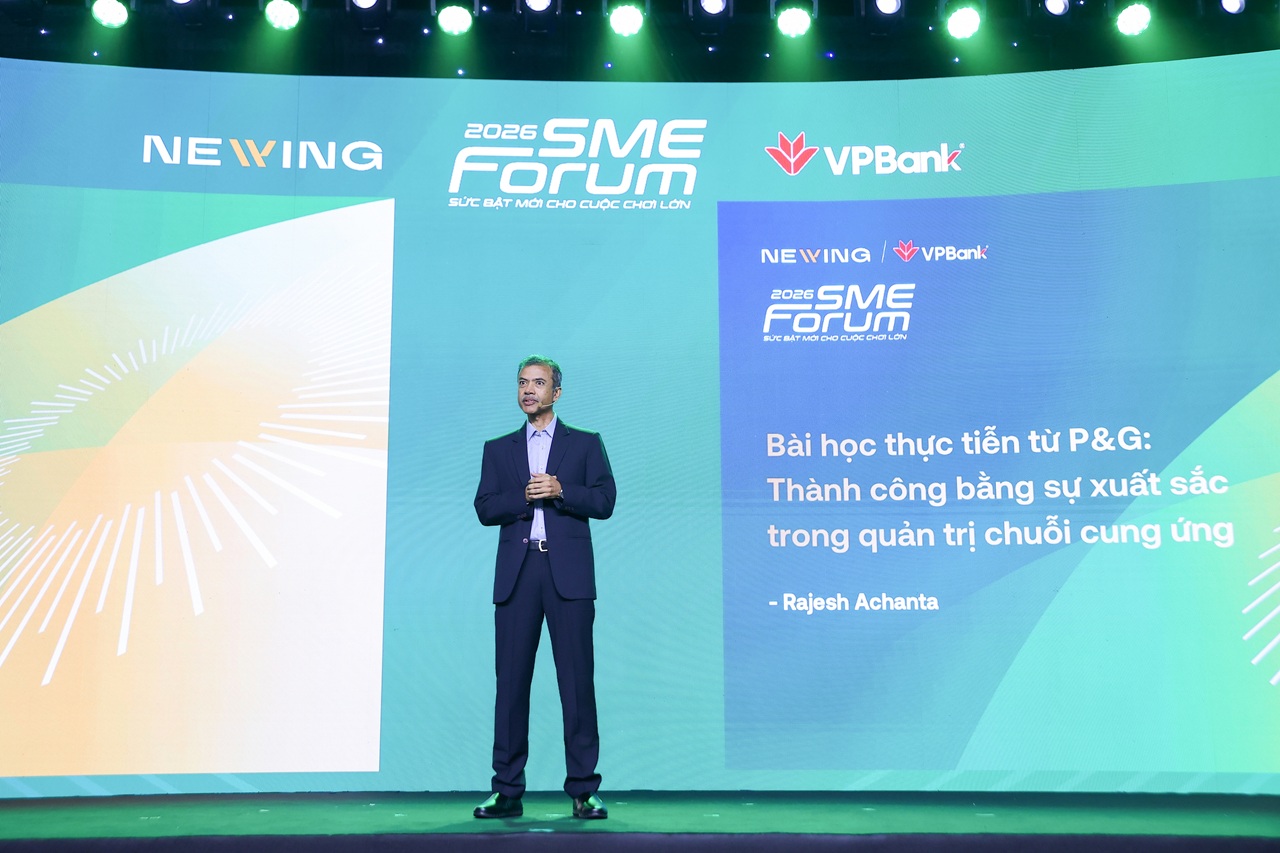 |
Rajesh Achanta believes that chasing trends without "tailoring" them to an operational model often leads to costly failures. Photo: VPBank |
He emphasized that modern supply chain managers need to think like executive leaders, possess a deep understanding of business, critically evaluate growth forecasts, and have strong influencing skills within the organization. However, he noted that many businesses still face a gap between awareness and execution. "98% of businesses say they need to diversify their supply sources, but only 28% actually do so. The situation is similar with AI, where only about 1% truly implement it," he stated. According to him, chasing trends without "tailoring" them to an operational model often leads to costly failures. "Leaders need to understand the suitability of their own supply chain, rather than adopting technology simply because it's a trend," Rajesh stressed.
Inheriting and innovating family business legacies
A notable topic at the Forum was the challenge of succession in family businesses, where generations must balance kinship with professional management. Successor leaders highlighted that the transition process demands transparent communication, discipline, and an innovative mindset. Vu Le Quyen, CEO of Biti's, shared that the biggest pressure for a successor is to step out of the shadow of the previous generation. The company transitioned from a culture of "fear-based discipline" to a "happy enterprise," founded on clear communication and engagement.
 |
From left to right: Nguyen Thi Minh Giang - CEO & Founder of Newing, Vu Hung Son - Chairman of Bao Tin Group; Pierre Pang - CEO of Mamee-Double Decker Group, and Vu Le Quyen - CEO of Biti's participating in the event. Photo: VPBank |
From another perspective, Vu Hung Son, Vice Chairman of Bao Tin, stressed the need to separate ownership from operations, establish transparent standards for employees to oversee leadership, and ensure the preceding generation genuinely empowers their successors. Meanwhile, Pierre Pang Hee Ta (Mamee) argued that a legacy is only an advantage when coupled with innovation. From a 55-year-old business, Mamee shifted towards healthy products, expanded globally, and invested in food startups to increase value. Despite different approaches, a common thread is that successor generations aim for sustainable development based on clear plans, disciplined management, and transparent operations.
Speakers noted that SME Forum 2026 provided insights and knowledge, while also highlighting the "execution gap" in modern business management.
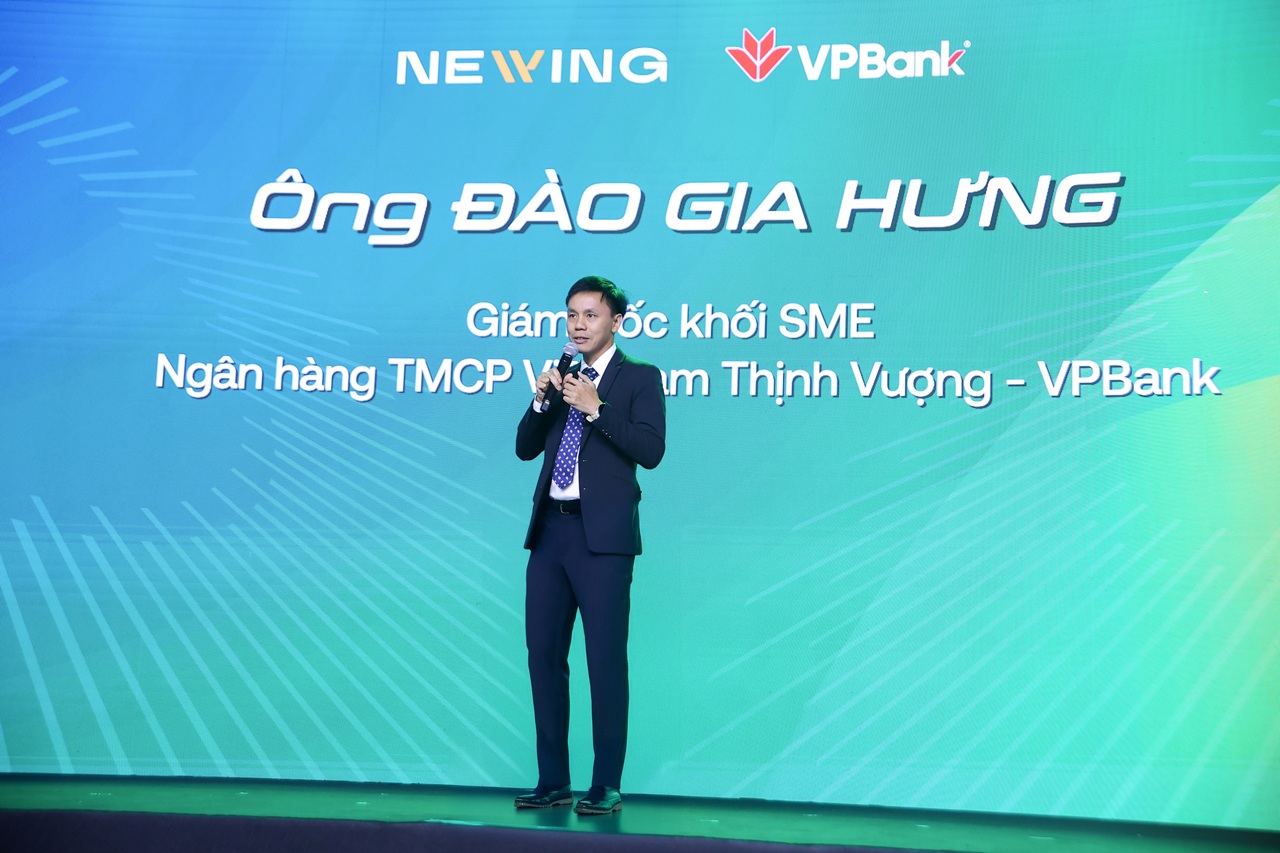 |
Dao Gia Hung, Director of VPBank SME Division, spoke at the event. Photo: VPBank |
"Through our journey with over 200,000 businesses, we've observed a clear point: companies that achieve long-term success don't rely solely on market opportunities. They must possess a solid operational foundation, systematic management capabilities, and continuous adaptability to change. Without these elements, rapid growth can sometimes become a risk," Dao Gia Hung, Director of VPBank SME Division, stated at the event. Through the event, the bank hopes that, in addition to providing comprehensive financial solutions, it can bring knowledge, experience, and practical operational models closer to businesses, enabling them to develop sustainably and be ready for larger arenas.
(Source: VPBank)