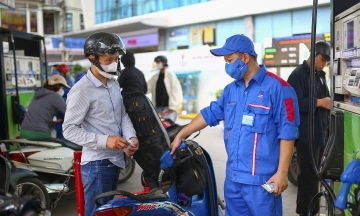
In the draft amendment to Circular 50, currently open for public comment, the Ministry of Industry and Trade proposes accelerating the roadmap for blending biofuel and traditional fuels. This initiative aims to transition to E10 gasoline, a blend of 10% ethanol and mineral gasoline, for widespread sale across the nation starting 30/4. This timeline marks a acceleration of mot month compared to the previous schedule, while E5 RON92 gasoline will continue to be used until the end of 2030.
The early transition to E10 gasoline is a strategic move to reduce import dependence, stabilize the market, and enhance national energy self-sufficiency. This requirement is particularly pressing given the complex developments in the global energy market, exacerbated by the Middle East conflict.
Implementing E10 gasoline nationwide will significantly increase ethanol demand. With an average monthly consumption of approximately 1 million m3 once E10 gasoline is widely sold, the ethanol needed for blending is estimated at 92,000-110,000 m3. However, the domestic supply capacity from Vietnam's biofuel production plants is currently insufficient. Even if all 6 plants were fully operational, they could only meet nearly one-half of the E100 demand, providing 44,000 m3 a month.
Of the 6 domestic biofuel production plants, 4 are currently operational: Ethanol Dong Nai, Quang Nam, Dak To, and Ethanol Dung Quat, collectively supplying about 27,000 m3 of E100 each month. The remaining hai plants, Ethanol Binh Phuoc and Dak Nong, are undergoing restructuring and technical upgrades to resume production. Consequently, to ensure a sufficient supply of blending material, Vietnam will need to import approximately 75,000 m3 of ethanol each month.
As of 31/3, PVOIL had signed contracts to purchase 19,000 m3 of E100, Petrolimex 40,000 m3, and Anh Phat 200 m3. The remaining key enterprises are monitoring price developments and awaiting blending station licenses before signing contracts. By mid-April, the total E100 volume (domestically produced and imported) reached 84,200 m3. However, an additional 10,000-15,000 m3 of E100 is still needed to fully deploy E5 and E10 blended gasoline nationwide from April. For subsequent months, enterprises must plan to import an average of 75,000 m3 each month.
Vietnam's blending infrastructure includes 12 key traders investing in blending facilities. Among these, ba enterprises already possess licenses, with a combined capacity of 700,000 m3 a month. Additionally, the Binh Son refinery has the capability to blend E5 and E10 as required. The Ministry of Industry and Trade stated that domestic fuel supply is sufficient until the end of April. It requires key enterprises and distributors to diversify supply sources and plan for fuel imports in May.
Currently, each liter of RON 95-III gasoline costs 23,540 dong, and diesel costs 32,960 dong, following the price adjustment on the afternoon of 9/4.
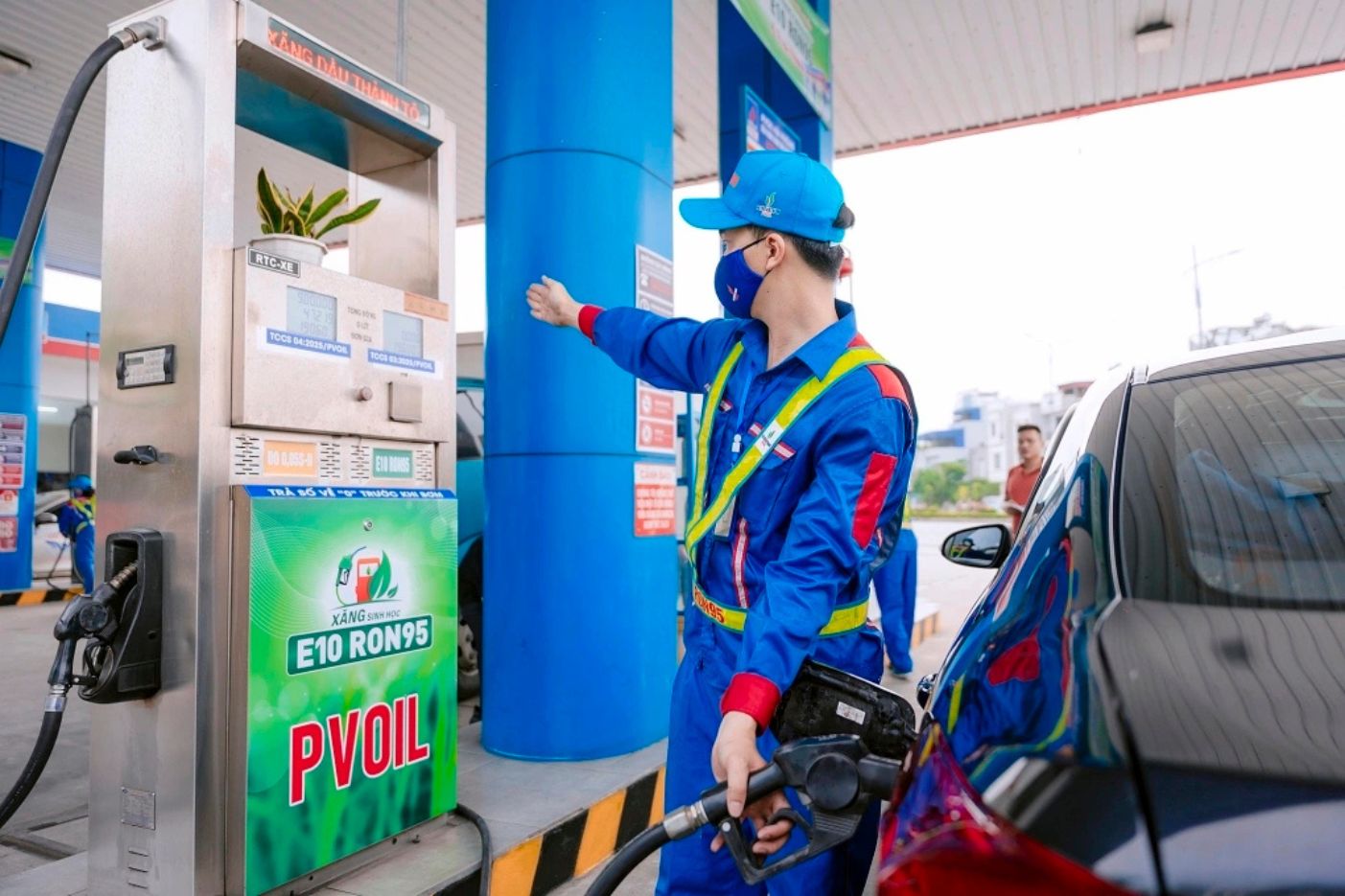 |
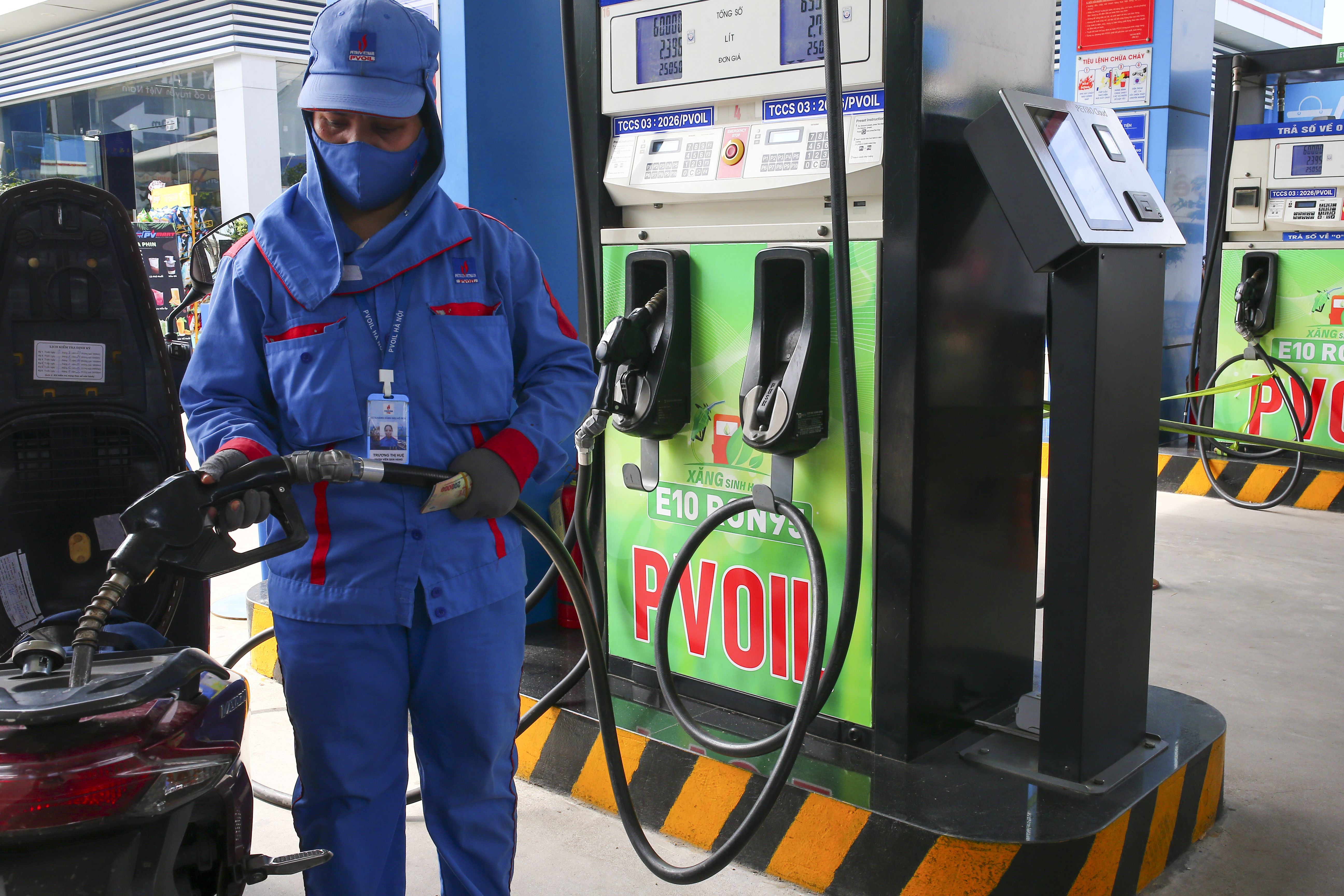
E10 gasoline is sold experimentally in Hanoi. Photo: Xuan Hai |
Phuong Dung