The Ministry of Industry and Trade has proposed including regulations for calculating retail electricity prices based on peak, off-peak, and normal hours (TOU) for residential customers. This proposal is part of the draft revised Electricity Law. At a press conference on 7/7, Bui Quoc Hung, Deputy Director General of the Electricity Regulatory Authority (Ministry of Industry and Trade), clarified that implementing this tariff would require meeting multiple conditions simultaneously.
Currently, residential electricity systems primarily use meters that measure consumption based on a progressive tariff. Hung explained that implementing time-of-use pricing would necessitate significant upgrades, including replacing existing meters with models capable of measuring across three time frames (peak, off-peak, normal) and completing the necessary transmission infrastructure and technical requirements. The Ministry of Industry and Trade also needs to assess the policy's impact on citizens and society before deployment. Hung emphasized, "This is currently just a proposed mechanism within the draft law. The implementation timeline still requires careful calculation and balancing, considering infrastructure readiness and impact assessments."
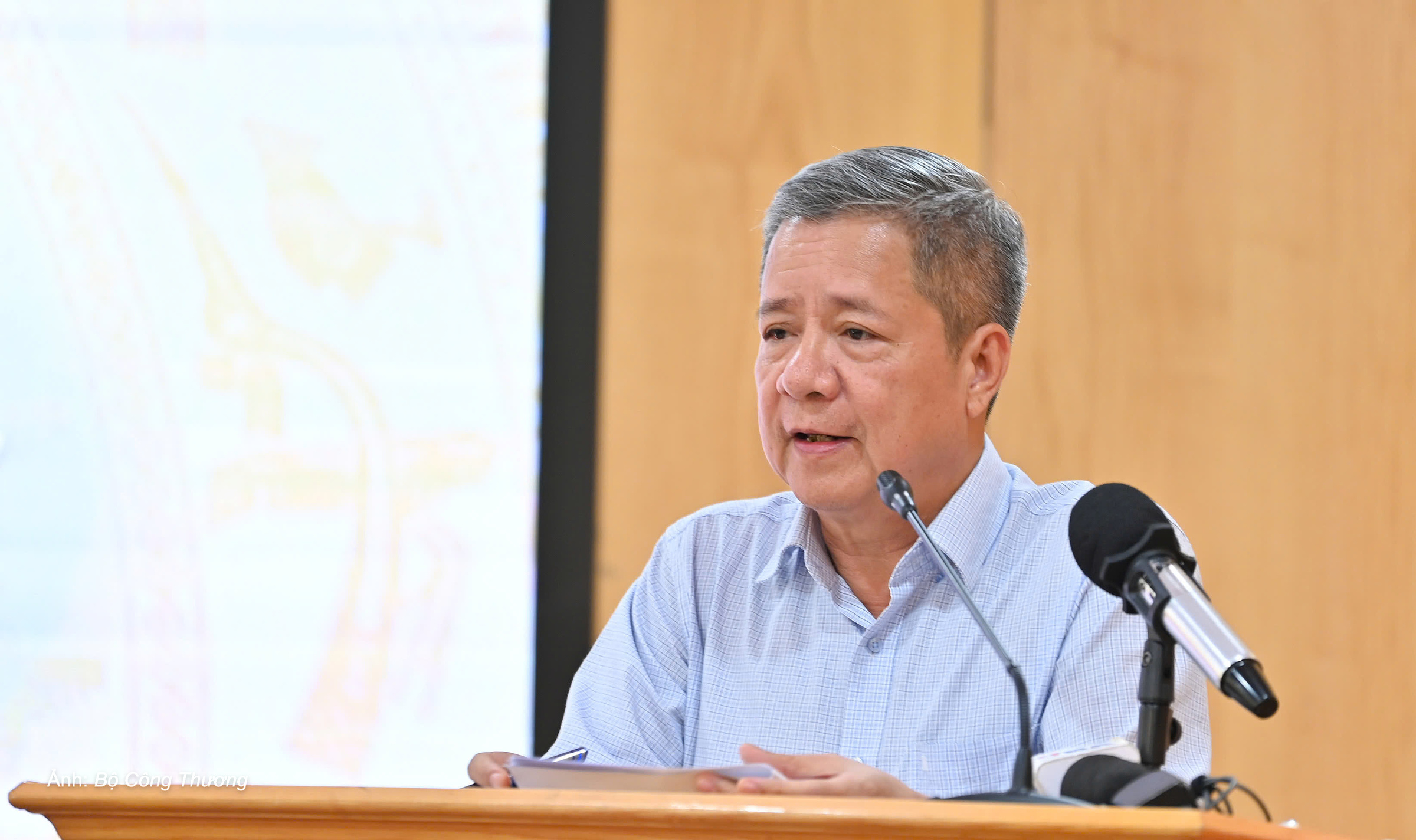 |
Bui Quoc Hung, Deputy Director General of the Electricity Regulatory Authority, speaking at the press conference on 7/7. *Photo: Ministry of Industry and Trade*
Time-of-use electricity pricing is currently applied mainly to manufacturing and business customers, affecting approximately 1,25 million meters. In contrast, households continue to be billed using a progressive residential retail tariff. The Ministry of Industry and Trade views this progressive mechanism as suitable for developing countries like Vietnam, where electricity demand grows rapidly, exceeding 10% annually, and energy consumption is high. This tariff structure encourages energy conservation, supports low-income households, and aligns with people's ability to pay.
The electricity system's operation has seen recent shifts. A Ministry of Industry and Trade representative noted that peak hours, which previously spanned midday and evening, now concentrate solely in the evening. According to Hung, residential electricity consumption constitutes the second-largest share of national electricity use, trailing only industrial customers. Therefore, during the revision of the Electricity Law, the Ministry is exploring time-of-use pricing to incentivize large electricity-consuming households to shift some demand to off-peak hours, thereby easing pressure on the grid during peak times.
The Ministry previously introduced new electricity usage time frames for customers already on time-of-use pricing. These adjustments concentrated peak hours in the evening, from 17h30 to 22h30, better reflecting the grid's actual demand patterns. At the press conference, a Ministry of Industry and Trade representative also highlighted that shifting peak hours to the evening would benefit some businesses that primarily operate during the day by eliminating midday peak electricity charges. The Ministry encourages businesses capable of shifting production to off-peak hours to reduce costs and system strain. Conversely, industries with high evening electricity consumption will face increased costs if they continue production during peak hours.
Phuong Dung