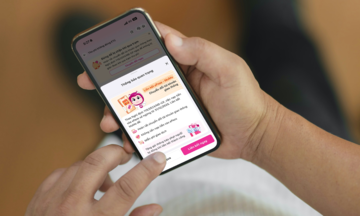
On 31/12, the National Competition Commission (NCC) under the Ministry of Industry and Trade announced it had received a request from VNG Company to postpone a meeting regarding Zalo's collection and use of user information, and the provision of services on its platform.
The meeting was scheduled for today, but VNG stated that the information and documents involved multiple operational areas, requiring more preparation time. Consequently, the company could not finalize preparations by 31/12 and is also engaging with other regulatory bodies.
To protect consumer rights, the NCC has instructed VNG to review and adjust how the Zalo service agreement is implemented. The application must not compel users to consent to the company collecting, storing, and using their information to continue using the service. Zalo must ensure users have the option to agree or disagree with the terms.
VNG is also required to review all current and proposed contracts and transaction conditions for users. This ensures that the content complies with consumer protection regulations before actual implementation.
The regulator also urged VNG to implement measures to protect information and prevent its transfer to third parties for users who have accepted the newly updated Zalo service agreement.
The NCC will continue to work with VNG after receiving the requested information and documents to safeguard the legitimate rights and interests of consumers in the digital space.
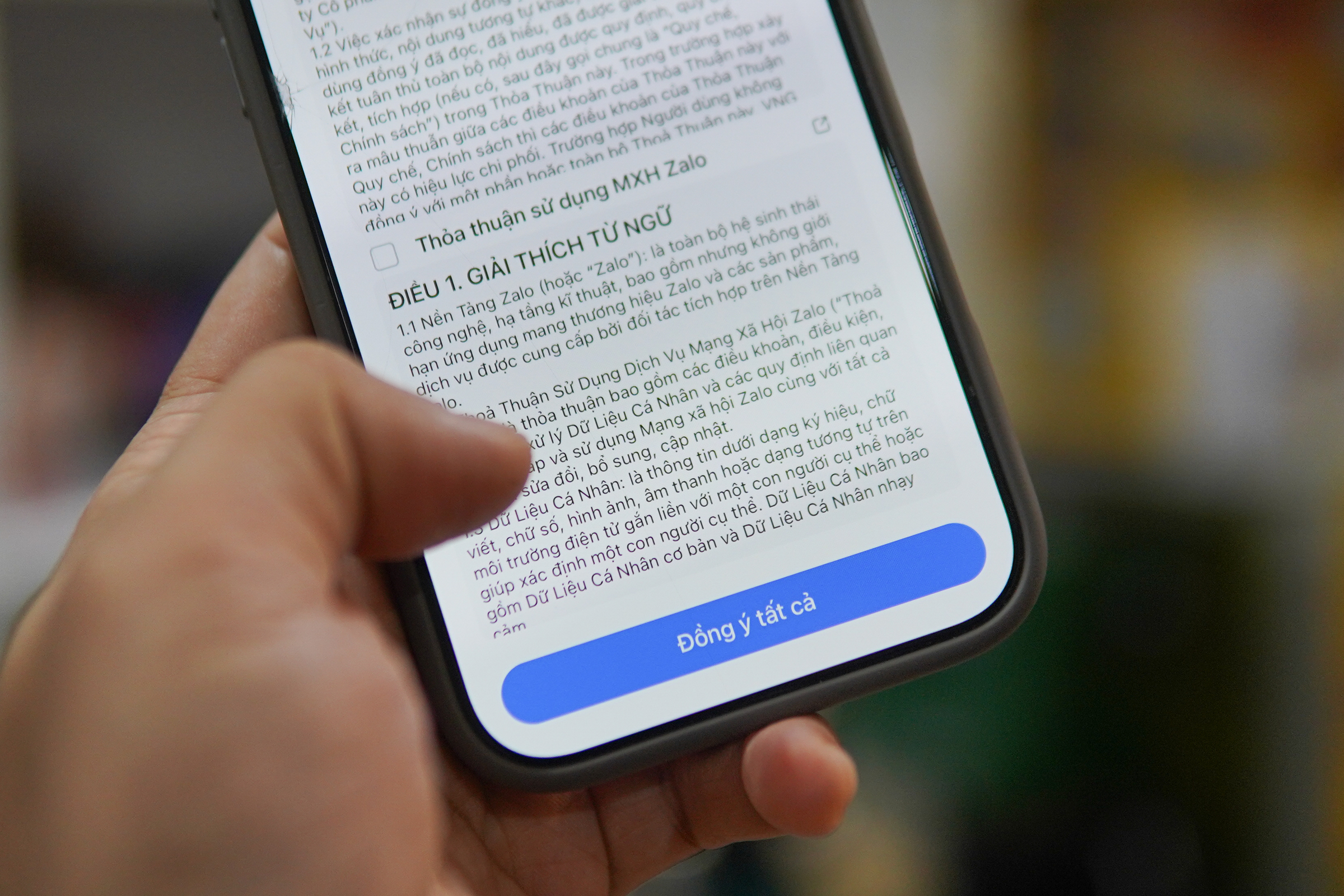 |
Zalo application's updated terms of use on mobile, December 2025. Anh: Luu Quy |
Previously, Zalo, Vietnam's most popular messaging platform with over 80 million users, introduced new service terms on its mobile application. These terms included the Zalo service agreement (16 clauses) and the Zalo social network agreement (21 clauses). Users could either click "agree all" or individually decline services. If users did not agree, their accounts would be deleted.
Zalo's action quickly became a topic of discussion across various Facebook groups, primarily concerning the update method that made users feel passive.
A Zalo representative has not yet commented. However, on its support website, the platform explained that updating terms "is a common practice for all applications and technology platforms globally to ensure compliance with legal regulations and provide clear information to users about changes in service provision".
In reality, updating terms is not new for Zalo. In previous versions, the platform also stated its "right to amend or supplement any or all content of the agreement at any time without prior notice or user consent".
For years, Zalo made adjustments silently. For example, in 2024, it added content related to basic personal data and sensitive personal data after Decree 13 on Personal Data Protection took effect.
The key difference this time lies in some new concepts, clauses, and particularly the implementation method. Instead of silently updating as before, the platform actively displayed an in-app notification, requiring users to accept to continue using the service.
Phuong Dung