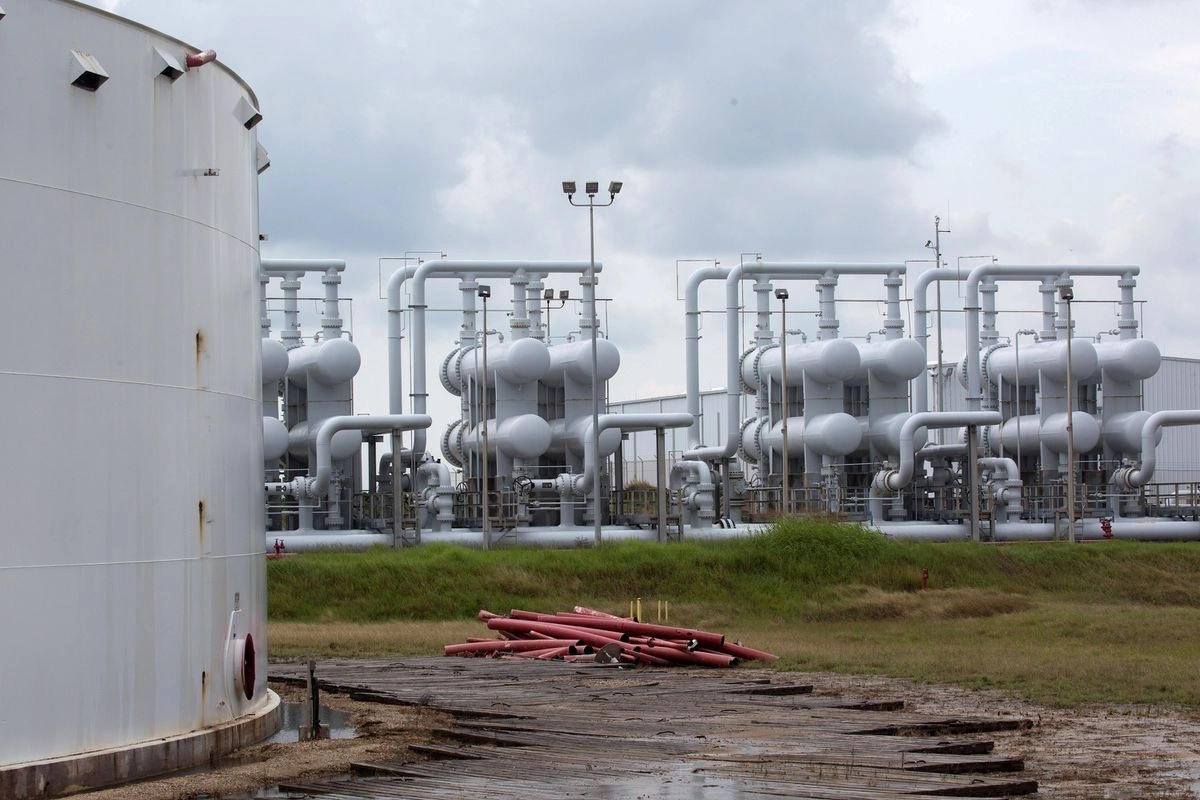
On october 1, sources close to the matter informed Reuters that the administration of US President Donald Trump urged France and Germany to use their emergency diesel reserves to ease the global surge in fuel prices. The US indicated that failure to do so could lead to a ban on US diesel exports.
This warning increases pressure on Europe, as President Trump considers an export ban to cool domestic fuel prices ahead of the mid-term elections. Last week, the average diesel price in the US reached 6,53 USD per gallon (1,73 USD per liter), nearly doubling compared to last year.
US-Europe relations were already strained last year due to Trump's import tariffs and disagreements over military spending.
Releasing oil reserves would place the EU in a dilemma. The bloc must balance the need to lower domestic fuel prices with maintaining high reserves to guard against a fuel crisis, especially if the US and Iran fail to reach a peace agreement. A spokesperson for the European Commission (EC) stated that the bloc's energy officials meet today to discuss the situation.
Previously, two EU officials disclosed that the EC, Germany, France, Italy, the UK, and Ireland discussed the possibility of releasing diesel reserves on october 1. Germany's Economy Ministry stated that the International Energy Agency (IEA) has not yet requested the country to release oil reserves.
The US previously asserted that the UK and France had not fully met their commitments regarding the release of reserves and refined products. A US official stated, "Europe benefits from coordinating with the US to increase refined product supply and lower consumer prices."
Another European source indicated that the US requested the EU release 120 million barrels of diesel over the next six months.
The EU is increasingly dependent on US fuel after banning imports from Russia due to the conflict in Ukraine. Middle East conflicts further disrupt regional supplies.
On Fox News on october 1, US Energy Secretary Chris Wright expressed confidence that Europe could lower fuel prices by releasing diesel reserves. He stated, "This is a time for coordination, as we are entering harvest season and will soon need winter heating oil. We need more diesel in the market, and that supply is already available."
US Treasury Secretary Scott Bessent also announced that Washington released 172 million barrels of crude oil under the agreement among IEA members in march. He noted, "The US has completed its part and awaits similar action from other allies."
Ha Thu (according to Reuters)