Prime Minister Le Minh Hung recently urged a significant overhaul of regulations governing business operations, particularly for small and medium enterprises (SMEs). Speaking at a 10/9 meeting with the Ministry of Finance and other ministries, the Prime Minister emphasized the critical need to simplify and streamline procedures for both market entry and exit, especially for dissolution and bankruptcy processes. His directive aims to avoid scenarios where "entering the market is already difficult, but leaving it is even harder", a sentiment he believes hinders the development of the SME sector.
The Prime Minister agreed to a strategic shift in mindset, moving from merely 'supporting' SMEs to actively 'developing' them. This requires policies that are not only feasible but also consistent with the Enterprise Law, ensuring they facilitate businesses throughout their entire lifecycle. He specifically highlighted that business registration procedures should be as straightforward as possible.
This directive comes as the tax sector has been implementing a tax code cleanup campaign since July, aimed at standardizing data for inactive businesses. In practice, terminating business operations often involves numerous procedures related to business registration, taxes, financial obligations, and bankruptcy. For companies operating for many years, resolving outstanding obligations before completing market exit procedures can become a prolonged and complex process.
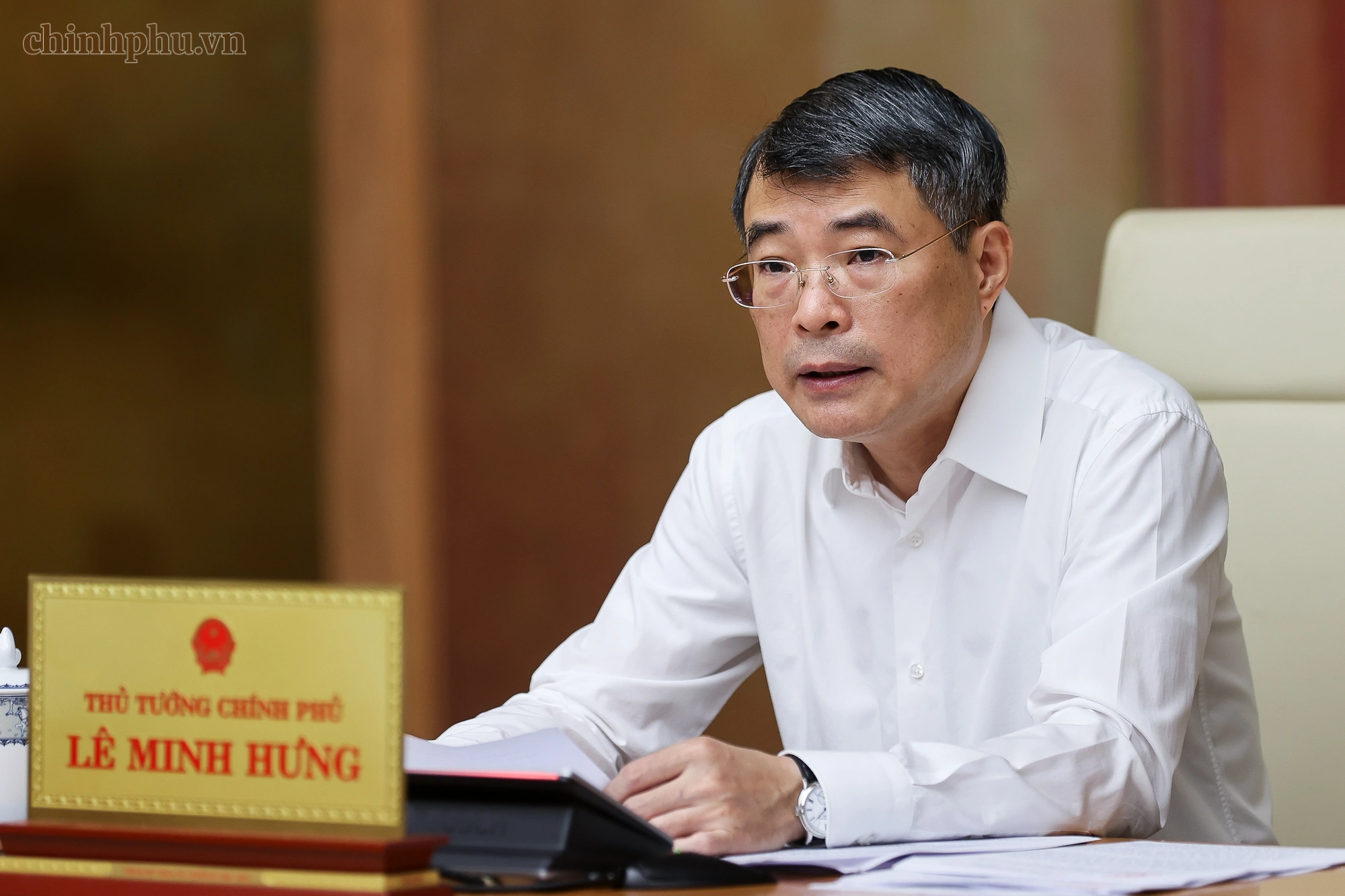 |
Prime Minister Le Minh Hung speaking at a meeting with ministries and sectors on the draft Law on Small and Medium Enterprise Development, 10/9. Photo: VGP |
Prime Minister Le Minh Hung speaking at a meeting with ministries and sectors on the draft Law on Small and Medium Enterprise Development, 10/9. Photo: VGP
During the meeting, the Prime Minister also instructed management agencies to develop specific policies to encourage business households to convert and grow into a "one-person enterprise" model. He called for a significant breakthrough in the method for declaring and paying corporate income tax. Furthermore, financial and credit support policies, market expansion initiatives, participation in value chains, and public investment projects for SMEs also need to be clearly defined and implemented.
More broadly, Prime Minister Le Minh Hung mandated that the ongoing amendments to various laws must address the root causes of existing bottlenecks in practice. This includes reducing administrative procedures and intermediate layers, thereby limiting the "ask-give" mechanism. Regulations must be clear and transparent to prevent differing interpretations and applications.
The government leader also stressed the importance of limiting the issuance of numerous guiding documents. This measure aims to prevent situations where a single procedure necessitates compliance with overlapping processes, which ultimately increases costs and compliance time for citizens and businesses.
Beyond the Law on Small and Medium Enterprise Development, the meeting also reviewed several other significant legislative proposals. These included the draft Law amending and supplementing a number of articles of the Investment Law, the amended Bidding Law, the Consolidated State Budget Law, and discussions on issues related to land finance and land prices.
Phuong Dung