According to its audited financial report, Sai Gon Jewelry Company Limited (SJC) recorded revenue of nearly 14,031 billion dong. This figure represents a decrease of more than 56% compared to 2024 and is the lowest in the last 10 years.
However, the cost of goods sold decreased more sharply, falling 58%. This led to a 6% improvement in gross profit, reaching nearly 742 billion dong. The gross profit margin was 5,29%.
The company's financial income exceeded 4 billion dong, an 11% improvement year-on-year, primarily from dividends and distributed profits.
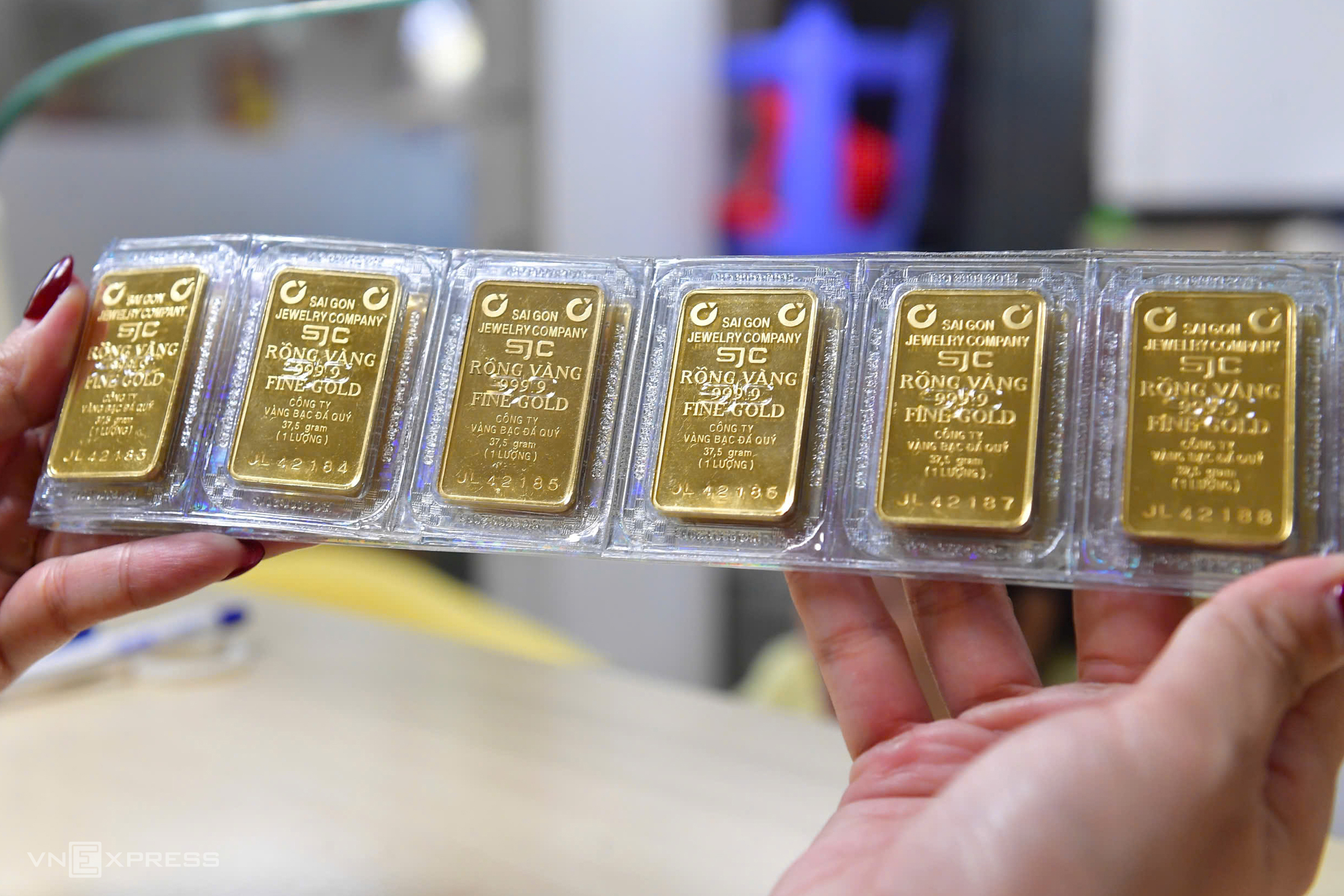 |
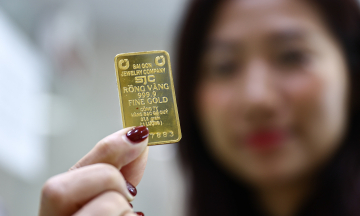
A batch of SJC gold bars at the headquarters on Nguyen Thi Minh Khai street, TP HCM. Photo: Thanh Tung |
Operating expenses generally trended downwards last year. Selling expenses fell 36%, while general and administrative expenses were 7% lower year-on-year.
Financial expenses alone amounted to more than 1,3 billion dong, whereas in the same period last year, the company received a refund of over 27 billion dong due to a reduction in investment loss provisions. SJC spent over 1 billion dong on interest payments last year. The company currently has a 45,5 billion dong loan with MB to support the production, processing, and trading of jewelry gold, silver, gemstones, and fine art jewelry.
SJC reported an after-tax profit exceeding 425,5 billion dong, a 9% increase year-on-year. On average, the company earned over one billion dong in profit daily.
This marks a record profit since the company began disclosing information in 2014. This figure significantly surpassed the after-tax profit target of nearly 89 billion dong, which the company's leadership presented to the People's Committee of Ho Chi Minh City (UBND TP HCM) – the state agency representing 100% ownership.
By the end of last year, the company's total assets exceeded 2,500 billion dong, an improvement of nearly 14%. Over 2,000 billion dong of this was inventory, primarily goods. This period, SJC did not provision for inventory depreciation, unlike in 2024.
Liabilities increased by nearly 16% to over 576 billion dong. A significant portion comprised taxes and state remittances (over 278 billion dong), and funds for the science and technology development fund (over 125 billion dong).
SJC holds the largest market share for gold bars nationwide and has contributed tens of billions of dong to the state budget for many consecutive years. The company belongs to a group of state-owned enterprises that will hold 50% or less of charter capital, or no ownership, after equitization.
Previously, the State Bank of Vietnam held a monopoly on gold bar production. SJC was designated as the national gold bar brand. However, Decree 232, effective from 10/2025, abolished this mechanism. Entities can now produce gold bars if they meet specified conditions. The State Bank of Vietnam will license the import of raw gold for banks and businesses.
Tat Dat