Indian Prime Minister Narendra Modi urged citizens to reduce their reliance on gasoline and diesel, and to curb non-essential spending, to bolster the nation's economy. Speaking at an event in Hyderabad on 10/5, Modi called for increased use of public transport, carpooling, and remote work. He also appealed to the public to stop buying gold, limit overseas weddings, and reduce international travel to conserve foreign exchange.
"Fuel is becoming very expensive worldwide," Modi stated. "It is the responsibility of all of us to save foreign currency used to buy fuel by reducing consumption. I also encourage everyone to stop buying gold for weddings for one year." These measures come as India's economy faces significant challenges. The energy crisis, exacerbated by the Middle East conflict, is pressuring the country's foreign exchange reserves and its rupee, India Today explained.
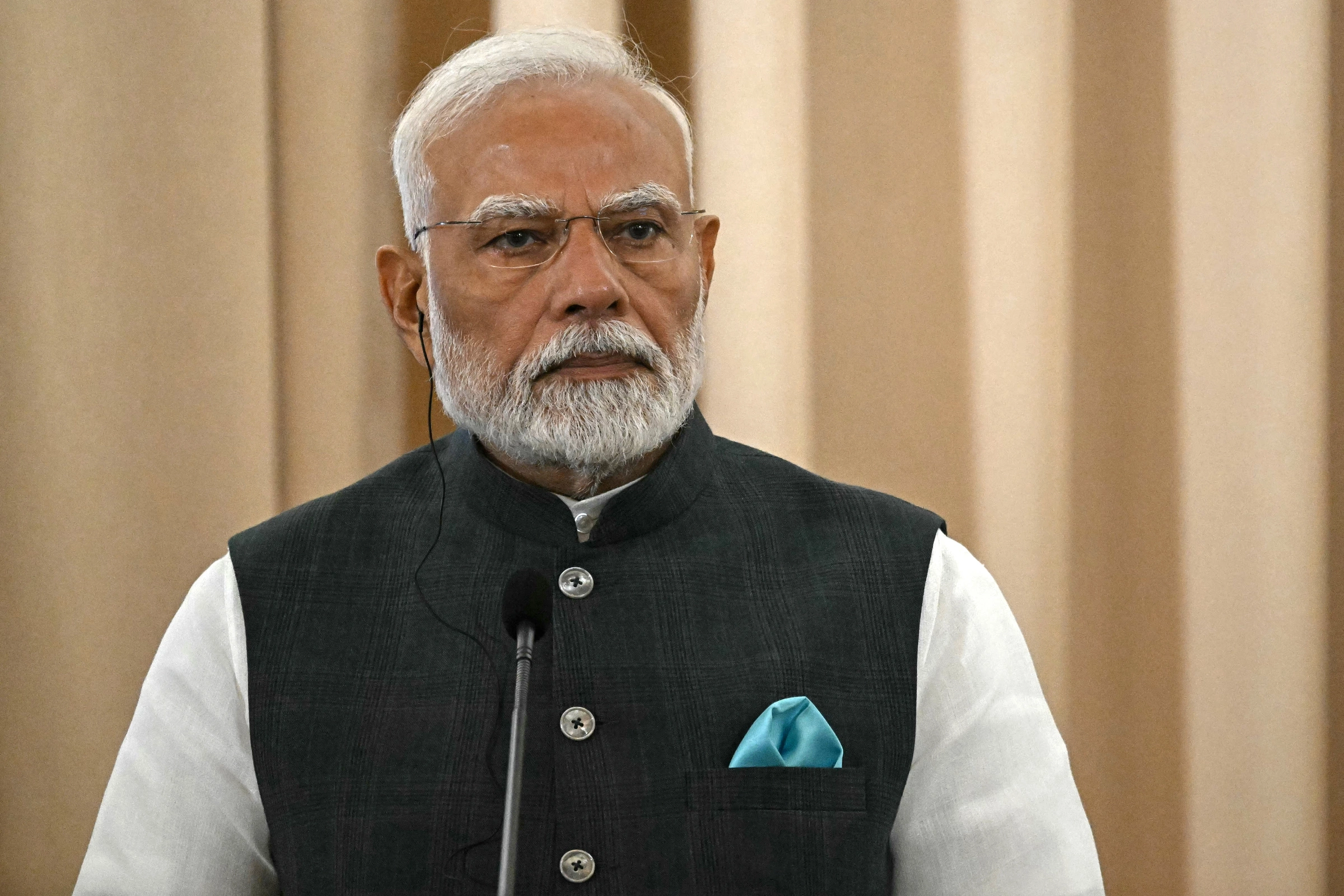 |
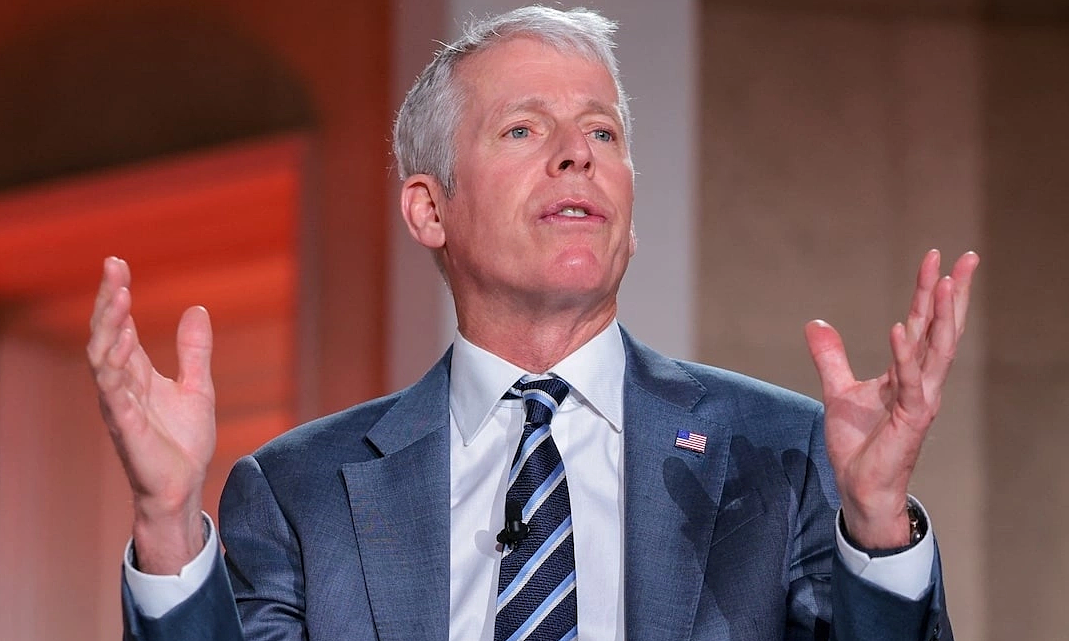
Indian Prime Minister Narendra Modi in Bangkok, Thailand on 3/4. *Photo: AFP*
Global crude oil prices have surged by approximately 60% since the Middle East conflict began in late February. This increase is largely due to Iran's blockade of the Strait of Hormuz, a waterway responsible for transporting 20% of the world's crude oil. This has caused fuel costs to skyrocket for import-dependent nations like India. While India has not yet raised fuel prices, domestic oil companies are expected to make adjustments in the coming days.
India, a South Asian nation, imports nearly 85% of its domestic crude oil and is one of the world's largest gold importers. Akshat Garg, Director of Research and Products at Choice Wealth Private, told India Today that India's gold imports for fiscal year 2025 are projected to be around 58-60 billion USD, among the highest to date. Increased demand for USD for these imports puts pressure on the Indian rupee.
While oil is considered an essential commodity for transportation, energy, and industry, imported gold is often seen as a non-essential expenditure or for savings. Garg noted, "Gold currently accounts for about 8-10% of India's merchandise imports, contributing nearly 20% of the country's trade deficit." Indian officials have previously implemented measures to reduce gold imports during economic fluctuations, including increasing taxes, restricting imports, and promoting alternative assets like government-issued sovereign gold bonds.
Following Modi's statements, the rupee's value decreased by 0.7% against the USD, falling below 95 INR to one USD. Shares of jewelry companies also dropped by 7-11%, while tourism companies saw a 2-5% decline during trading on 11/5.