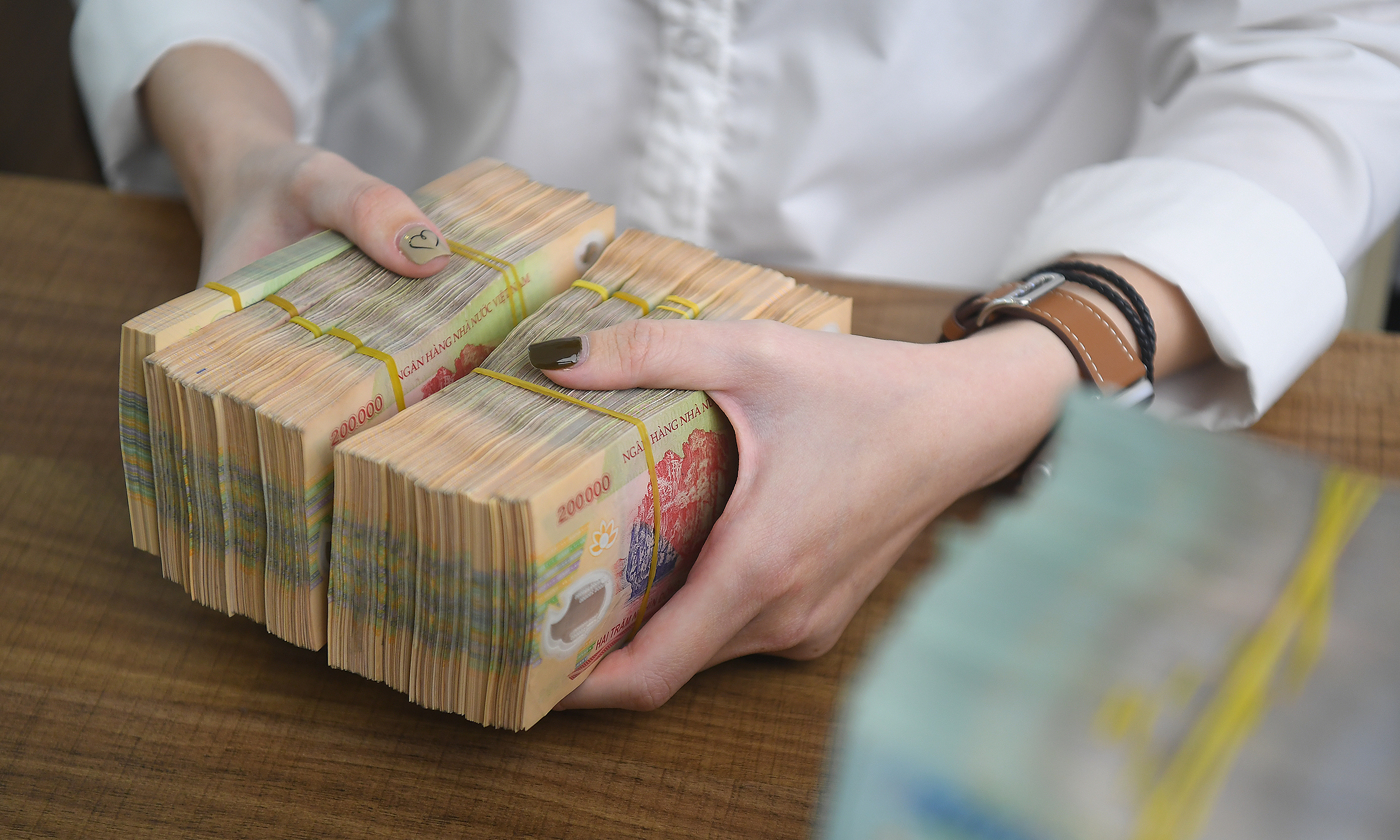
Last year, the National Assembly amended the Personal Income Tax Law, adding provisions for healthcare and education deductions for taxpayers and their dependents.
Data from the Resident Living Standards Survey indicates that in 2024, average per capita healthcare spending was 3,5 million VND annually, with inpatient care at 10,2 million VND and education-training at 9,6 million VND. The Ministry of Finance estimates that a taxpayer and one dependent currently spend approximately 20 million VND per year on healthcare and 21 million VND on education-training.
In the draft decree, which regulates several articles of the Personal Income Tax Law and is currently seeking public feedback, the Ministry of Finance proposes two options for healthcare and education deductions.
Option one: This option bases deductions on average healthcare and education-training expenditures using data up to 2026. Under this proposal, deductible expenses for medical examination and treatment at domestic healthcare facilities for taxpayers and their dependents are capped at 20 million VND. Domestic education-training expenses are capped at 21 million VND per year. Education-training expenses include: tuition for preschool, general education, vocational education, higher education, and other specialized skills.
The Ministry of Finance states that the proposed maximum healthcare deduction is two times the average inpatient healthcare expenditure per individual in 2024. The education-training deduction is 2,2 times the average expenditure for the same period.
Option two: This option considers projections for several subsequent years. Under this approach, deductible expenses for medical examination and treatment at domestic healthcare facilities are capped at 23 million VND annually. Domestic education-training expenses are capped at 24 million VND annually.
This option allows for a maximum healthcare deduction 2,3 times the average, and an education-training deduction 2,5 times the average per capita education-training expenditure in 2024.
The Ministry of Finance indicates that a taxpayer with one dependent and incurred healthcare and education expenses could receive total deductions of up to 307,4 million VND annually. This sum includes a personal deduction of 15,5 million VND per month, a dependent deduction of 6,2 million VND per month, healthcare expenses of 23 million VND per year, and education-training expenses of 24 million VND per year.
This amount is nearly 2,45 times Vietnam's projected per capita income for 2025, which is 125,5 million VND.
Consequently, a taxpayer earning 28 million VND per month with one dependent and maximum healthcare and education-training expenses would not be liable for personal income tax. Tax obligations, with a tax rate starting from 5%, would only commence when monthly income exceeds 28,63 million VND.
While this option would reduce state budget revenue by approximately 7.697 billion VND annually, the Ministry of Finance believes it will alleviate healthcare and education costs for citizens. Furthermore, the policy aims to encourage investment in these sectors, thereby improving human resource quality and enhancing social welfare.
To claim these deductions, taxpayers must provide complete invoices and documents. For healthcare expenses, a detailed statement of medical examination and treatment costs is also required. All invoices and documents must clearly show the taxpayer's or dependent's information and must not be covered by other sources, such as sponsorships, assistance, the state budget, or insurance funds. Incorrect declarations will result in retroactive tax collection and penalties for the taxpayer.
Phuong Dung