Tien Phong securities (TPS) has announced the appointment of Nguyen Chi Thanh as general director for a five-year term. TPBank owns 51% of the company's capital.
Born in 1980, Thanh holds a Master of Business Administration degree from Boston University (US) and has nearly 20 years of experience in finance and securities. He previously served as a senior leader at several securities companies, including over 11 years with SHS securities as general director and deputy general director.
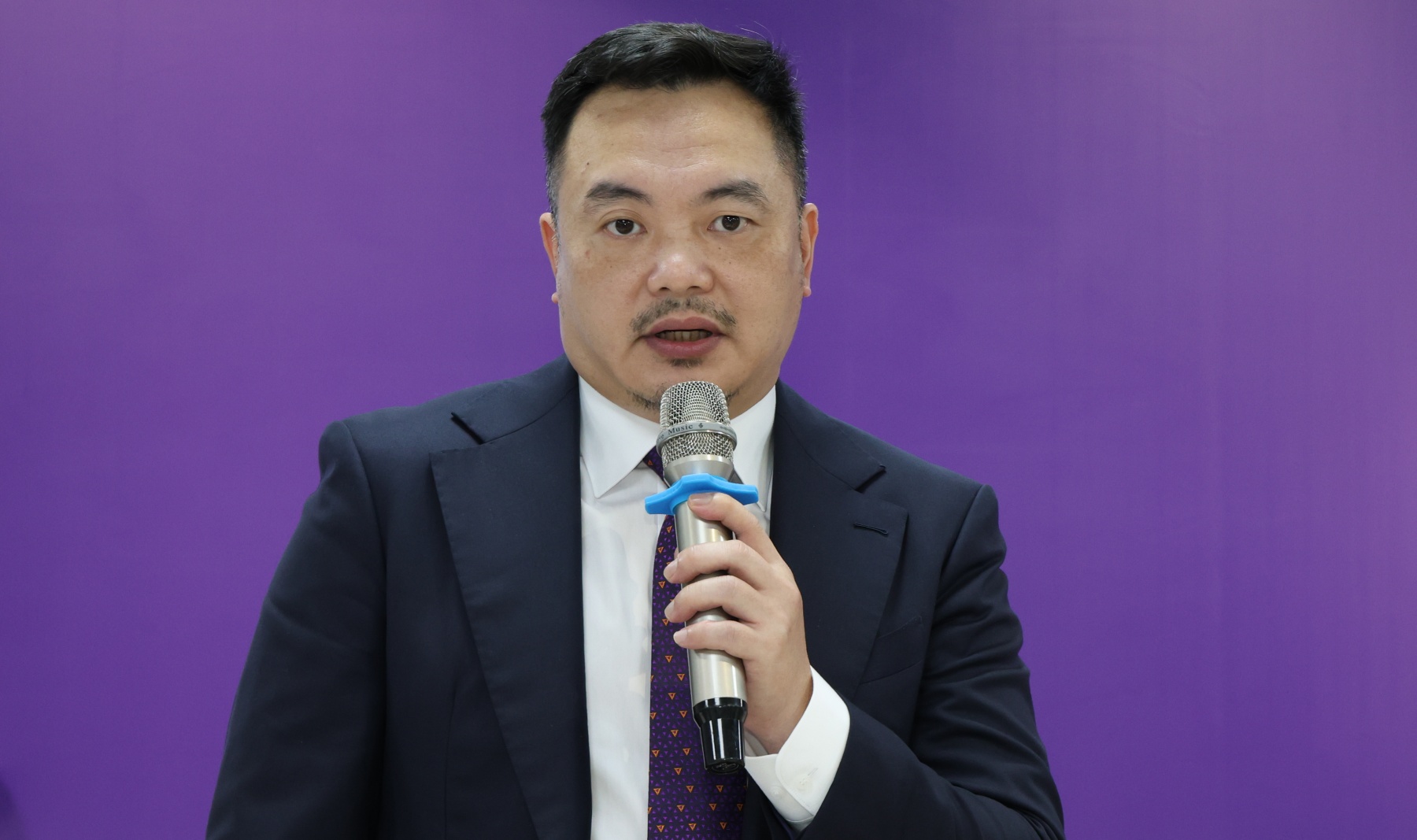 |
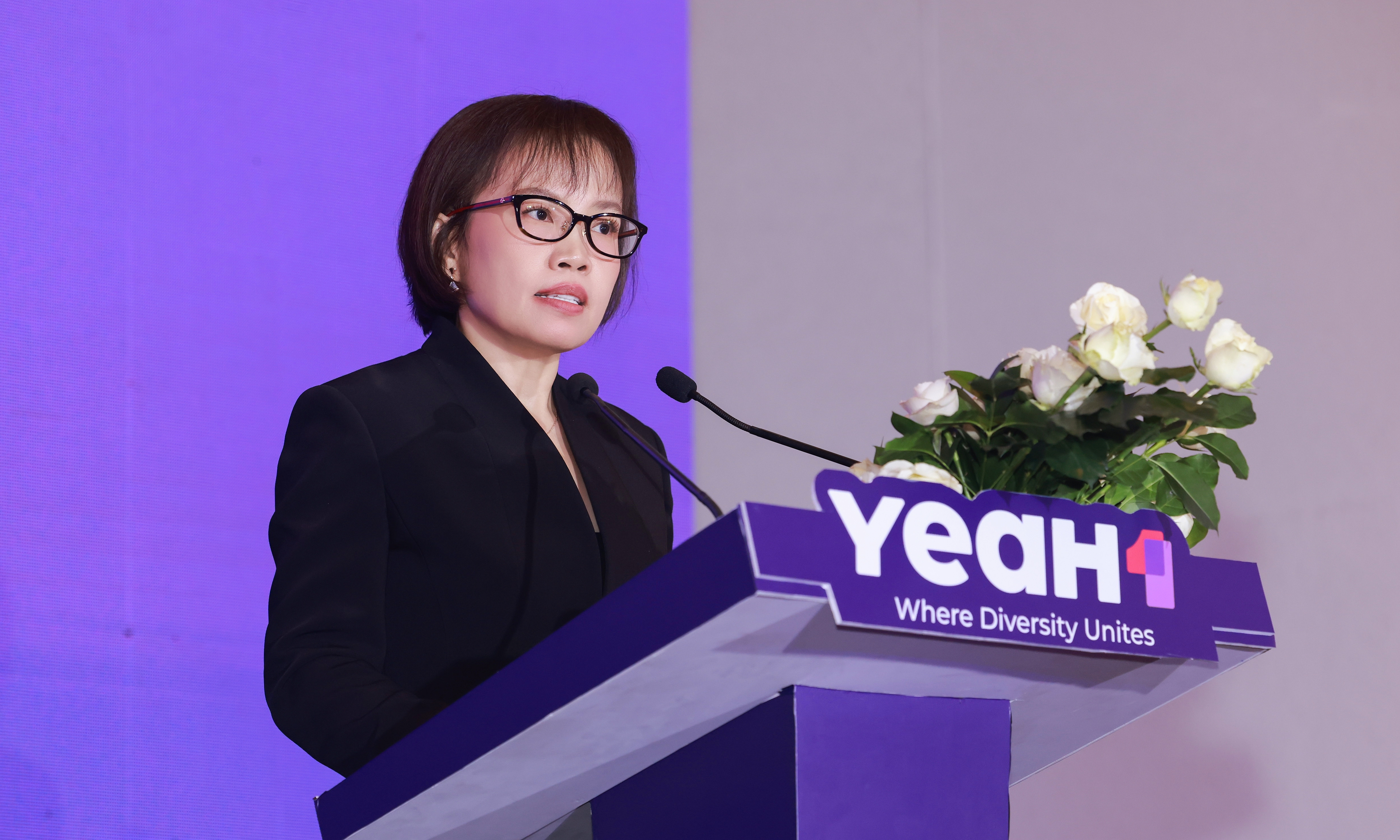
Nguyen Chi Thanh addresses shareholders at the 2026 annual general meeting. Photo: TPS |
Addressing shareholders at the annual general meeting on 22/4, Thanh stated that one of his goals in the new role is to propel TPS into the top 10 in the securities industry, not only in brokerage market share but also in other aspects such as investment banking and system development.
TPS's leadership estimates it will take about three years to achieve this goal and asked shareholders for patience. According to Nguyen Hong Quan, Chairman of the Board of Directors, in addition to capital, personnel, technology, and governance process enhancements, TPS has a significant advantage with its parent bank ready to share tens of millions of customers. Therefore, the company "will not accept maintaining a mid-tier position in the securities industry".
TPS stated it will focus on three core business segments: securities brokerage, investment banking, and capital trading. The company aims for this year's revenue to be one and a half times that of the same period, reaching 2.250 billion dong, while after-tax profit is projected to increase by 190% to 343 billion dong. This plan is based on two main drivers: improving margin lending outstanding to approximately 8.000 billion dong and increasing brokerage market share to 1-1,2%.
The leadership estimates the brokerage segment will contribute about 39% of profit, investment banking will account for 41%, with the remaining 20% from capital trading. Unlike other companies in the industry, TPS has not prioritized proprietary trading.
The company forecasts that achieving its profit target will not be difficult if market conditions are favorable. However, it also considers a scenario where profit could be impacted by about 10-15% if the market experiences negative fluctuations.
According to Nguyen Hong Quan, following the incident involving Bamboo Capital in 3/2025, the company learned a significant lesson about risk diversification and is now tightly controlling its operations. Margin lending currently has no bad debt. The biggest risk the company faces is fierce competition from industry rivals; without timely adaptation, the risk of being eliminated is very high.
Phuong Dong