Yesterday, President Donald Trump announced on Truth Social a phased tariff plan for imported generic drugs, which are medications whose patent protection has expired. Starting 1/8, these drugs will be exempt from import tariffs for two years. However, from 8/2028, these products will face a 100% tariff, increasing to 200% in 2029.
This roadmap aims to encourage pharmaceutical companies to move production back to the US, Trump explained. He described the escalating tariffs as a "penalty" for businesses that do not establish factories and facilities in the US during the incentive period.
This policy follows a prior announcement in early 4, when Trump declared a 100% tariff on patented drugs and branded drugs. Large pharmaceutical companies were given 120 days to comply before these tariffs took effect, while small manufacturers had 180 days. At that time, generic drugs, biosimilar drugs, and related components remained exempt from tariffs.
Currently, more than 10 major pharmaceutical companies, including Eli Lilly, Pfizer, and Novo Nordisk, have reached agreements with Trump to lower prices for new, currently available drugs. These agreements are part of the US President's new policy, which stipulates that drug prices in the world's largest economy must be lower than in other countries. In return, companies participating in the agreement will be exempt from import tariffs for three years.
India is one of the countries most affected by this policy. Its pharmaceutical companies supply nearly 50% of the total generic drugs consumed in the US, with the US market accounting for about 30% of India's annual pharmaceutical exports, primarily consisting of low-cost versions of common drugs.
Meanwhile, Chinese companies dominate the supply of active pharmaceutical ingredients, such as amoxicillin and heparin. Facing new pressure, many foreign pharmaceutical companies, such as Novartis, Sanofi, and Roche, as well as domestic companies Eli Lilly and Johnson & Johnson, have pledged significant investments in the US.
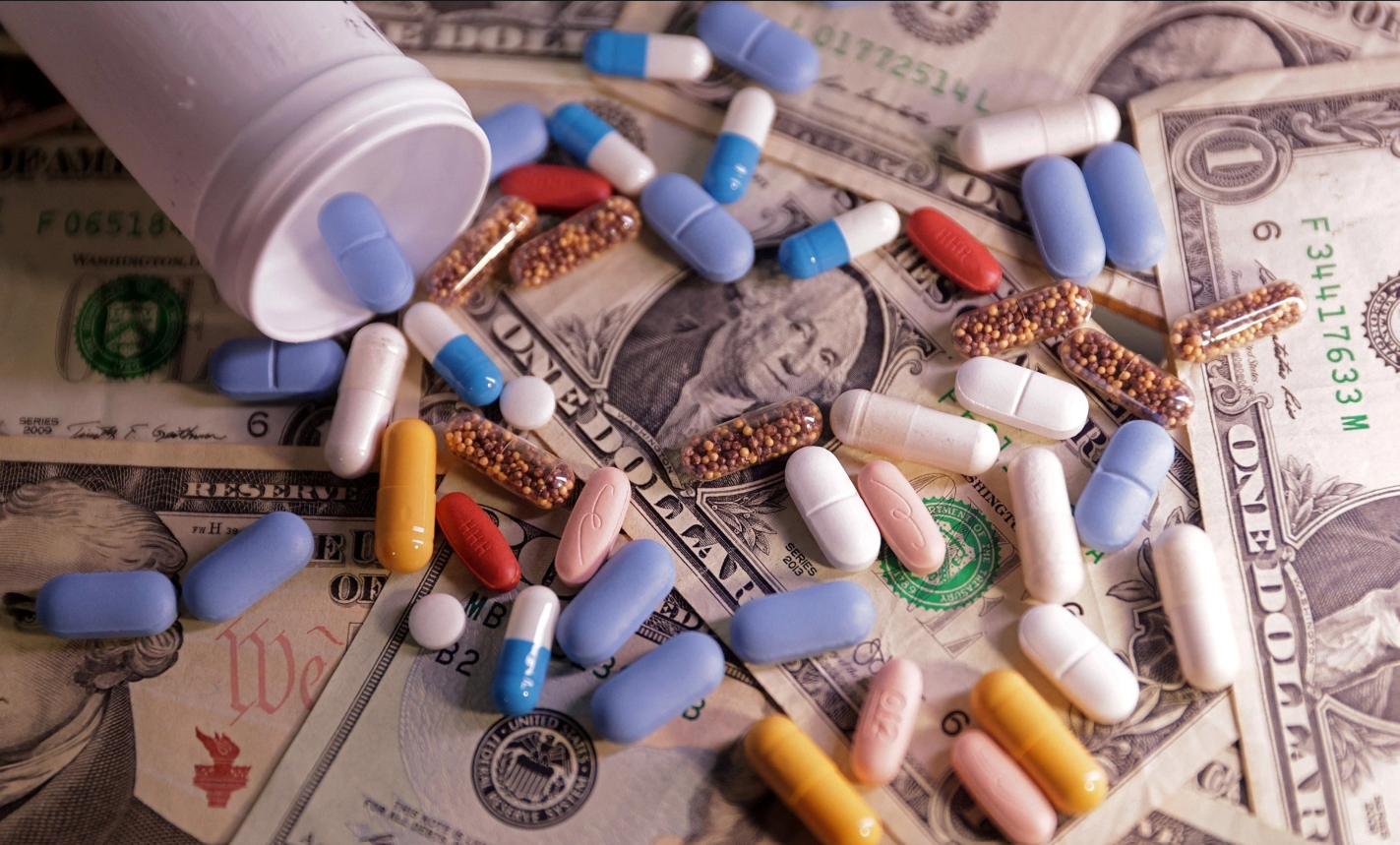 |
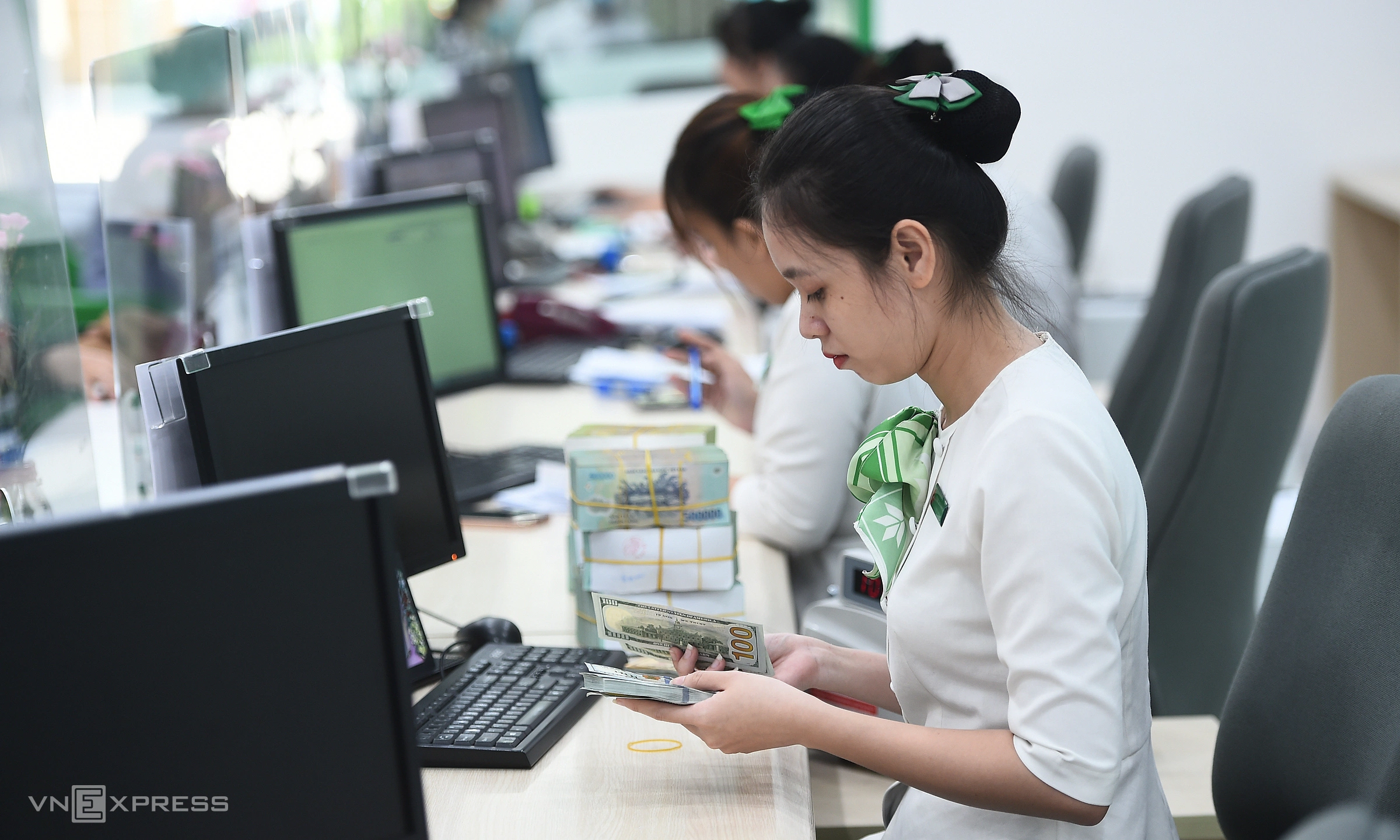
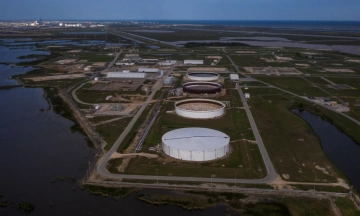
The US is set to impose tariffs of up to 200% on imported pharmaceuticals. *Photo: Reuters*
However, the pharmaceutical industry has warned that import tariffs will drive up costs and disrupt drug supply chains, potentially putting patients at risk.
Ha Thu (according to CNBC, Reuters)