In its newly released report, UOB, a Singaporean bank, highlighted Vietnam's robust economic performance, with Q1 GDP increasing by 7,83% compared to Q1 2025. This growth surpassed both the bank's own forecast of 7% and Bloomberg's survey estimate of 7,6%.
According to UOB, growth was primarily driven by the manufacturing, construction, and services sectors, supported by strong export demand, which rose by 19,1%. Additionally, realized foreign direct investment (FDI) increased by 9,1%, reaching 5,41 billion USD.
UOB assessed the short-term outlook as a mix of positives and challenges, as rising energy costs begin to exert pressure. A bright spot is the continued expansion of the manufacturing sector, with both the purchasing managers' index (PMI) and output maintaining upward momentum.
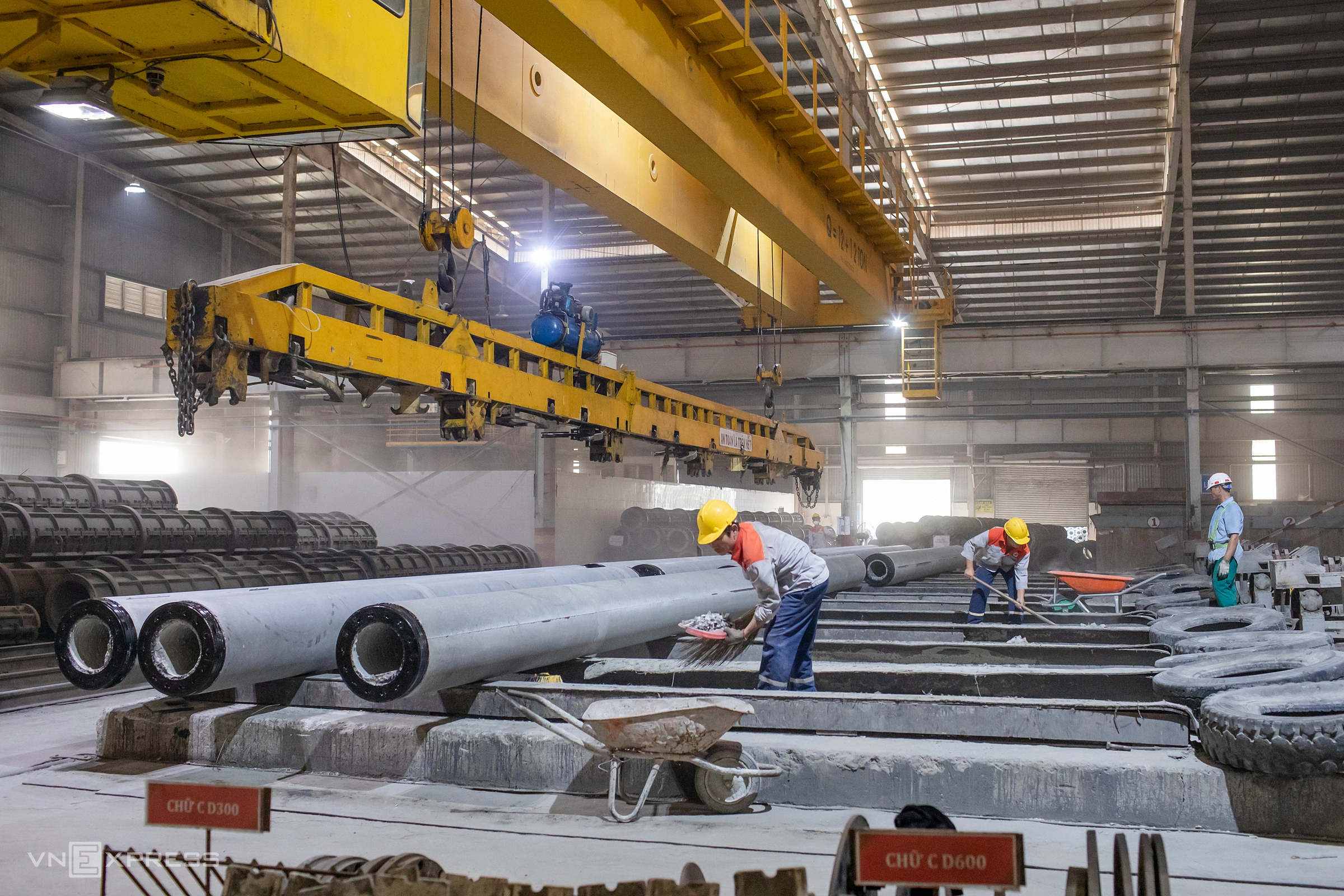 |
Inside a Dong Tam factory in Long An, March 2025. Photo: Thanh Nguyen |
However, the consumer price index (CPI) rose by 5,6% in May. Concurrently, slower export growth coupled with increased imports caused the trade balance for the first 5 months to swing into a deficit. According to data from the General Statistics Office (Ministry of Finance), Vietnam recorded a trade deficit of nearly 14 billion USD during the first 5 months of the year, a reversal from a 5,1 billion USD surplus in the same period last year.
UOB noted that pressure on the balance of payments persists due to the significant demand for machinery imports for infrastructure development and the likelihood of sustained high oil prices.
The bank forecasts Vietnam's Q3 GDP to increase by 7,1%. The average growth for Q2 and Q3 is projected at around 6,7%, which is considered the "most challenging period" of the year.
Acknowledging continued significant risks from energy prices and US tax policy, UOB maintains its 7% GDP forecast for 2026 and anticipates that the State Bank of Vietnam will likely keep its policy rates unchanged.
On 24/4, the National Assembly approved a resolution setting an annual growth target of 10% until 2030, aiming for Vietnam to join the top 30 economies by GDP globally. UOB described this as a "highly ambitious" medium-term goal.
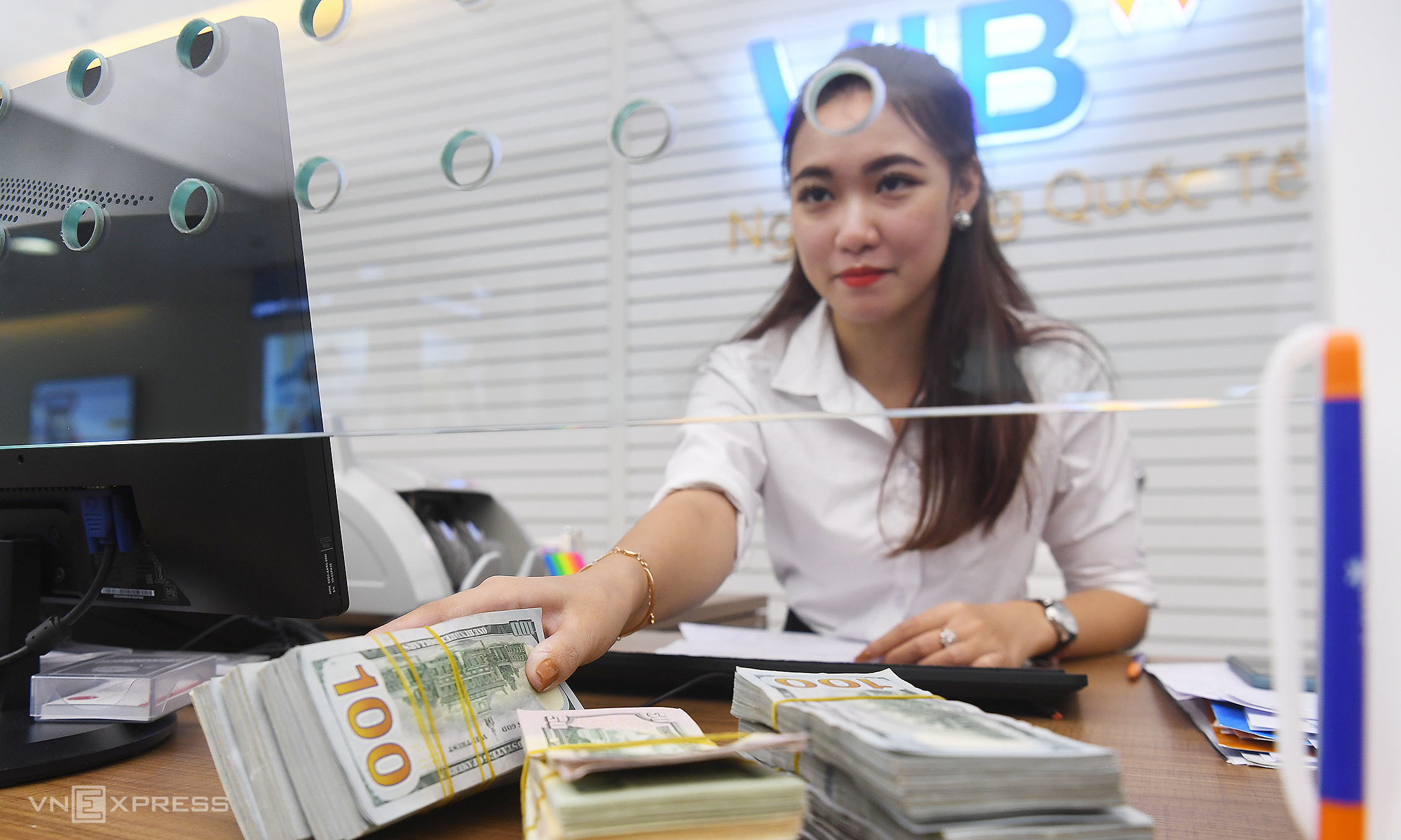
Regarding exchange rates, UOB observed signs of greater stability in recent weeks. Nevertheless, the Vietnamese dong (VND) is likely to remain under short-term pressure, similar to other regional currencies, due to prolonged geopolitical instability. The USD/VND exchange rate is projected to gradually and controllably depreciate, reaching 26,500 in Q3 and 26,400 in Q4, respectively.
Vien Thong