After a three-day delay due to earlier progress, trade negotiations between the US and Canada concluded unsuccessfully on the evening of 21/8. "Tonight, Canada refused to finalize a trade agreement on the terms agreed upon earlier this week", US Trade Representative Jamieson Greer stated.
Immediately after this development, the 50% tariff the US applied to 20 billion USD of Canadian goods officially took effect early on 22/8. Canadian Prime Minister Mark Carney announced that Canada would respond proportionally.
"Canada will respond in kind to every dollar of tariffs to protect our workers and businesses", he declared. Ottawa also stated it would announce additional support measures for workers and businesses in the coming days.
The Associated Press (AP) believes such retaliatory action could escalate the trade conflict and raise questions about the future of the trade agreement among the US, Canada, and Mexico, which is essential for North American industry.
Previously, late on 18/8 (US time), President Trump announced a three-day postponement of the 50% tariff on Canadian goods, citing progress in negotiations. A White House official indicated that Canada later sought tariff reductions from the US on steel, aluminum, automobiles, and lumber, but Washington did not agree.
US Trade Representative Jamieson Greer noted that the US had offered its neighbor the best treatment among major exporting countries to the US. However, Canada introduced new demands and retracted some commitments, which disrupted the balance built during the negotiation period.
Conversely, Canadian Prime Minister Mark Carney placed responsibility on Washington. He stated that "last-minute changes to the US-proposed terms were unfair, economically unreasonable, and raised reliability questions".
According to Carney, Canada's objective throughout the negotiations was to achieve the best possible deal, not a deal at any cost. Therefore, he instructed the negotiating team to halt discussions and return to Ottawa.
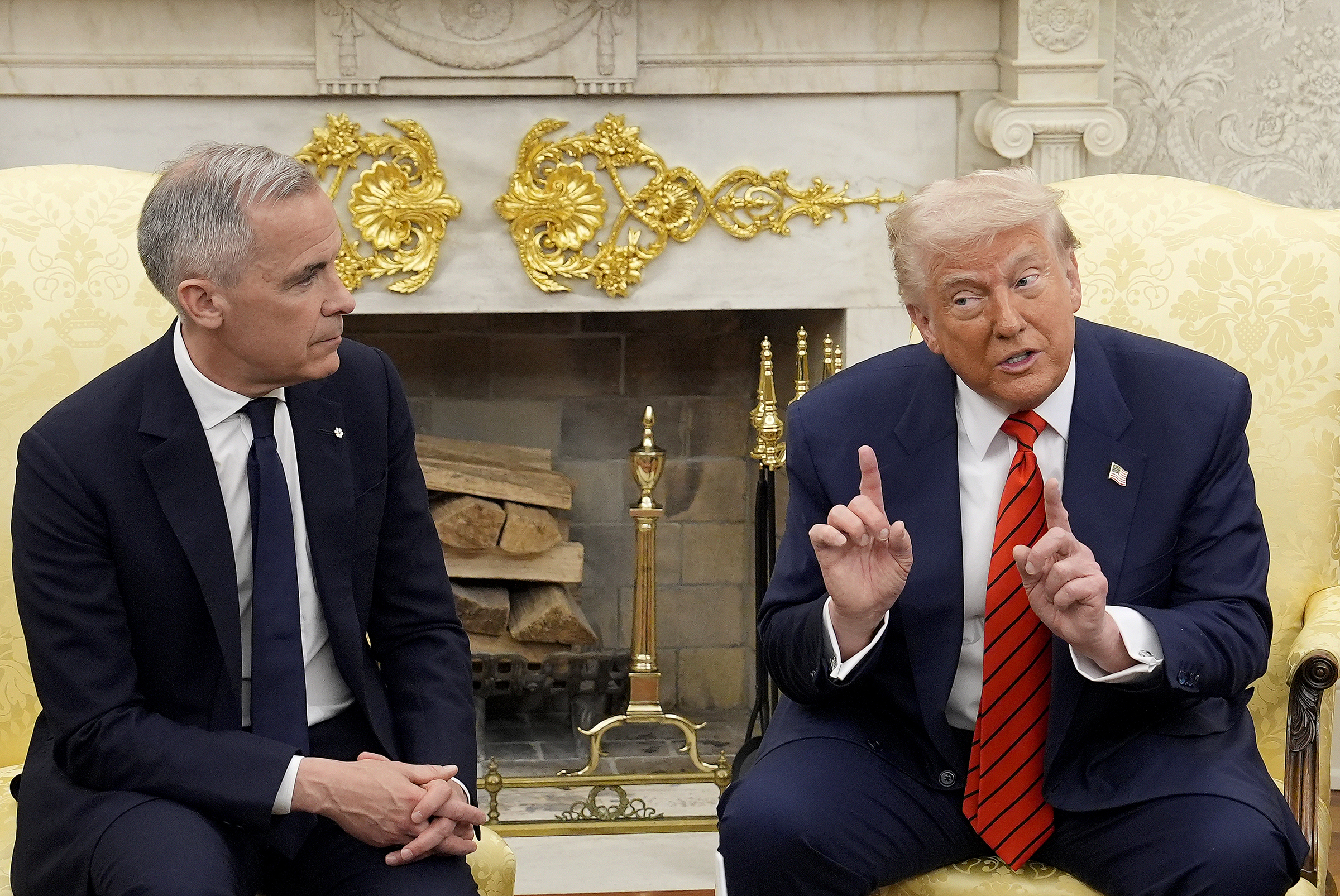 |
Thu tuong Canada Mark Carney (trai) trao doi voi Tong thong My Donald Trump tai Nha Trang ngay 6/5. Anh: AP
The failed outcome marks a sharp reversal from just two days prior, when officials from both countries signaled that an agreement was imminent. Currently, neither side has planned for the next round of negotiations.
"Canada may want more tariff reductions on specific sectors than Washington is willing to accept, or Canada's concessions were not enough", commented Ryan Majerus, an expert at King & Spalding.
In 2025, US-Canada trade in goods and services reached 880 billion USD. The US accounted for nearly 72% of Canada's goods exports.
The Trump administration may also need to consider the impact of excessively high new tariffs ahead of the november mid-term elections. Import tariffs are paid by US businesses, which could pass these costs on to consumers, at a time when voters are already discontent with rising prices.
"In any scenario, I think both sides will face immense pressure in the coming days to find a way out. But if Canada decides to impose retaliatory tariffs, this could become even more difficult", Ryan Majerus remarked.
Phien An (according to AP)