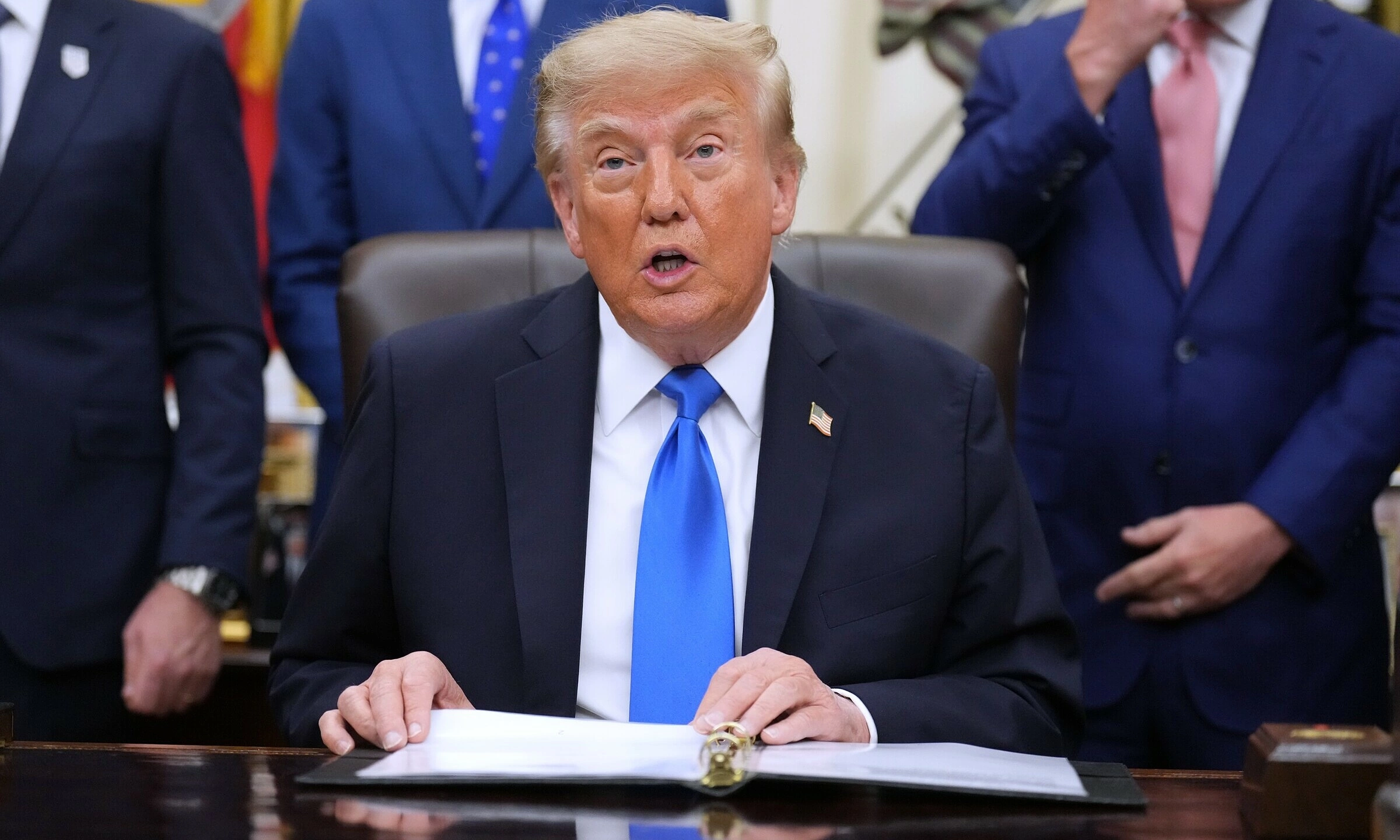
On 20/7, US President Donald Trump signed three documents enacting tariffs under Section 338 of the Tariff Act of 1930. This act permits tariffs of up to 50% on imports from any nation. The White House announced these new duties on Canadian goods will take effect from 19/8, applying regardless of whether the products qualify for preferential treatment under the US-Mexico-Canada Trade Agreement (USMCA).
The White House cited Canada's dairy industry protection system and import tariffs and quotas exclusively targeting US autos as primary reasons for the decision. It also noted that most Canadian provinces had ceased selling US alcoholic beverages in retaliation for earlier Washington tariffs. Over the past year, US auto imports into Canada have decreased by 22%, while US alcoholic beverage imports have plummeted by 81%.
The tariffs will impact a wide array of Canadian products, including wine, hockey sticks, and cement. The new duties also extend to dairy preparations, swimming pools, furniture, fishing rods, seeds, clothing, and wigs. Exemptions from this round of tariffs include energy products, potassium, seafood, critical minerals, and items already subject to import duties under Section 232.
US Trade Representative Jamieson Greer stated, "The US continues to pursue fair agreements with its trade partners. However, unlike other partners and allies, Ottawa has retaliated against Washington's efforts to rebalance trade and protect industries in sectors sensitive to national security." This announcement followed by only a few days President Trump's accusation that Canada was responsible for wildfire smoke drifting into the US. At the time, he threatened to add "unquantifiable costs" for addressing this pollution to existing tariffs on Canadian goods.
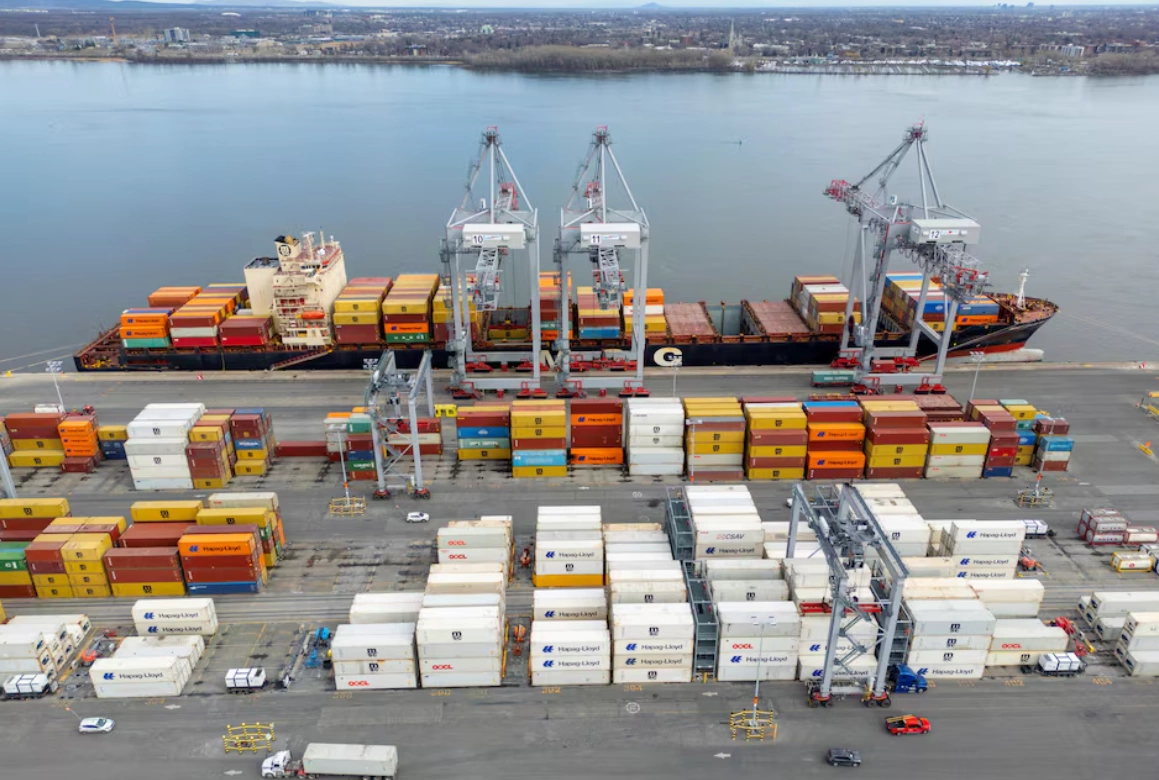 |
Containers at the Port of Montreal in Quebec, Canada, 4/2025. Photo: Reuters |
Ha Thu (according to Reuters)