On 14/7, the US Department of the Treasury announced expanded sanctions targeting Iran's oil industry, focusing on the network of oil magnate Mohammad Hossein Shamkhani. The department also froze 130 million USD in digital currency wallets linked to the Central Bank of Iran.
This move came after US forces conducted airstrikes on Iran for the fourth consecutive day and reimposed a naval blockade. Meanwhile, Iran also attacked vessels passing through the Strait of Hormuz, according to the International Maritime Organization (IMO). Since late February, when the Middle East conflict erupted, Iran has blockaded the Strait of Hormuz, a vital shipping lane for global oil and liquefied natural gas transport.
"This is the Treasury Department's effort to increase economic pressure on the Iranian regime after it resumed destabilizing attacks in the Strait of Hormuz," the US Department of the Treasury stated.
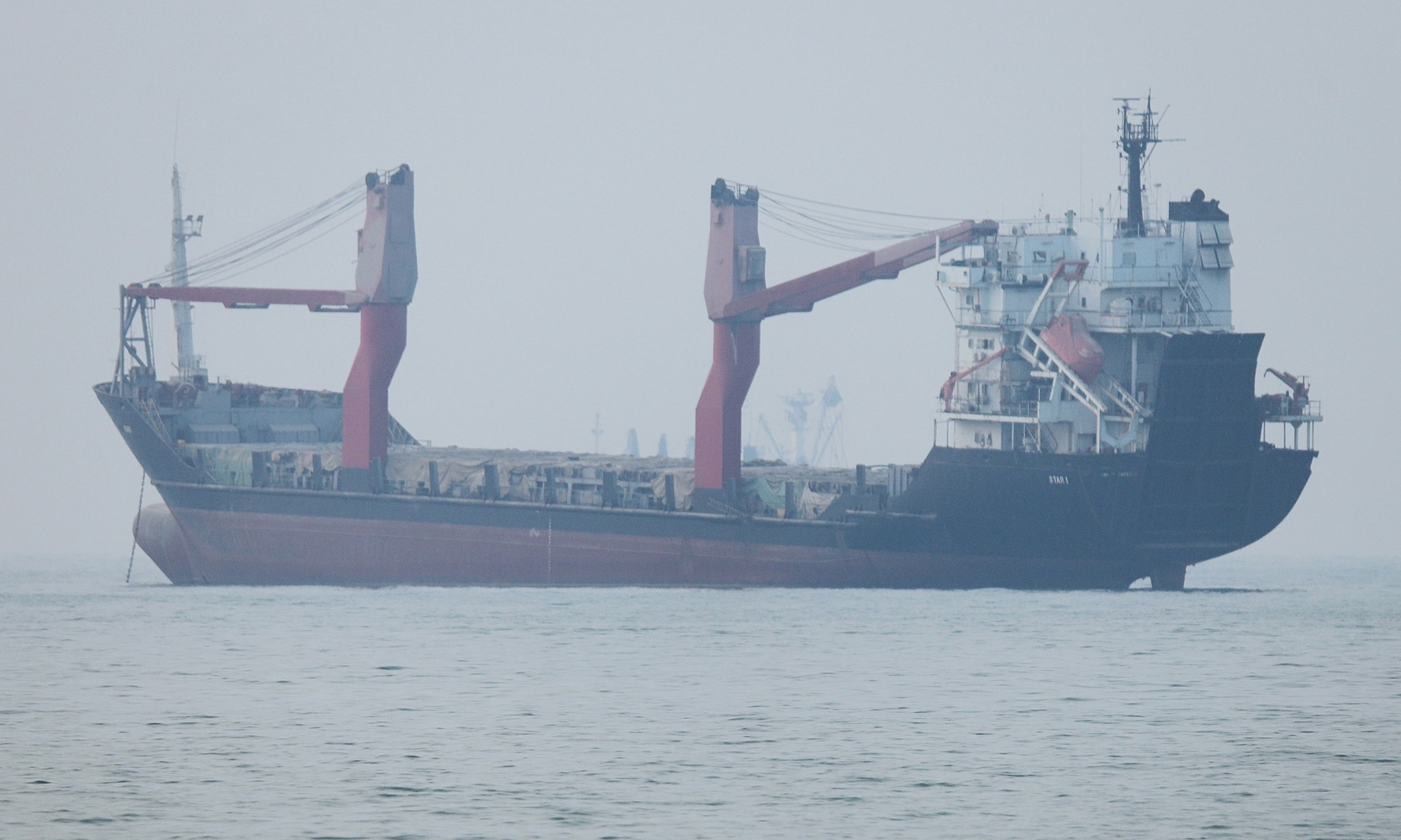 |
A cargo ship anchored in the Strait of Hormuz off Bandar Abbas, Iran, on 30/6. *Photo: AP*
The department believes Shamkhani's network remains a key force behind Iran's oil exports, even expanding into trading various other goods. The new round of sanctions targets over 50 individuals, entities, and vessels that Washington claims have helped the Tehran regime profit.
According to the US Department of the Treasury, the agency has now sanctioned over 200 individuals, entities, and vessels operating under Shamkhani's network. He is the son of Ali Shamkhani, a security advisor to the late Supreme Leader of Iran Ali Khamenei.
Bessent stated that the US Department of the Treasury has "sanctioned numerous digital asset wallets linked to the Central Bank of Iran, thereby freezing over 130 million USD". "We will continue to trace financial flows and prevent the Iranian regime from accessing illicit revenue," he wrote on social media platform X.
Experts believe that digital asset platforms have been used to evade sanctions imposed on Iran's Islamic Revolutionary Guard Corps. Iran is currently almost isolated from the global financial system due to US and European sanctions implemented years ago. Digital currency is therefore seen as a way for the country's citizens and businesses to continue transacting with the world.
Digital currency has also become a financial refuge for citizens amid soaring inflation. The Statistical Center of Iran reported that in June, the country's inflation reached 88,6% compared to the same period last year, primarily due to the Middle East conflict. In February, before the conflict escalated, this figure was only 68%.
Ha Thu (according to AFP)