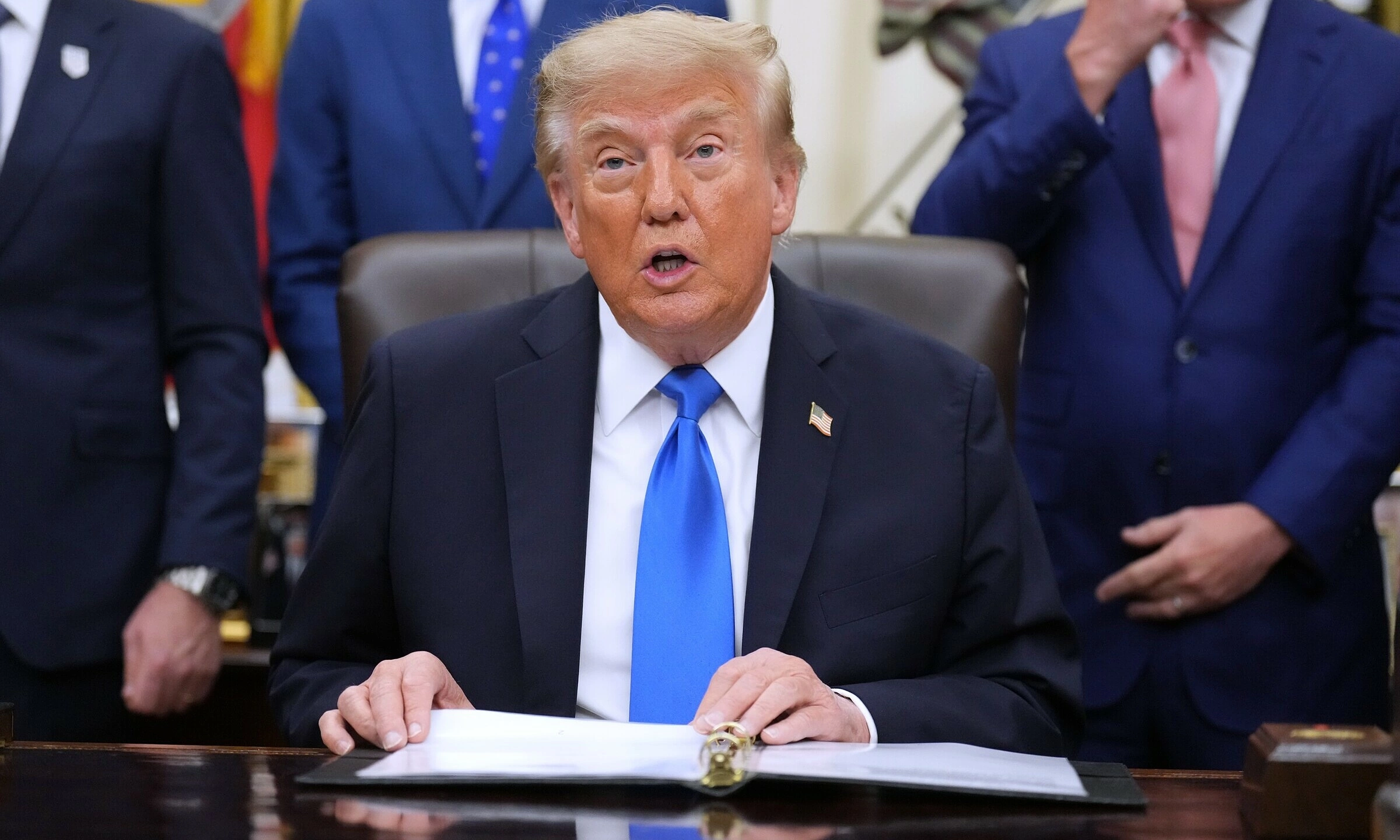
Last month, the US President approved the imposition of tariffs under Section 338 of the 1930 Tariff Act. This act permits tariffs of up to 50% on imports from any country that discriminates against US goods.
These new tariffs will apply to nearly 20 billion USD worth of Canadian goods, representing approximately 5,2% of the total 383 billion USD in Canadian goods the US imported last year, according to data from the US Census Bureau.
The tariffs will be imposed regardless of whether the goods qualify for preferential treatment under the US-Mexico-Canada Agreement (USMCA). This policy highlights Trump's firm stance on trade with Canada since his return to the White House last year. Canada is currently the US's second largest trade partner, after Mexico.
The new tariffs are expected to complicate ongoing negotiations regarding the future of the USMCA. When questioned about the impending tariffs and the prospects for a trade agreement, Canadian Prime Minister Mark Carney on 17/8 declined to provide specific details. He indicated that there have been intense discussions with the US and he anticipates speaking with the US President before the deadline.
Dominic LeBlanc, Minister for Trade Relations with the US, and chief trade negotiator Janice Charette also confirmed that negotiations with the US are intensifying. On 14/8, LeBlanc revealed that the two countries have not yet reached a trade agreement, despite frequent meetings.
On 17/8, two sources within the auto industry informed Reuters that tariffs on Canadian-made vehicles are a significant sticking point in the current negotiations.
Canadian businesses have warned that the new policy could lead to job losses in several sectors already facing challenges. Small and medium-sized enterprises are particularly vulnerable, as they heavily depend on tariff-free access to US customers.
Alain Ouzilleau, owner of the Cabico kitchen cabinet brand, stated, "Manufacturers cannot absorb a 50% tariff. Neither can American customers. Overnight, some Canadian products will lose competitiveness in the US".
Over the past four weeks, LeBlanc has met US Trade Representative Jamieson Greer 6 times. These meetings included an online discussion on 16/8 and a face-to-face meeting on 17/8. Both countries are actively seeking to finalize an agreement before the 19/8 deadline.
By Ha Thu (Reuters)