According to a report by blockchain data analytics firm Chainalysis, Vietnam is among the most active cryptocurrency markets in Southeast Asia. From July 2025 to June 2026, Vietnam's crypto activity reached 122.2 billion USD, trailing only Singapore (284.1 billion USD).
The Chainalysis report focuses on the crypto economy, tracking the flow and activity of Bitcoin, Ether, stablecoins, and other tokens on the blockchain through various channels. These include centralized exchanges (CEX) and decentralized exchanges (DEX), peer-to-peer (P2P) transactions, stablecoins, cross-border flows, and institutional platforms. The value of crypto activity reflects transaction volume, not the amount of assets held by individuals or net investment capital entering the market.
The more than 122 billion USD in crypto activity is equivalent to nearly 24% of Vietnam's GDP in 2025. On average, this market transacts approximately 335 million USD daily, nearly one-third of the average daily stock trading value on HoSE last year.
Vietnam's cryptocurrency landscape also differs from regional financial centers. According to Chainalysis, Vietnam, Thailand, and the Philippines are prominent in P2P activity. In contrast, Singapore and Australia show a significant increase in transactions via platforms serving financial institutions.
P2P is a method of transferring digital assets directly between individuals, potentially facilitated by platforms connecting buyers and sellers. This activity can serve needs such as buying and selling digital assets, remittances, or payments. However, transaction data alone is insufficient to determine the specific purpose of each fund.
During the study period, Vietnam, Thailand, and the Philippines collectively recorded 5.4 million P2P transactions valued under 10,000 USD, accounting for 14.4% of all such transactions globally. This proportion is notable, as these three markets represent only 2.5% of the global crypto economy by Chainalysis's measure.
Over 80% of domestic transactions in these three countries were valued under 1,000 USD. The average transaction value was 618 USD, significantly lower than the 1,210 USD recorded in the rest of the world.
These figures indicate that P2P activity in these markets features a substantial presence of small-value transactions, rather than solely focusing on large transfers. However, Chainalysis has not released the specific number of P2P transactions for Vietnam. Therefore, the exact proportion of Vietnam's contribution to the total 5.4 million transactions cannot be precisely determined.
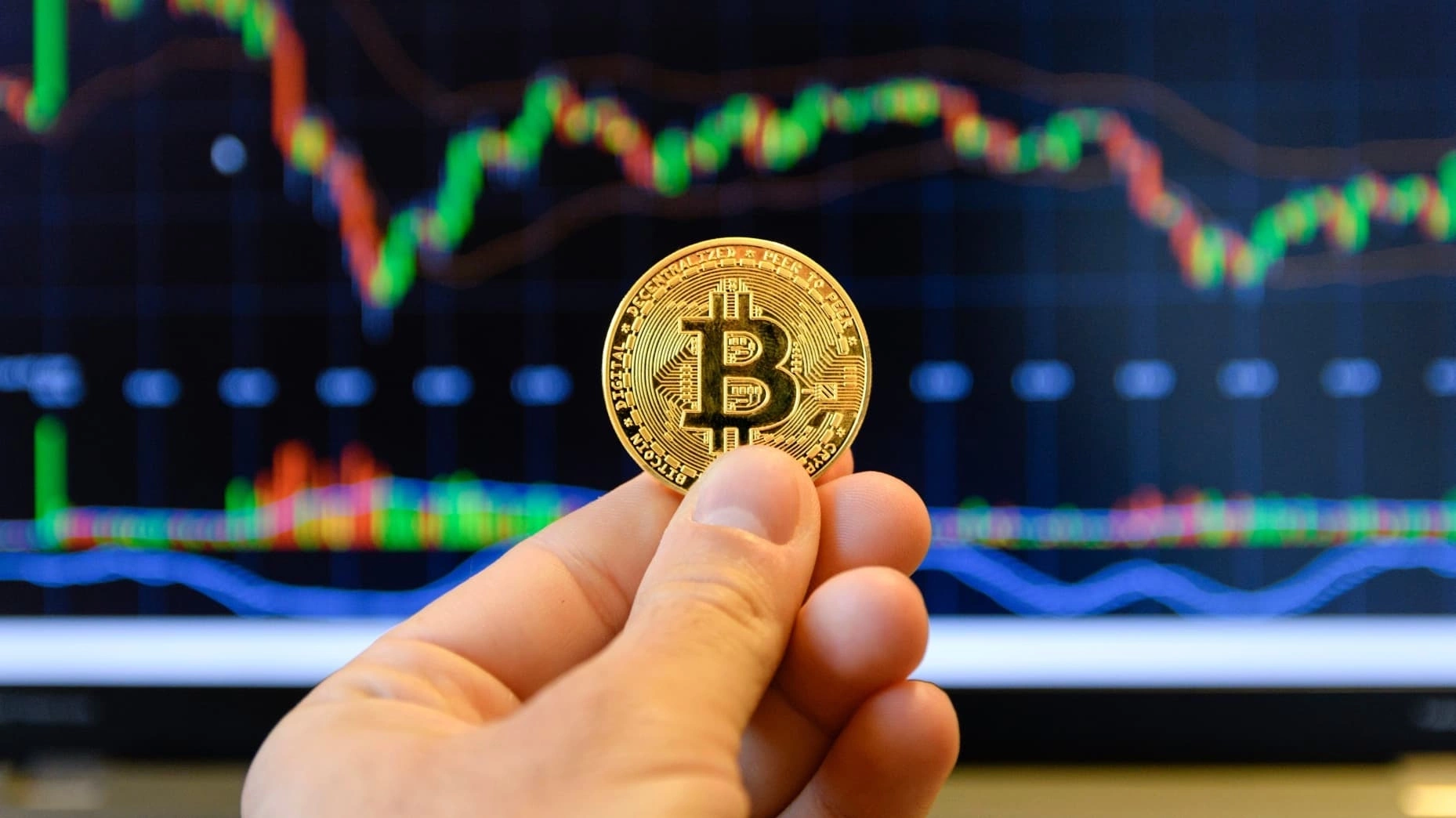 |
An investor holds a Bitcoin emblem in front of a price monitoring screen. Photo: CNBC |
Another important characteristic of the market highlighted in the report is stablecoin activity. Stablecoins are digital assets designed to maintain a relatively stable value against a reference asset, most commonly the USD. According to Chainalysis, domestic stablecoin activity in Vietnam reached 6.9 billion USD during the study period.
However, this figure should be understood as the scale of domestic stablecoin activity based on Chainalysis's statistical methodology. It does not represent the value of stablecoins circulating in Vietnam or the total assets held by individuals. The report also does not allow for determining whether this activity stems entirely from goods payments, personal remittances, or investment transactions.
The report indicates that cross-border stablecoin transactions in regional markets are larger than domestic transactions. In some markets, the volume of cross-border flows is 50% to over 100% higher than domestic activity. Malaysia exhibits the largest difference, with a ratio of 29.5 times.
According to experts interviewed by Chainalysis, stablecoins can help shorten settlement times and reduce costs for cross-border transactions. Meanwhile, well-developed domestic payment systems in many countries mean the demand for stablecoins for daily payments is not necessarily as high as the need for international remittances.
Tat Dat