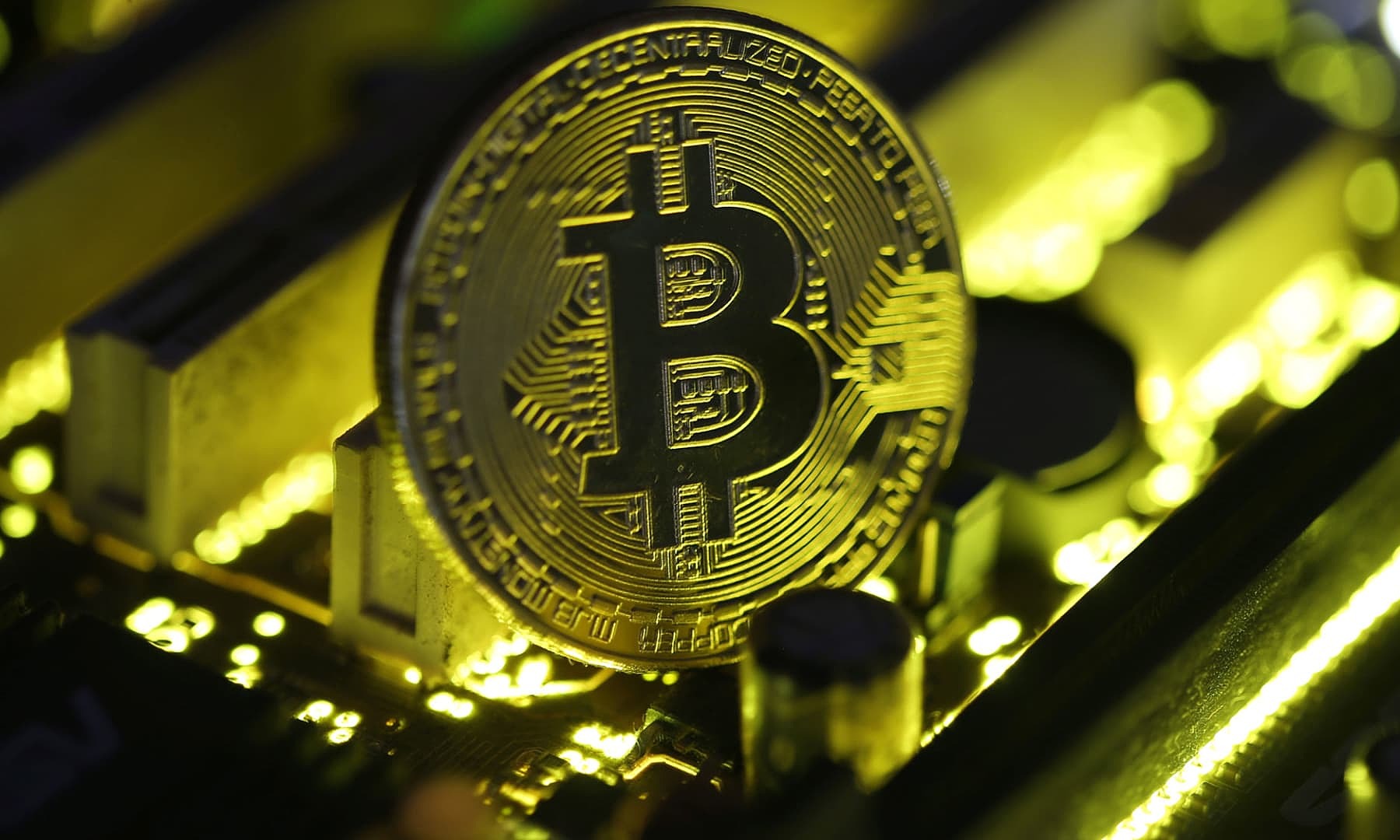
Strategy, the world's largest corporate holder of Bitcoin (BTC), significantly increased its cryptocurrency reserves last week. According to an announcement yesterday from Chief Executive Officer Michael Saylor, the company purchased 1,550 BTC for approximately 101 million USD, bringing its total holdings to 845,256 BTC.
This acquisition came after Bitcoin's price plummeted by approximately 15% last week, briefly trading below 60,000 USD before recovering above 62,000 USD. Many market observers attributed this downturn to Strategy's sale of 32 BTC on 1/6, which had sent ripples through the market.
To fund this latest purchase and bolster its balance sheet, Strategy expanded its USD reserves by 100 million USD, bringing its total cash reserves to 1 billion USD. The company financed both moves by issuing 181 million USD in common stock during the period.
The recent purchase was executed at an average price of 65,332 USD per BTC, which is notably lower than Strategy's overall average acquisition price of 75,680 USD. Following this transaction, the company holds 845,256 BTC, acquired for a total value of nearly 64 billion USD.
 |
Michael Saylor speaks at the Bitcoin 2023 Conference in the US. Photo: Reuters |
Michael Saylor speaks at the Bitcoin 2023 Conference in the US. Photo: Reuters
While many pointed to Strategy's sale as the reason for Bitcoin's drop below 60,000 USD, a report released yesterday by market analysis firm 10x Research offered a different perspective. The firm argued that the actual cause was rising inflation in the US.
Markus Thielen, founder of 10x Research, stated that most investors misunderstood the dynamics behind the recent crypto market sell-off. While attention focused on Strategy's first BTC sale since 2022 and the potential pressure if the world's largest Bitcoin holder continued to sell, Thielen suggested the larger narrative was a wave of institutional investor selling through spot Bitcoin exchange-traded funds (ETFs).
Since the US April inflation report was released on 12/5, exceeding expectations, US-listed Bitcoin ETFs have recorded approximately 5,4 billion USD in net outflows. During the same period, Strategy accumulated about 2 billion USD in BTC, positioning itself as one of the few significant buyers in the market.
"The market misdiagnosed this sell-off, and Strategy is not the problem," Thielen commented.
According to Thielen, market focus should now shift to the May Consumer Price Index (CPI) report, scheduled for release on 10/6. This data could determine whether Bitcoin's recent correction deepens further or finds stability.
10x Research's model projects annual inflation to increase to 4,3%, higher than last month's 3,8%. This forecast aligns closely with Wall Street's expectation of 4,2%. The report suggests that if inflation surpasses 4%, it could strengthen concerns that the US Federal Reserve (Fed) will need to maintain high interest rates for longer or even consider additional rate hikes.
Such a scenario would be unfavorable for risky assets. The market began 2026 with expectations of multiple Fed rate cuts, but following a series of hotter-than-expected inflation and labor market data, traders are now largely ruling out monetary easing and increasingly discussing the possibility of Fed rate increases.
Despite Bitcoin being technically oversold after its recent decline, Thielen cautioned against viewing a short-term rebound as a signal of a sustainable recovery. 10x Research anticipates a potential technical rebound for BTC early this week, but it is likely to cool if US inflation figures are higher than expected.
By Tieu Gu (via CoinDesk)