During a meeting in Beijing on 14/5, Chinese President Xi Jinping expressed interest in buying more US oil from President Donald Trump, aiming to reduce China's reliance on supplies via the Strait of Hormuz, as per a White House summary of the discussions.
However, China's official statement on the meeting did not mention this topic among the subjects discussed by the two leaders, though it did reference the situation in the Middle East. The Chinese Ministry of Foreign Affairs has not commented on the matter.
China is the world's largest oil importer, but the US has never been a major supplier to the nation. US oil flows to China peaked at approximately 395,000 barrels per day in 2020, accounting for less than 4% of China's total crude oil imports.
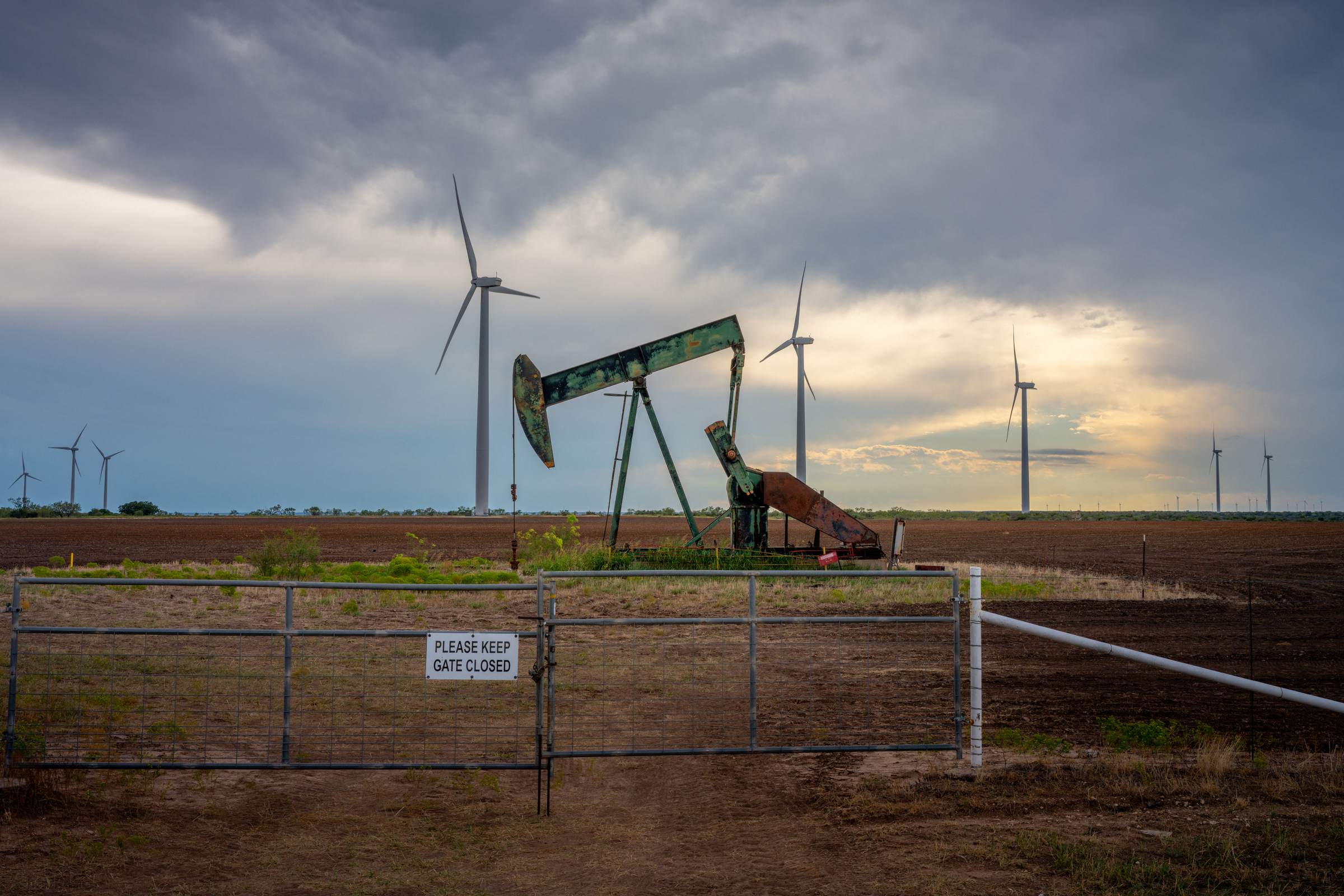 |
A pumping unit in Nolan, Texas, on 4/10/2023. *Photo: AFP*
By 2024, before Trump's return to the White House, imports had decreased to about 193,000 barrels per day, valued at approximately 6 billion USD. From 5/2025, Chinese traders ceased purchasing US oil after Beijing imposed a 20% import tariff in retaliation for Trump's earlier tariffs.
Since the Middle East conflict began in late February, global oil and gas supplies have tightened. The blockade of the Strait of Hormuz disrupted about 20% of production, driving up prices. According to a US official, both President Xi Jinping and President Trump agreed on the need to keep the strait open for the free flow of energy.
Following the discussions, the Chinese Ministry of Foreign Affairs stated that the US and China agreed to establish a "constructive strategic relationship". He Yongqian, spokesperson for the Chinese Ministry of Commerce, said that China is ready to expand bilateral cooperation. He added that both sides would work to shorten the "list of outstanding issues" and promote healthy economic and trade relations.
The White House reported that President Donald Trump had a "good meeting" with Chinese President Xi Jinping. The two sides discussed measures to enhance economic cooperation, including expanding market access in China for US businesses and increasing Chinese investment in US industries.
Phien An (according to Reuters, Bloomberg)