Dr. Nguyen Thi Thu Anh, former Principal of Nguyen Tat Thanh Secondary and High School, a member of the National Council for Education and Human Resource Development, and Vice President of the Hanoi Educational Psychology Association, states that amidst a labor market constantly reshaped by technology, selecting a "hot" major or university no longer guarantees future success. The crucial aspect is for learners to develop the capacity to adapt to evolving career landscapes.
She emphasizes that students selecting a major and university should base their decision on three key factors: understanding their own capabilities, comprehending future career trends, and possessing the ability for lifelong learning.
"In reality, no one can accurately predict what a specific profession will be like in 20 years", she analyzed. "Some professions disappear, new ones emerge, and most will be restructured by technology. Therefore, learners need sufficient capacity to adapt, relearn, and transition as the world changes. A correct choice must be based on three factors: understanding oneself, understanding trends, and having the ability for lifelong learning."
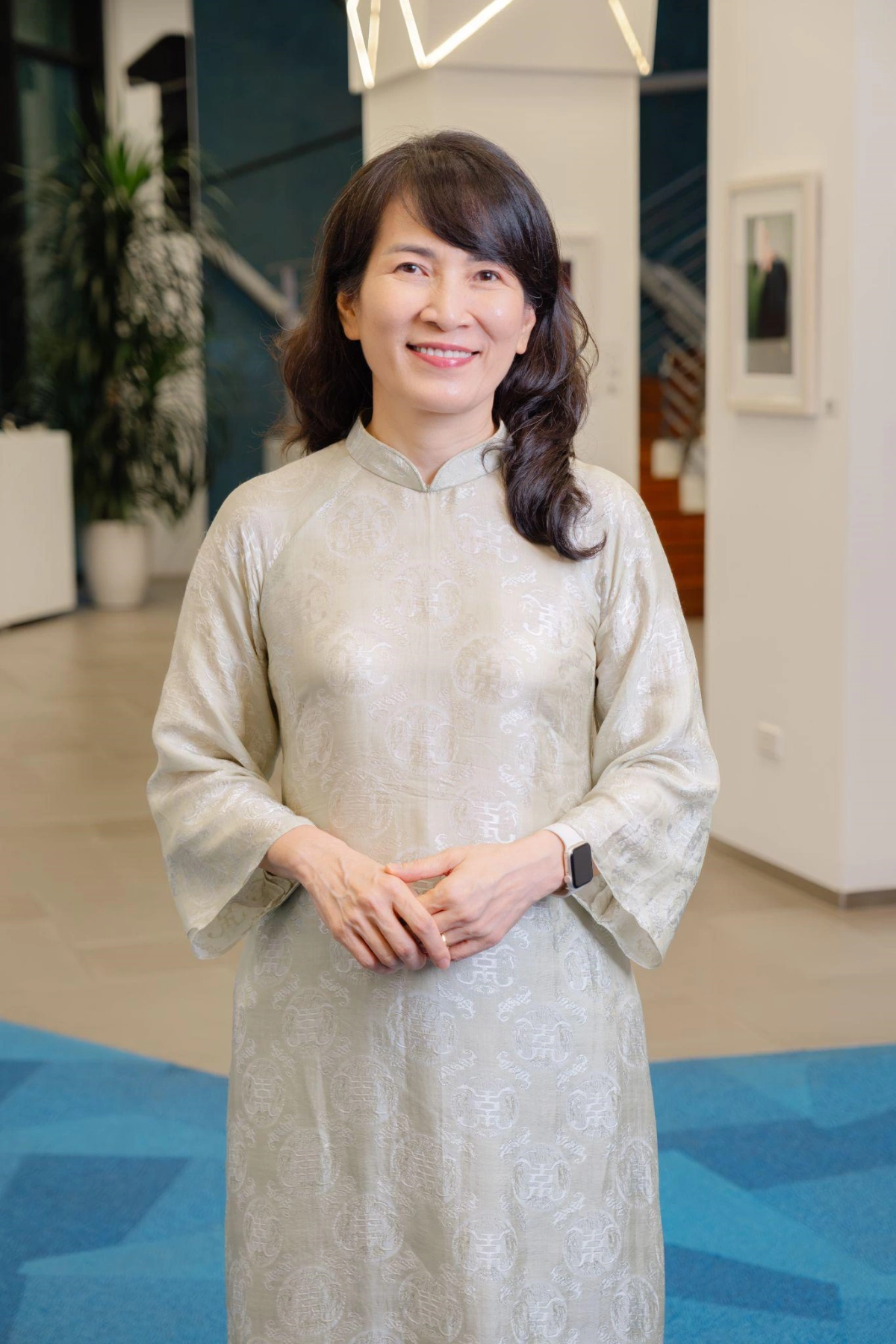 |
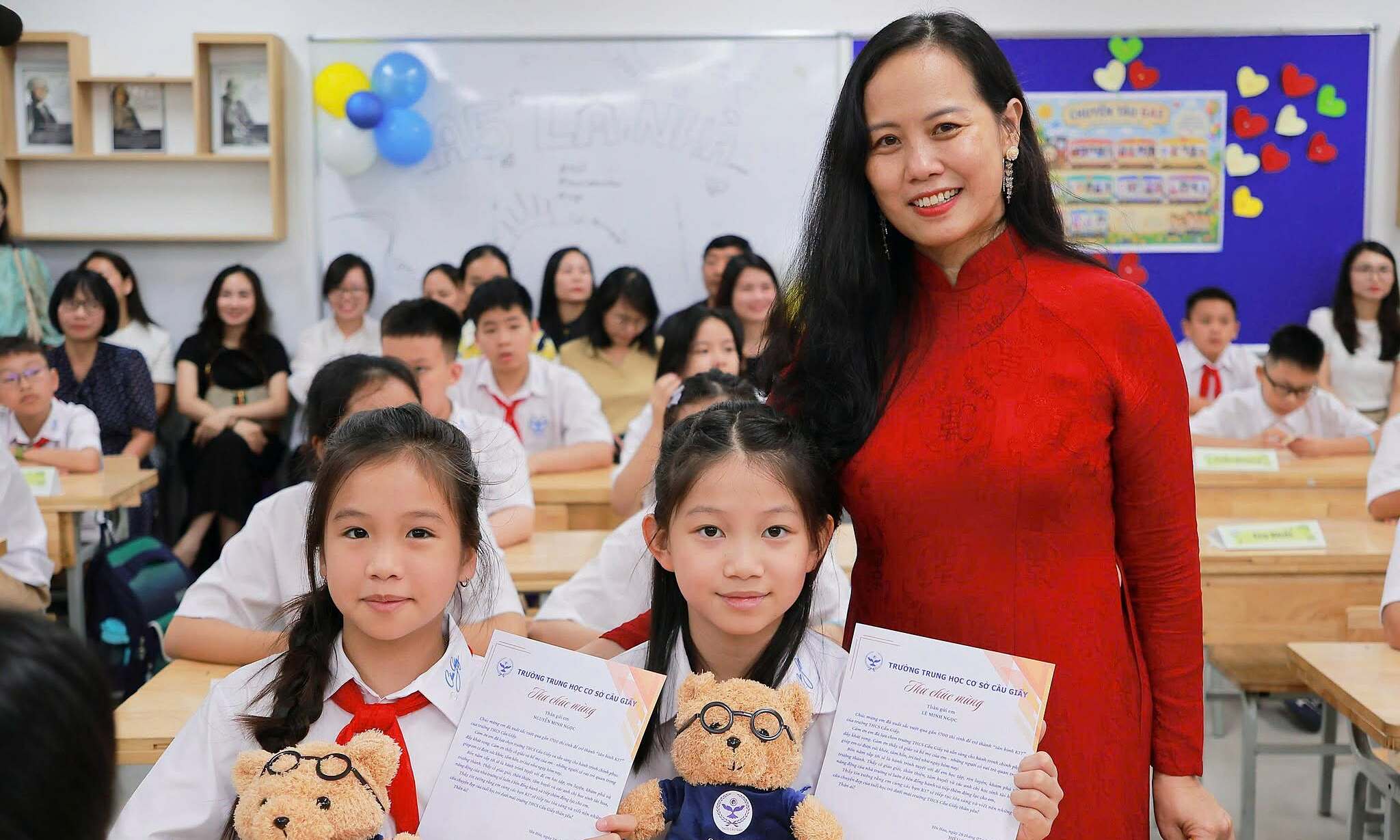
Dr. Nguyen Thi Thu Anh, former Principal of Nguyen Tat Thanh Secondary and High School, a member of the National Council for Education and Human Resource Development, and Vice President of the Hanoi Educational Psychology Association. Photo: BUV |
Addressing the rise of artificial intelligence (AI), Dr. Thu Anh notes that education must go beyond teaching users how to operate technology; it must equip them with the ability to master it. She explains that while AI can assist in information retrieval and synthesis, the quality of the output depends on the user's foundational knowledge, their capacity to formulate questions, and their critical thinking skills.
"AI cannot replace learning", she emphasized. "Conversely, the more AI advances, the deeper learners must study to verify information, make informed decisions, and take responsibility for those decisions."
Dr. Thu Anh points out that AI primarily automates repetitive tasks, whereas human strengths such as creative thinking, problem-solving, empathy, and responsibility remain invaluable. Consequently, universities must innovate their curricula towards interdisciplinary approaches, integrate practical applications, and foster both professional competencies and adaptive skills.
The evolving labor market is reshaping university selection criteria. Students and parents no longer solely focus on major names, admission scores, or institutional reputation. Instead, they increasingly prioritize the learning ecosystem and the value a university provides to its students.
She states that to meet these new demands, universities must continuously innovate their training programs, enhance interdisciplinary learning, connect knowledge with practical applications, and simultaneously develop professional competencies, socio-emotional skills, and adaptive capabilities. Institutions capable of evolving with global changes will hold greater appeal for learners.
Within this trend, Dr. Thu Anh highlights BUV as an exemplary university ecosystem model. The institution not only updates its majors to align with international trends but also cultivates an environment where students develop communication skills, problem-solving abilities, and socio-emotional competencies.
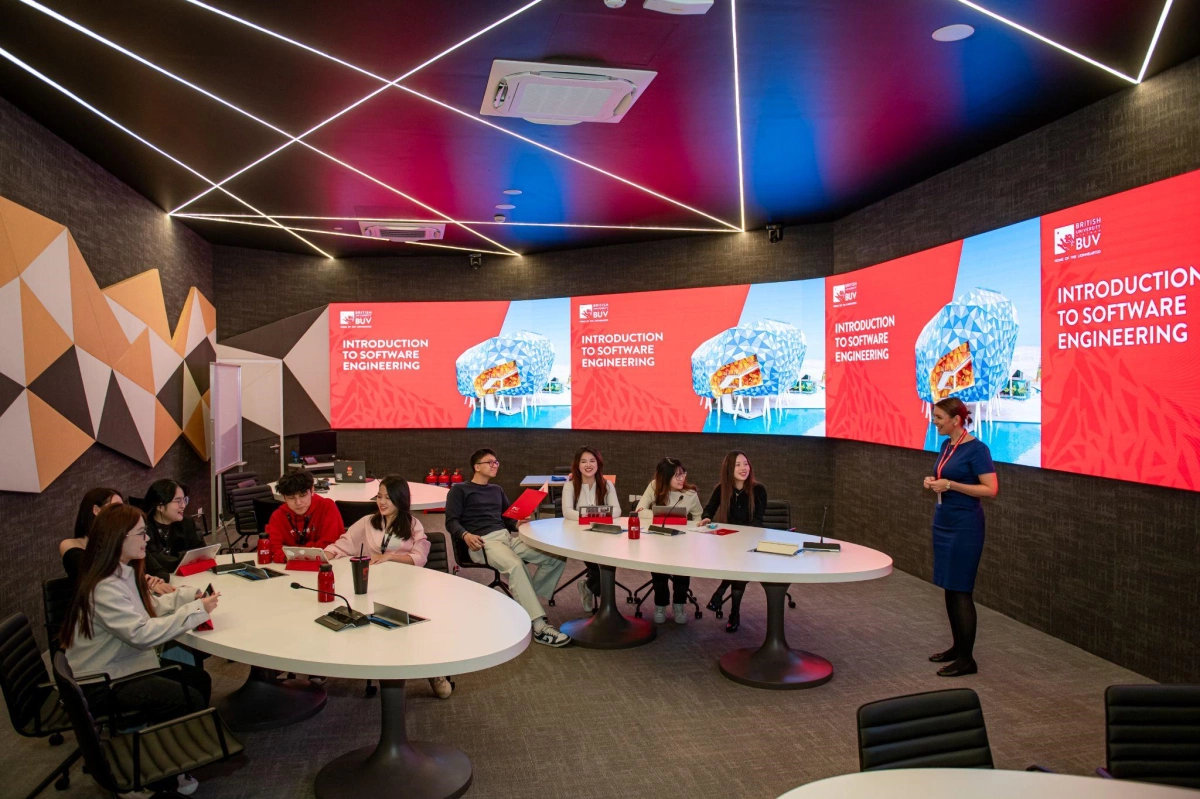 |
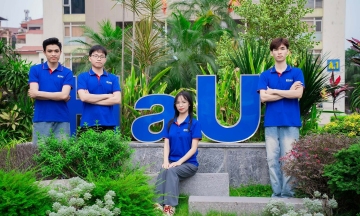
BUV students in a technology class. Photo: BUV |
She notes that a prominent feature of BUV is its strong connection with businesses. Students gain opportunities to apply knowledge in practical settings, progressively developing professional conduct and a clearer understanding of labor market demands. This enables them to proactively enhance themselves, shorten the adaptation period for jobs, and feel more confident when entering the professional environment.
Dr. Thu Anh also underscores that the most crucial aspect of career guidance involves parents accompanying their children rather than imposing choices. She explains that many students worry about selecting the wrong major, believing it to be a lifelong decision, despite the reality that careers will evolve significantly.
"Modern parents should listen, and together with their children, explore their strengths, interests, and what kind of person they aspire to become", she shared. "When parents understand their children, families can collaboratively choose a suitable learning environment."
Dr. Thu Anh notes that the same major can be offered at various universities. She emphasizes that it is crucial for families to clearly define their priorities: if they desire their children to have both a solid academic foundation and the ability to apply knowledge in specific professions, they should seek institutions with business-connected ecosystems, programs that develop AI-era skills, and provide extensive practical experiences for students.
"By studying in such environments, students become more proactive in their career choices and are often recognized by businesses from their first year after graduation", she concluded.
Yen Chi