The job market for university graduates has significantly contracted, with data from recruitment website Adzuna revealing a sharp decline in available positions. In july, just over 8,300 jobs were advertised for new graduates, marking a 45% decrease compared to the same period last year. This figure represents a considerable drop from the peak of 55,000 positions recorded in 2017.
"This figure represents a clear setback, not a temporary anomaly," Andrew Hunter, co-founder of Adzuna, commented in The Guardian, highlighting the severity of the current situation.
This downturn coincides with a record number of over 262,800 new students preparing to enroll in universities, intensifying competition for fewer roles. Key sectors such as healthcare, nursing, hospitality, and logistics have all seen a reduction in recruitment, reversing a brief recovery observed in the spring. According to BBC, the average number of applicants competing for each position has also risen from 1,93 to 2,14 individuals compared to last year.
The current climate places significant pressure on graduates entering the workforce, particularly as entry-level positions face a growing risk of automation and replacement by artificial intelligence (AI).
Businesses are increasingly tightening their recruitment processes, driven by rising operating costs, including higher insurance contributions and minimum wage requirements. Many companies are now prioritizing investment in automation tools and AI technologies over hiring additional personnel, further shrinking the entry-level job market.
This trend has fostered widespread pessimism among young people regarding their career prospects. A report from the Institute for Public Policy Research (IPPR) this summer indicated that youth aged 16 to 21 are less confident in their ability to succeed than they were 10 years ago, with some experiencing a "loss of faith in the future". Furthermore, data from the Office for National Statistics (ONS) showed that in Quarter I this year, approximately one million young people in the country were classified as NEET—not in education, employment, or training.
In response to these challenges, Mayor Andy Burnham announced in july his commitment to boosting youth employment. He plans to achieve this by increasing support for technical education and expanding apprenticeship programs, aiming to equip young people with the skills needed for emerging industries.
Despite the overall grim outlook, some sectors offer a glimmer of hope for new graduates. Tourism, education, and construction continue to show increased recruitment for recent university leavers. Charlie Ball, an expert in graduate employment, suggests that the actual numbers may not be as dire as they appear, as many businesses advertise new positions without explicitly labeling them "For Graduates". Additionally, HR Magazine reports that companies may be securing talent early through apprenticeships or internships, rather than waiting until graduation.
 |
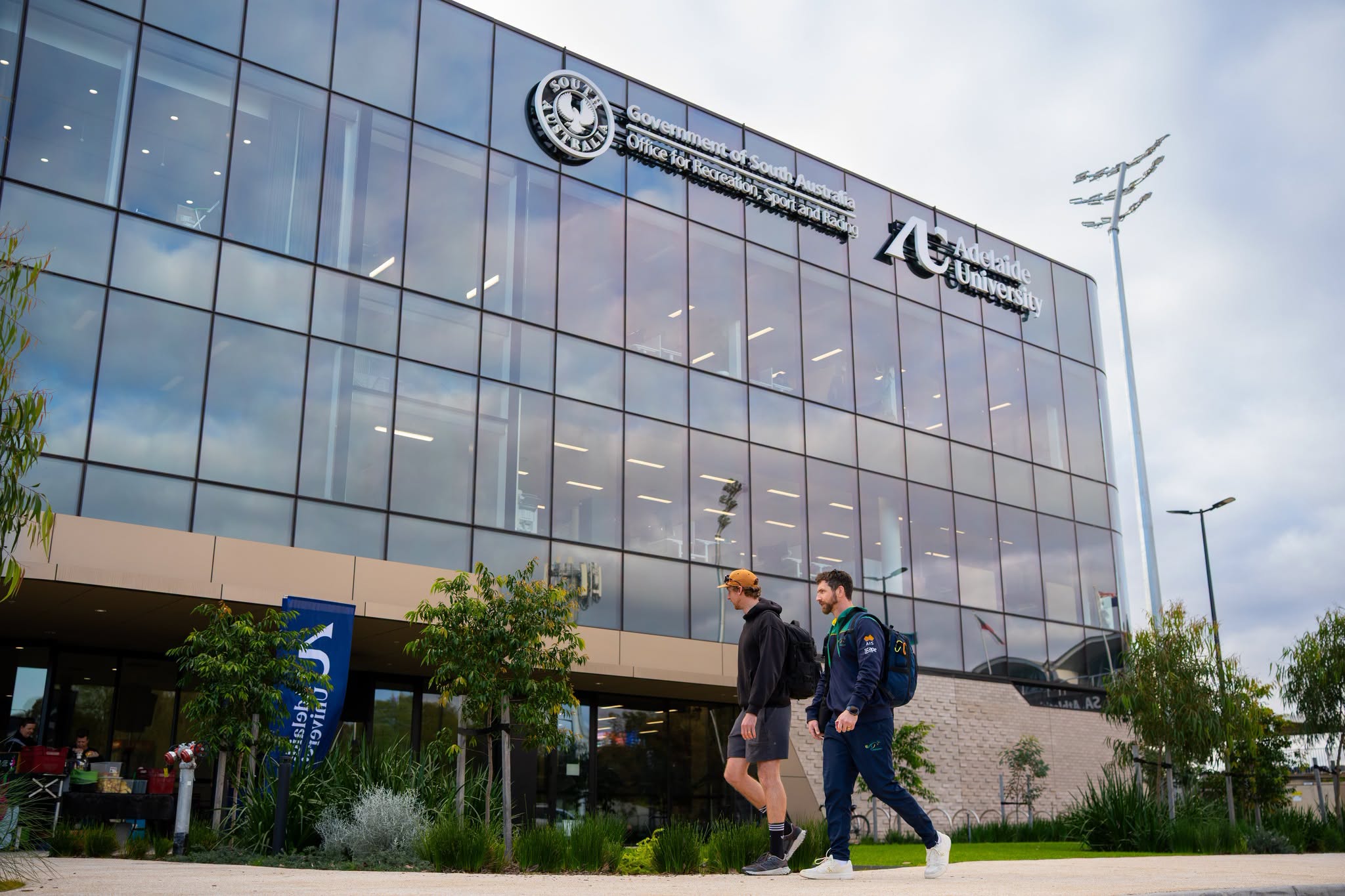
Imperial College London (ICL) campus. *Photo: University's social media page*
Compiled by Khanh Linh