Hanoi University of Science and Technology (HUST) announced on 1/7 a list of 55 training programs eligible for monthly scholarships ranging from 3,7 to 5,5 million VND. This initiative, part of Government Decree 179, aims to encourage students in basic sciences, key engineering, and strategic technology fields. The scholarship duration is up to four years for bachelor's programs, five years for engineer programs, and for the standard training period for master's and doctoral students. Eligibility for these scholarships depends on specific conditions.
At Hanoi University of Science and Technology, a scholarship of 5,5 million VND is awarded to eligible students in seven integrated master's and talented bachelor's programs. These include: Computer Science (Data Science - Artificial Intelligence orientation), Control and Automation Engineering, Electronics and Telecommunications Engineering, Mechatronics Engineering (Smart Mechatronics Systems and Robotics), Mechanical Engineering (Smart Manufacturing orientation), Logistics and Supply Chain Management, and Chemical Engineering.
A monthly scholarship of 4,2 million VND is designated for students in three semiconductor microchip programs: the bachelor's program in Electronics and Telecommunications Engineering, Smart Embedded Systems and IoT (Japanese-enhanced), and the advanced engineer program in Microchip Design. Forty-five other HUST training programs in key engineering and strategic technology fields are expected to receive 3,7 million VND.
 |
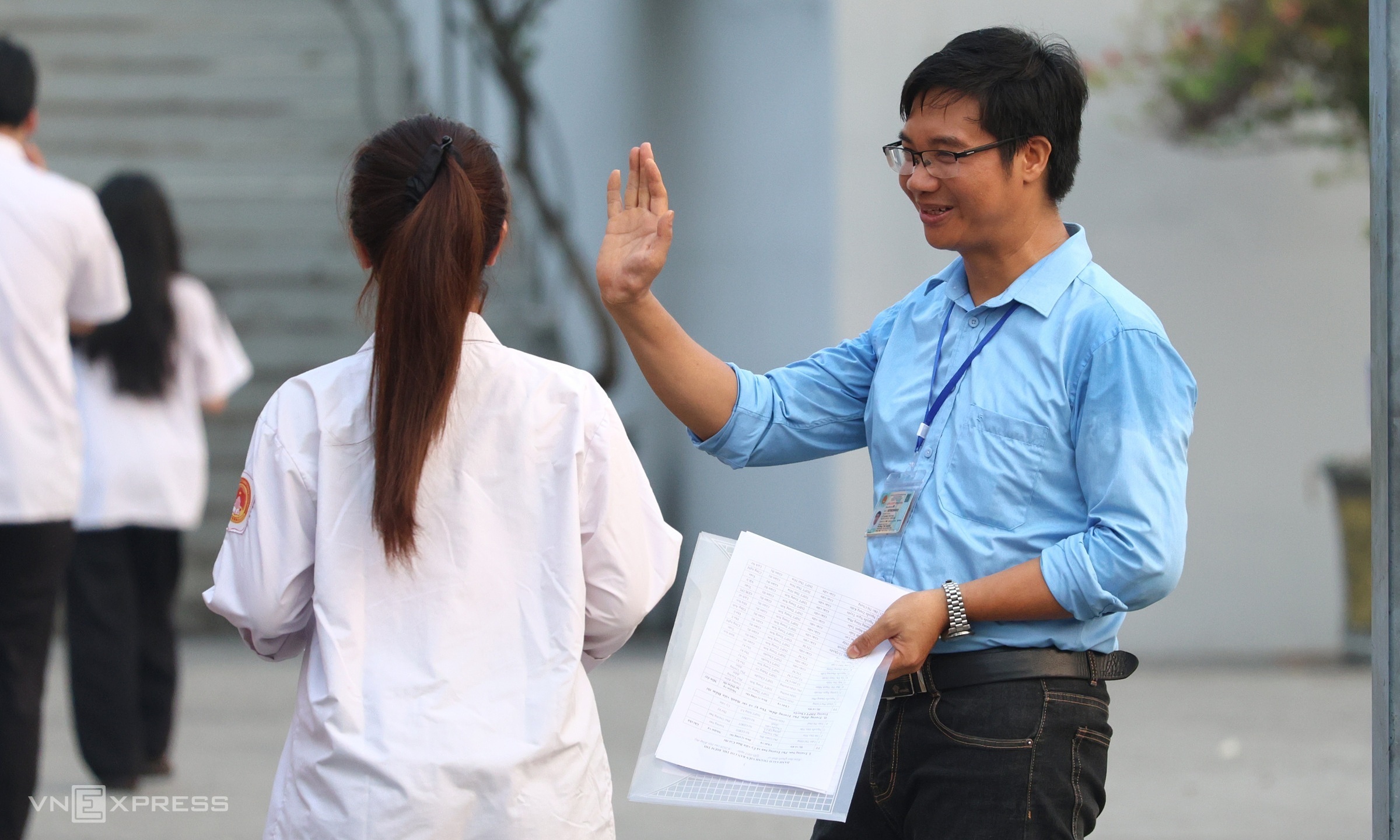
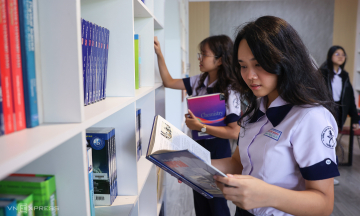
Students of Hanoi University of Science and Technology. Photo: HUST |
This year, Hanoi University of Science and Technology plans to enroll 9,700 students through three methods: talent-based admission, aptitude test scores, and high school graduation exam scores. While the university has not yet announced this year's tuition fees, last year's fees ranged from 28 to 90 million VND, with standard programs costing around 28-35 million VND.
Currently, Vietnam has over 770,000 students in STEM fields, accounting for 29% of the total student population. This figure is lower compared to other countries in the region and globally, such as Singapore (46%) and Malaysia (50%). The Ministry of Education and Training believes that scholarships under Decree 179 will motivate students to pursue STEM fields. Consequently, the human resources in these sectors are expected to increase over the next 3-5 years, aiming to comprise 35% of all students by 2030.
 |
Duong Tam