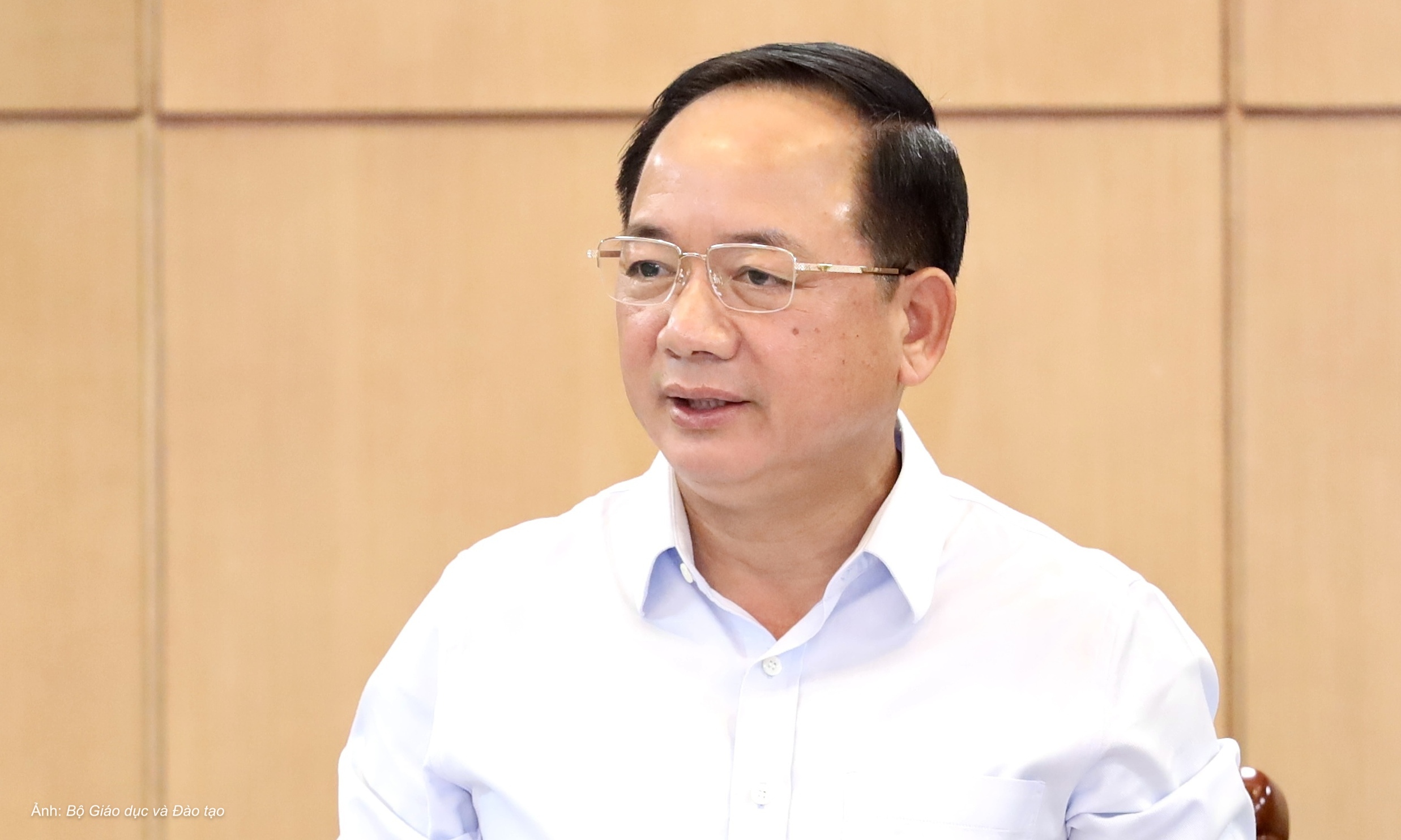
Minister of Science and Technology Vu Hai Quan on 27/8 presented two key proposals at the 2025-2026 academic year review conference: a new student credit policy and tax exemption and reduction for school meals.
The minister highlighted the limitations of current scholarship programs for students in STEM fields (Science, Technology, Engineering, Mathematics). While these scholarships are significant in encouraging students to choose these majors, they demand substantial budget resources, raising questions about sustainability if implemented widely. He noted that scholarship recipients may include students from financially comfortable backgrounds who do not genuinely require financial assistance.
Therefore, he argued that additional credit programs would offer a more sustainable and equitable solution. These programs would enable disadvantaged students to secure loans for tuition and other study-related expenses. This approach aligns with international practices and focuses capital on students with genuine needs, who commit to repayment after graduation, securing employment, and earning an income. The loan-repayment mechanism would also foster greater responsibility among students in their studies, encouraging efficient resource utilization and proactive investment in their future.
Regarding student welfare, Minister Quan also advocated for researching policies for tax exemption and reduction for businesses supplying meals to students. He suggested considering exemptions or reductions for contributions from school canteens.
This measure would allow businesses to increase spending on ingredients, nutrition, and service quality without significantly raising meal prices. Consequently, the policy could contribute to improving the nutrition, health, and learning conditions of students.
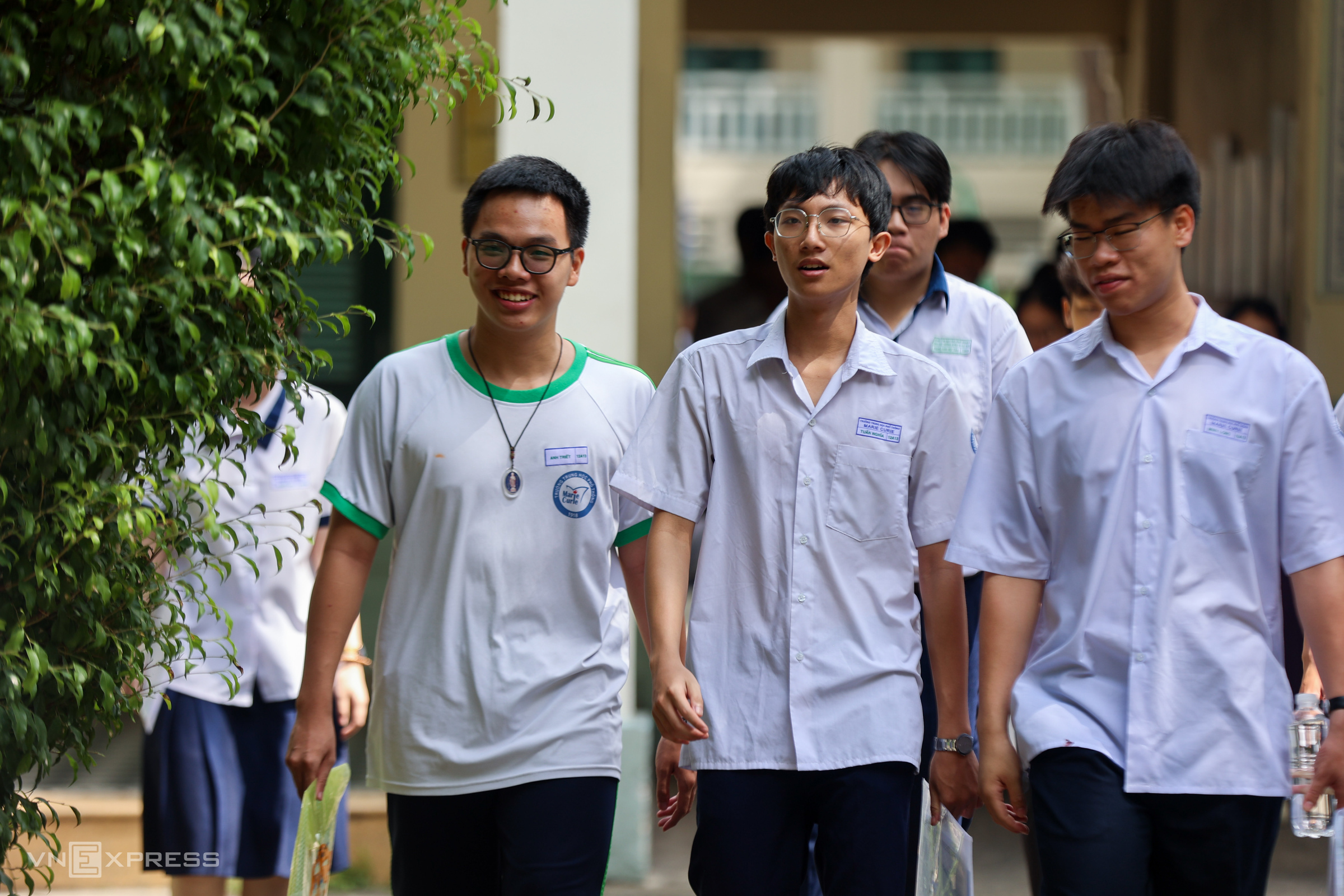 |
Students taking a graduation exam in TP HCM, 6/2026. *Photo: Quynh Tran*
Concluding the conference, Prime Minister Le Minh Hung acknowledged 8 significant achievements from the past academic year. These included expanded access to education and various support policies such as tuition fee exemptions and assistance, textbooks, meals, credit, scholarships, and aid for students in disadvantaged areas.
The Prime Minister also noted positive advancements in higher education, vocational training, and high-quality human resource development. Over 53% of university applicants registered for STEM fields, and enrollment targets for 15 key basic science, engineering, and strategic technology groups increased compared to previous years.
For the new academic year's key tasks, the Prime Minister directed the Ministry of Finance to prioritize budget allocation for urgent, central, and critical tasks, including supporting disadvantaged learners.
Additionally, the Ministry of Finance was directed to immediately implement a full corporate income tax exemption for entities providing meals to schools and hospitals. This measure aims to contribute to quality assurance.
Tu Linh