These provisions are part of Government Decree 176/2026, outlining preferential policies for lecturers, students, master's students, doctoral researchers, and management staff in the nuclear power sector. The decree takes effect on 7/7.
Specifically, learners who commit to working at nuclear power plants after graduation will be eligible for these preferential policies.
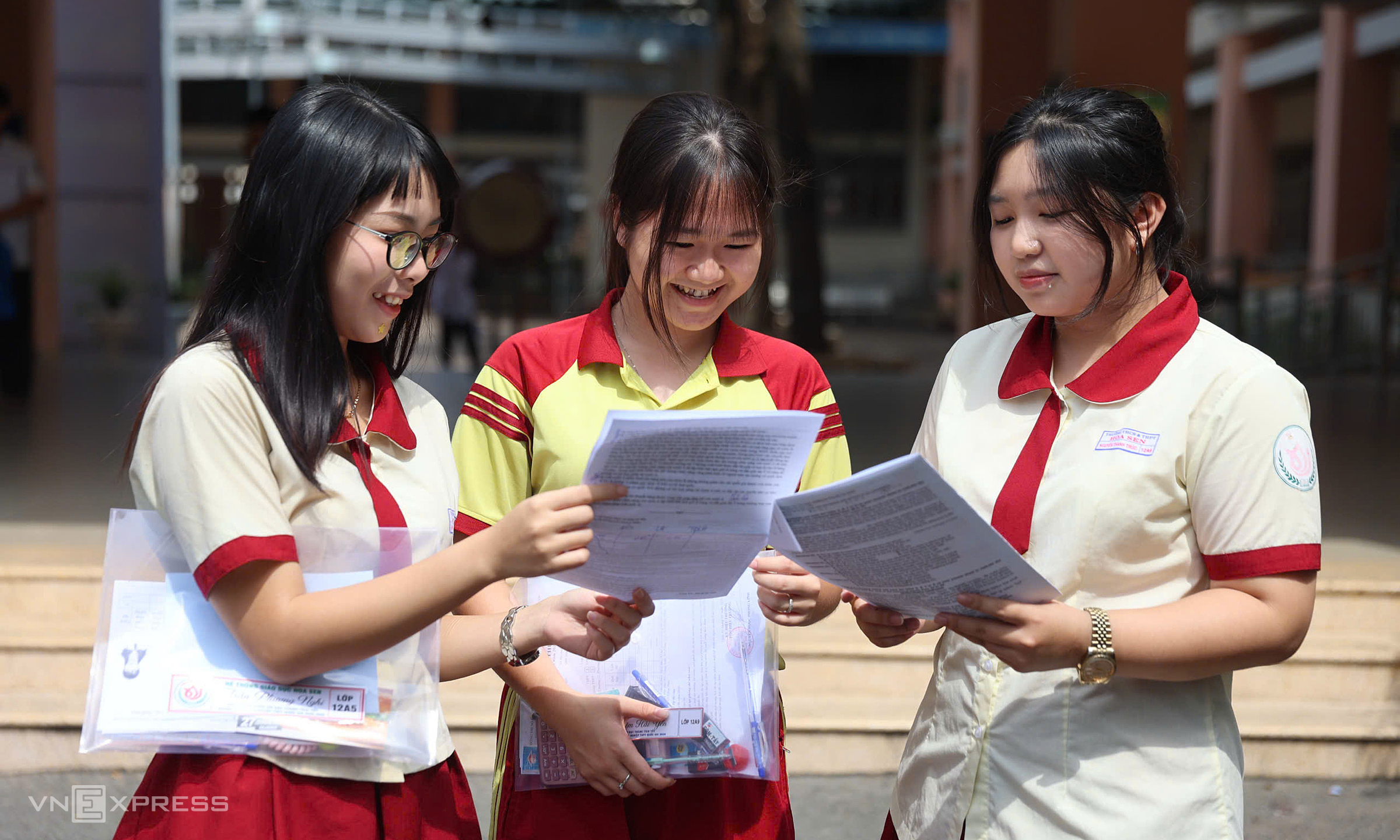
Undergraduate and college students specializing in nuclear power will receive tuition waivers and free dormitory accommodation. Additionally, they will be granted a monthly living allowance equivalent to two times the base salary, for no more than 10 months annually.
Currently, the base salary is 2,34 million VND, but it will increase to 2,53 million VND from 1/7. This means students will receive over 5 million VND in living allowance each month.
Furthermore, these students are eligible for incentive scholarships ranging from 1,5 to 2,5 times the base salary (3,8-6,3 million VND), depending on academic performance classified as good, excellent, or outstanding. Scholarships are awarded per semester, with evaluations conducted twice per academic year.
They will also receive free nuclear power textbooks, priority for short-term internships both domestically and internationally if they achieve excellent grades in their final year, and guaranteed employment at nuclear power plants.
Students in specializations related to nuclear power plant operations will receive similar support. However, their incentive scholarships will be lower, ranging from 0,75 to 1,25 times the base salary, depending on their academic performance (good, excellent, or outstanding).
Previously, among civilian academic fields, only pedagogy students received tuition waivers along with a monthly living allowance of 3,6 million VND.
Master's students and doctoral researchers will also receive tuition waivers and free dormitory accommodation. For living allowances, master's students will receive 3,5 times the base salary, while doctoral researchers will receive 5 times, amounting to nearly 8,9 million VND and 12,65 million VND, respectively.
This group is also eligible for funding to attend conferences and undertake short-term internships both domestically and internationally. They will receive priority in leading scientific and technological projects, and preferential selection for positions in state agencies and organizations within the atomic energy sector and nuclear power plants.
For those studying abroad, the state will provide support for airfare, travel expenses, health insurance, and a monthly living allowance equivalent to 1,5-2 times the highest rate currently provided to students studying under government programs. Currently, the living allowance for students studying abroad under agreements ranges from approximately 270-585 USD per person per month, depending on the country.
Additionally, this group will receive a minimum monthly living expense support of 300 USD from the nuclear power plant investors.
11 universities and colleges train nuclear power personnel
In may, the Prime Minister approved a project titled "Training and Fostering Human Resources for Nuclear Power Development until 2035". This project estimates the human resource requirement for the Ninh Thuan 1 and 2 nuclear power plants to be nearly 4,000 people by 2030.
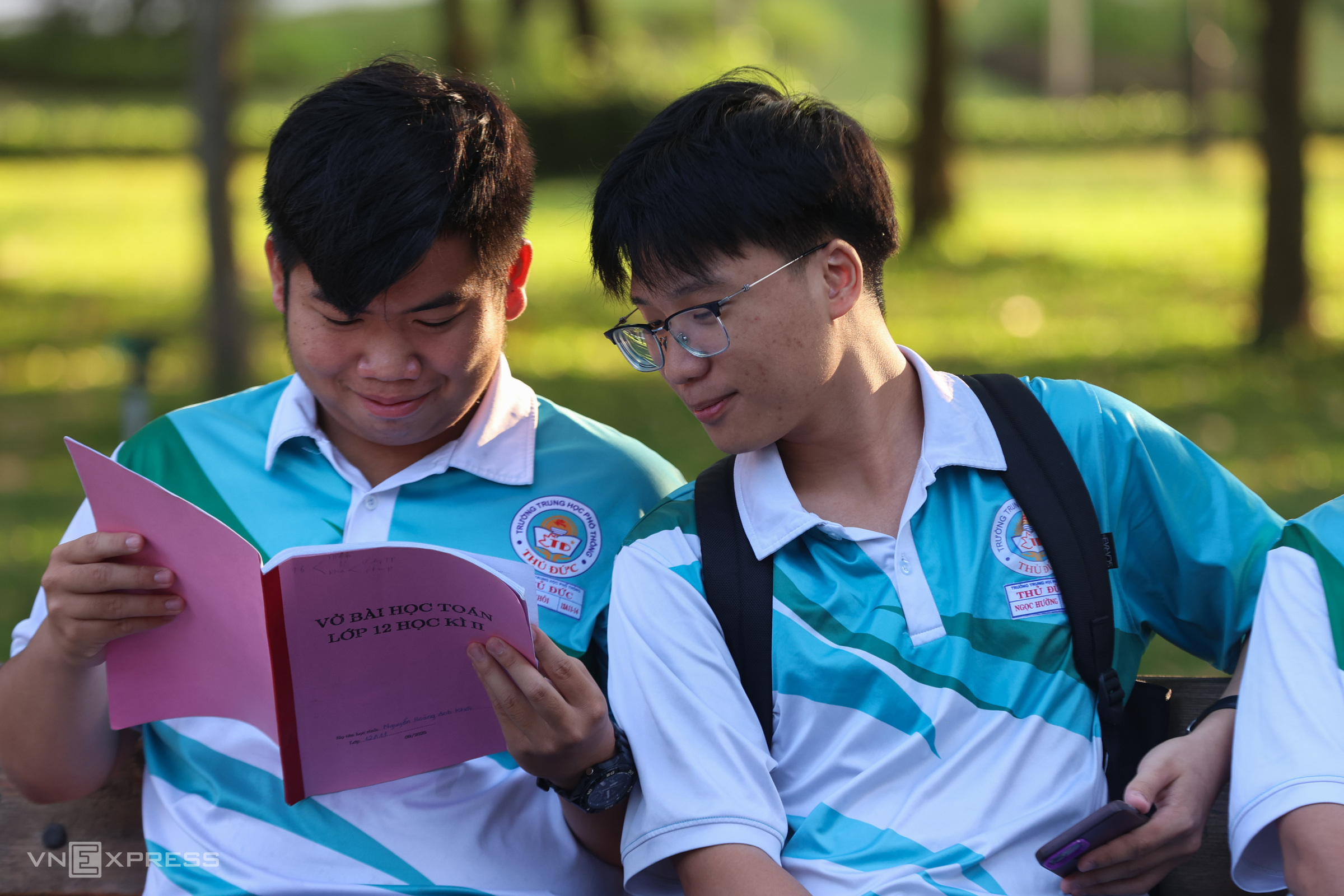 |
Candidates taking the competency assessment exam at Vietnam National University, Ho Chi Minh City in april. Photo: Quynh Tran |
Duong Tam