The Association of International Educators (NAFSA) and education technology company JB International released this forecast on 12/8 in their study, "Fall 2026 International Enrollment Outlook and Economic Impact".
Based on a quick survey by the Institute of International Education (IIE), the number of international students enrolled for the upcoming fall semester is estimated to decrease by 9,5% compared to the same period, equivalent to 110,000 individuals.
This reduction means the US will lose USD 3,4 billion in direct economic contribution, impacting nearly 40,000 jobs that were sustained or created by international student spending.
By the end of the 2024-2025 academic year, approximately 1.18 million international students from over 200 countries and territories came to the US, contributing USD 55 billion to the economy.
Experts point to several reasons for this trend: reduced demand for studying in the US, disruptions in student visa processing, and a scarcity of interview appointments in India, Trung Quoc, and across Europe.
The decline in postgraduate enrollment is a primary cause of the economic loss. Applications from international students for doctoral research programs this fall have decreased by 21%.
The study also highlights the long-term negative impact of new regulations from the US Department of Homeland Security regarding international students' length of stay, coupled with continuous immigration tightening plans targeting the Optional Practical Training (OPT) program. These measures increase insecurity, diminishing the US's appeal to potential international students.
Researchers note that as the US closes its doors to international talent, other countries will benefit. Currently, international students constitute only about 6% of the total student population in the US. In contrast, according to IIE, this percentage is significantly higher in the UK (27%), Australia (31%), and Canada (38%).
On the NAFSA website, Fanta Aw, the organization's Chief Executive Officer, stated that losing its position as the world's leading destination for global talent not only harms students, hospitals, laboratories, and the economy, but also risks the next major invention not originating on US soil.
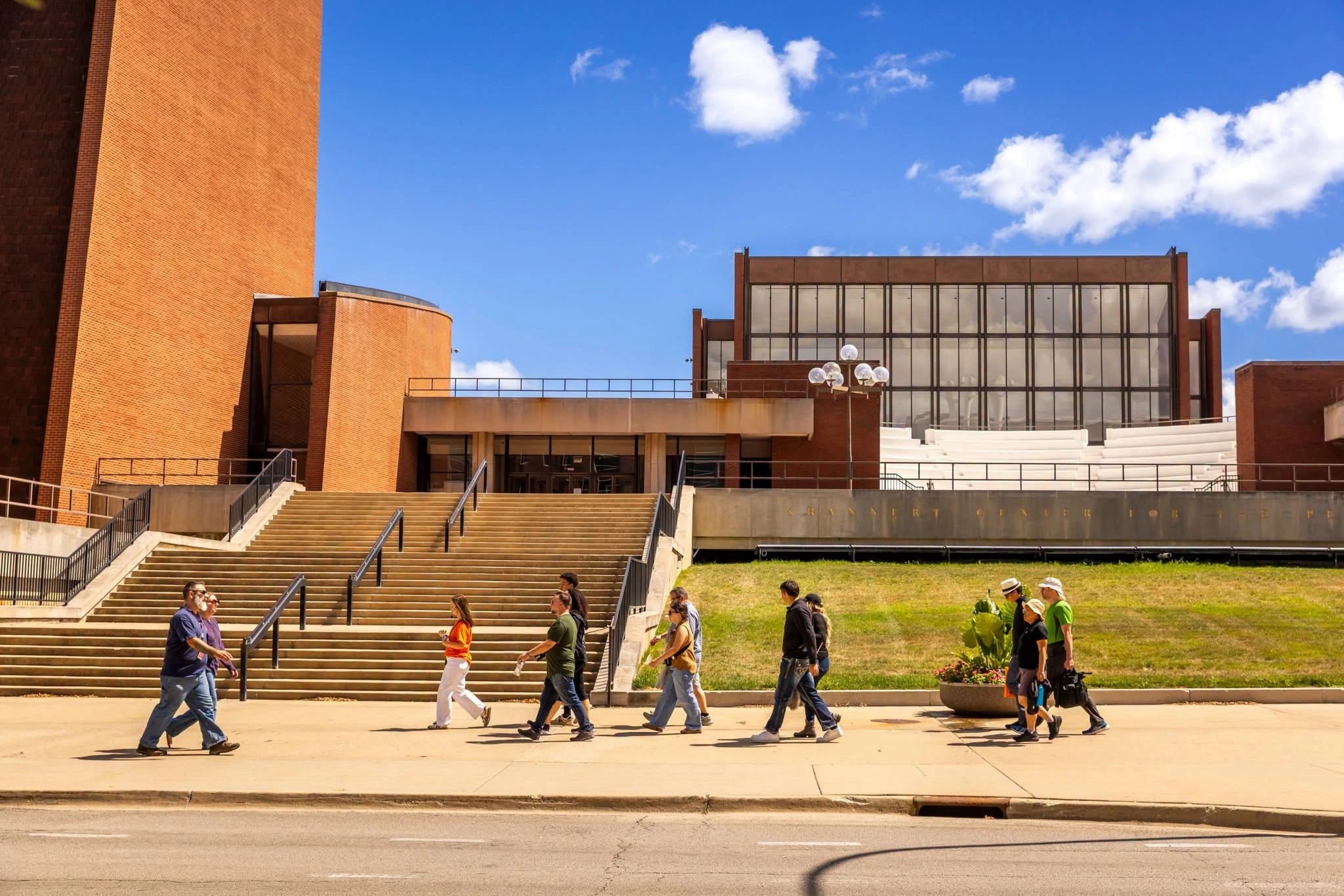 |
A view of the University of Illinois Urbana-Champaign campus, US. Photo: University Fanpage |
Khanh Linh