The book, divided into five chapters, compiles the author's reflections on social relationships. It delves into the fundamental question: Are "relationships" still the pivotal factor determining individual success? The author systematically examines familiar themes such as the significance of connection, the dynamics of introversion and extroversion, and the communal culture that binds people. The book also weaves in stories of notable figures, including actress Hoang Ha, musician Kai Dinh, and director Viet Tu, to illustrate how individuals forge their life philosophies and establish a suitable presence.
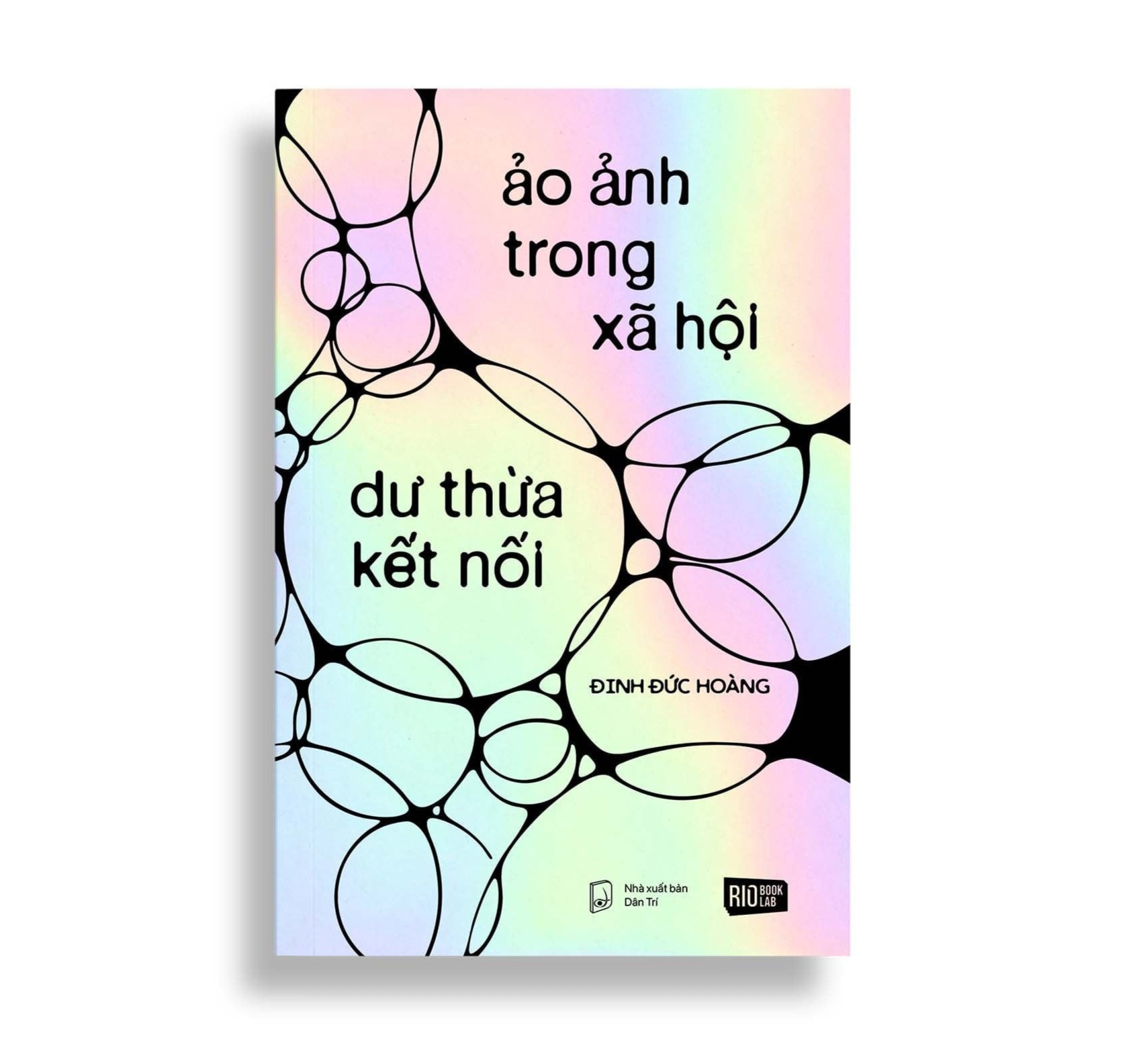 |
Book cover "Illusions in a society of excessive connection". Photo: RIOBook
Each chapter begins with an "Illusion"—a common belief about oneself and connection—which is then juxtaposed with a contrasting "Hypothesis". This approach encourages readers to self-reflect or engage in critical thinking. For instance, in the chapter "The Pretending Introvert", the book addresses the widespread misconception that isolating oneself to browse the internet is a form of self-care and knowledge enrichment. However, the author offers a counter-perspective: The virtual world is, in essence, a vast and more chaotic "marketplace" than real life. This suggests that such online engagement is not quiet introspection but merely a shift from one noisy environment to another distracting space.
The author recounts a period when he mistakenly believed that "relationships are number one". This led him to participate in continuous drinking sessions, sometimes for 60 consecutive days, all to maintain connections. He later realized that while those days weren't entirely meaningless, he should have allocated more time for solitude, reading, learning, skill development, and earning more money, rather than constantly raising a glass.
This realization led Dinh Duc Hoang to emphasize the role of independent thinking as a "stance that must be preserved". In a volatile economic landscape, where borrowed experience from relationships is no longer sufficient, the abilities to remember, observe, and exercise patience, along with the introspective question "Who am I?", become core pillars of support. For survival, individuals and organizations must proactively seek both questions and answers, rather than depending on external support or connections.
However, according to the author, this proactivity is increasingly becoming a luxury, as modern individuals easily fall into the trap of excessive connection. To overcome algorithms designed to be addictive, we must define clear objectives before entering digital spaces. Instead of allowing machines to guide us based on old habits, each person needs to actively "seek out what you know you don't know," venturing into areas of knowledge previously unimagined.
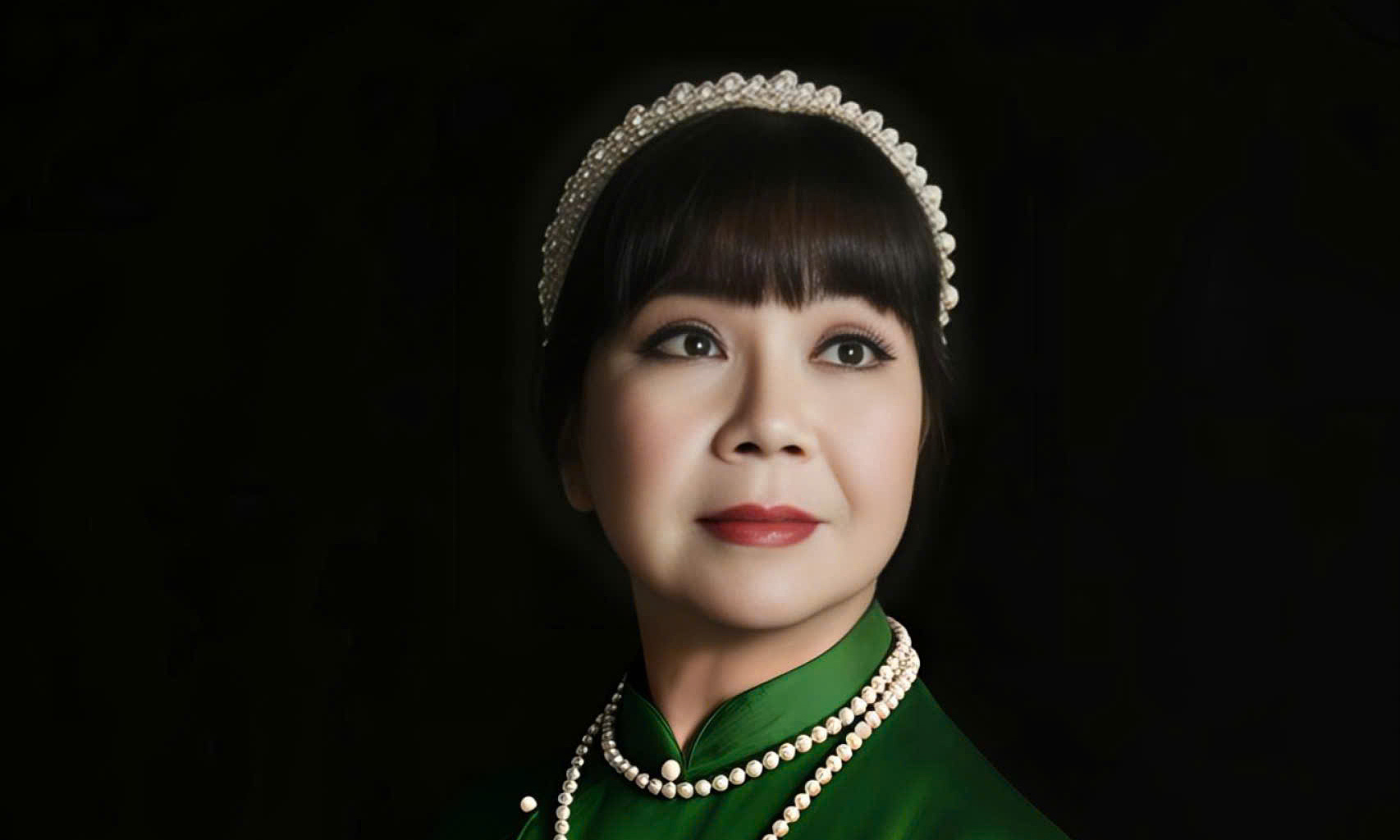
The book also reveals the author's empathy for introverts, stemming from his own experience of living a reclusive life. Dinh Duc Hoang highlights the benefits of living deeply and cultivating introspection. He shares the story of Hoang Ha, who played Dao Anh in the film *Em va Trinh*. Hoang Ha did not excel at connecting with others, spending most of her time thinking, acting alone, and nurturing her inner world. This quality impressed director Phan Gia Nhat Linh, who cast her, describing it as the beauty of someone who reads and appreciates literature, a person capable of discussing characters in a way "that cannot be merely acted".
Furthermore, the author suggests a path, encouraging individuals to find balance through an ambivert personality. According to him, whether one is an introvert or an extrovert is less important than establishing clear personal principles and boundaries for oneself and in relationships. This approach allows a person to maintain connection with the world without losing their unique identity.
On LinkedIn, reader Mia Vo expressed empathy for the author's arguments. She believes individuals should rely on themselves, asserting that the most challenging skill is not connecting with others at all costs, but knowing when to say "yes" or "no" to filter out "noise" and illusions. She quotes her favorite line from the book: "Relationships are merely a finite ingredient for your self-development. You might mine 1,000 tons of aluminum ore, but if you only have 10 kg of steel, you can still only produce one motorbike."
Author Dinh Duc Hoang, 35, hails from Hai Phong. He has held numerous positions across state agencies, non-governmental organizations, international bodies, and private corporations. Currently, he serves as Deputy Director General of the UNESCO Center, where he oversees projects documenting cultural and social transformations in Vietnam during the 21st century. In his books and scripts, Dinh Duc Hoang consistently focuses on issues and individual stories often overlooked by mainstream media.
Khanh Linh