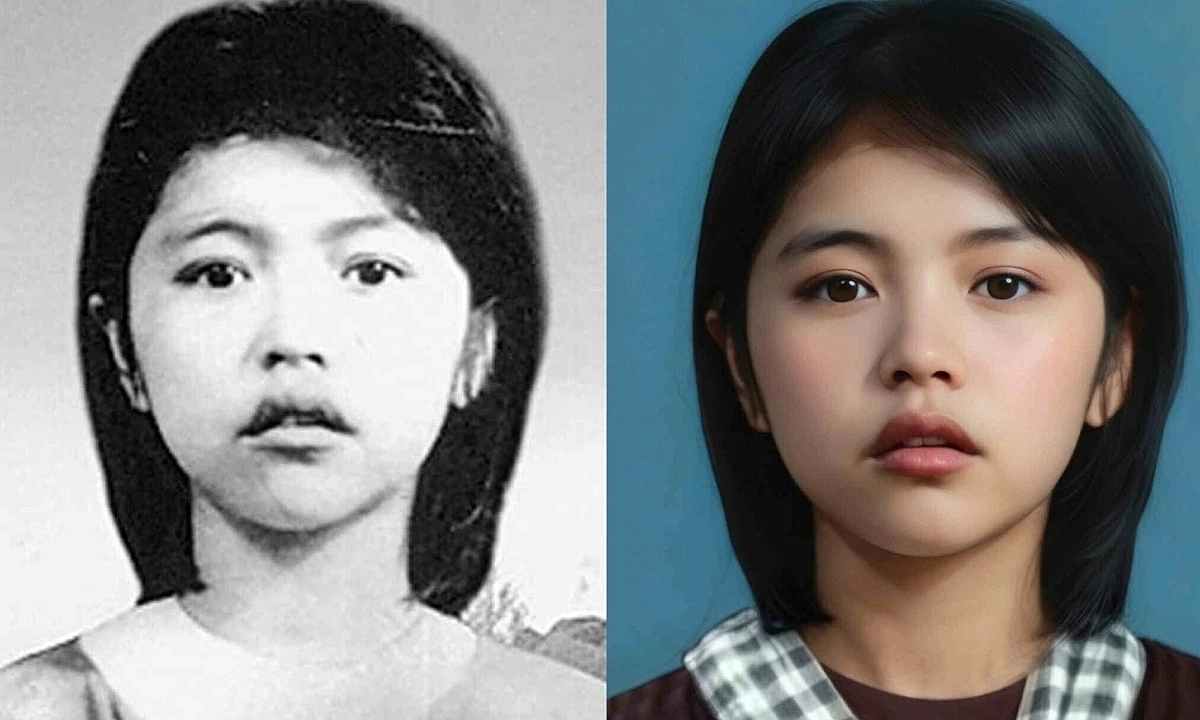
According to The Japan Times, a representative for Koji Suzuki's publisher confirmed his death at a Tokyo hospital on 8/5. The cause of death was not disclosed. On social media, many fans posted tributes, sharing images of Sadako, the ghost character from the film adaptations of his horror novel "Ringu" (Ring), as a way to remember the writer.
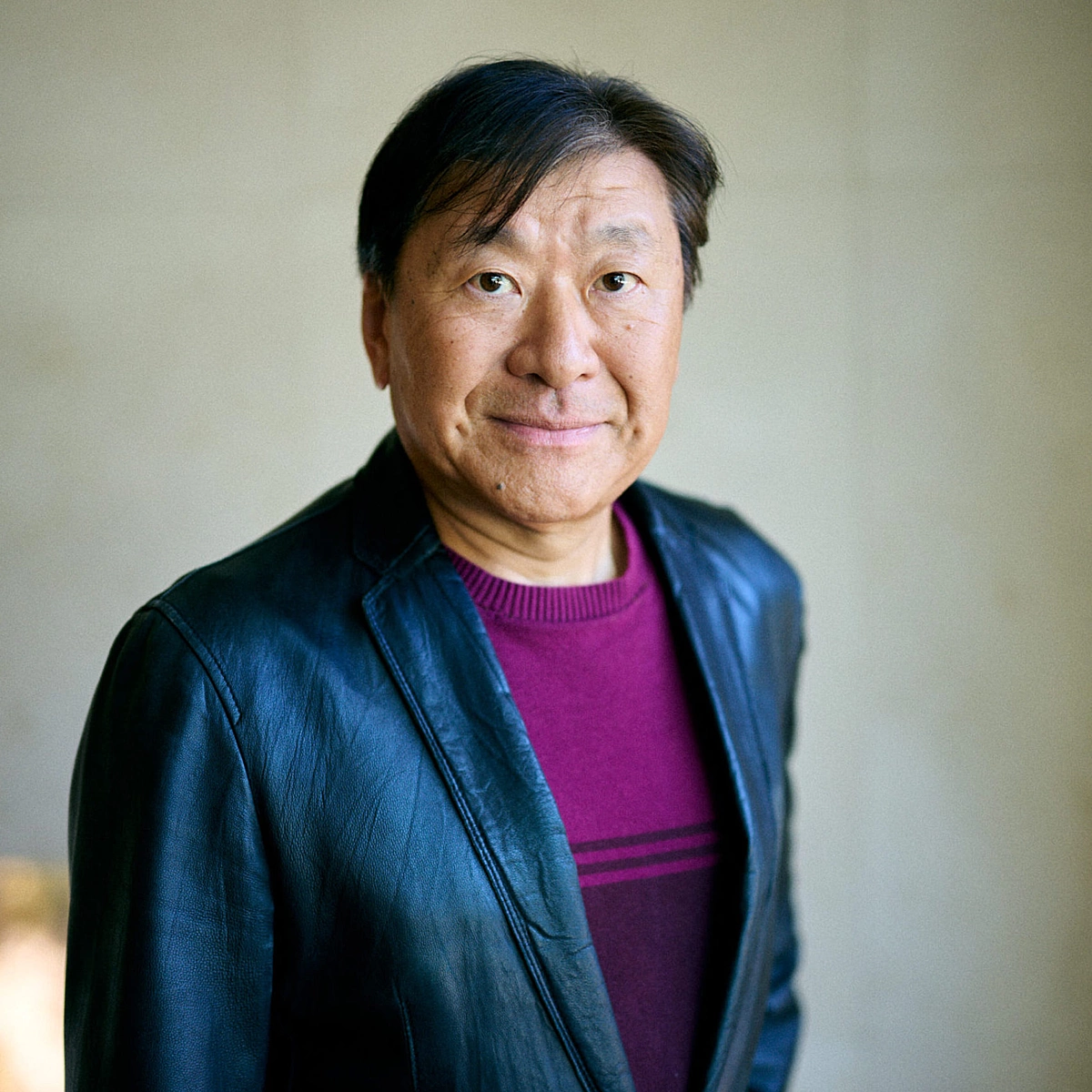 |
A portrait of writer Koji Suzuki. Photo: Japan Society |
Born in Shizuoka province in 1957, Koji Suzuki was widely regarded as the "Stephen King of Japan". His numerous works significantly contributed to the widespread popularity of J-horror, the modern Japanese horror film and cultural genre. After graduating with a degree in French from Keio University, he published his debut fantasy novel, "Rakuen" (Paradise), in 1990. In the same year, he won the Superior Award at the Fantasy Novel Award ceremony.
In 1991, Koji Suzuki made waves in the literary world with the release of his horror novel "Ring". The story centers on a cursed video tape that causes viewers to die exactly 7 days after watching it. The work became a bestseller and was recognized as a horror literary masterpiece in Japan. The Vietnamese version was titled "Ring - Vong tron ac nghiet".
"Ring" was first adapted into a television series in 1995. Three years later, his story gained further acclaim when director Nakata Hideo adapted it into a feature film. One of the most iconic scenes features Sadako crawling out of a television screen. The film's immense popularity cemented Koji Suzuki's status as a leading figure during Japan's horror boom.
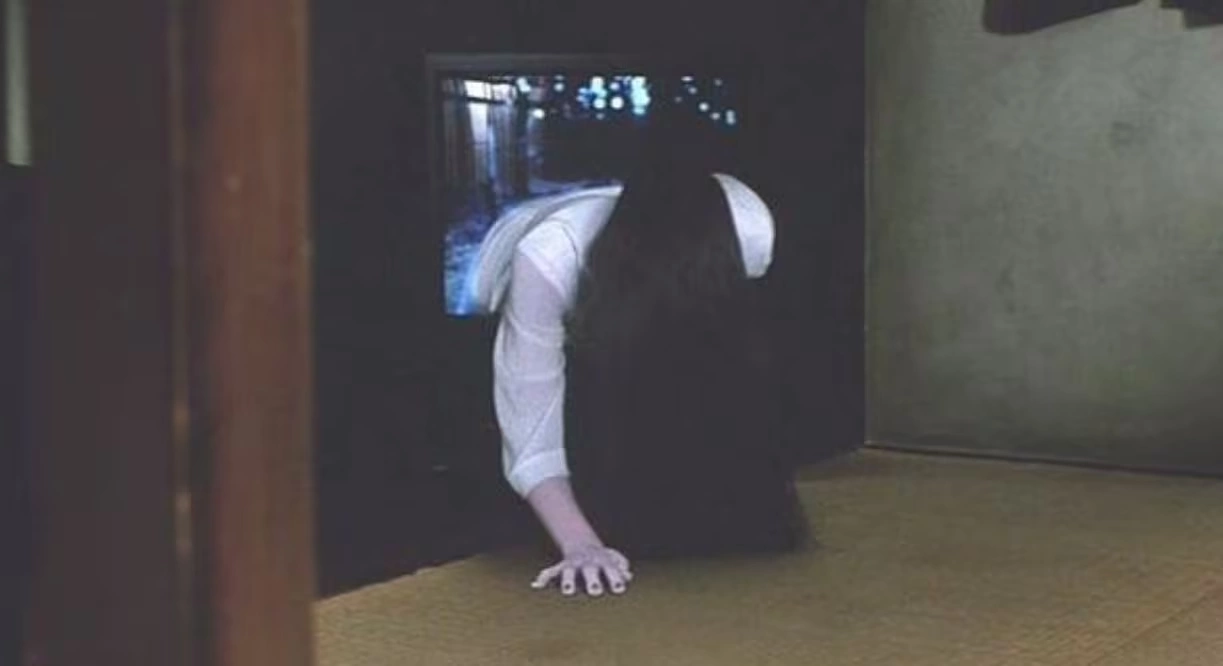 |
One of the famous scenes from "Ring" (1998). Photo: Newsis |
In 2002, Suzuki gained international fame when Hollywood remade the film as "The Ring", starring Naomi Watt. According to Strait Times, the American version became a global sensation by utilizing slow-motion shots and psychological suspense to keep audiences on edge, rather than relying on gore. Beyond films, his characters also appeared in comic books and video games.
Koji Suzuki consistently wrote throughout his career, releasing his most recent novel, "Ubiquitous", in 2025. In addition to his standalone works, he expanded the "Ring" universe with two sequels, "Spiral" (1995) and "Loop" (1998), followed by the short story collection "Birthday" (1999), "S" (2012), and "Tide" (2013).
In a Metro interview in the early 2000s, Koji stated that he did not outline his content before writing, preferring to follow inspiration. "Ring" came about when he felt he could create a groundbreaking and interesting work. "I don't like horror films or stories. In fact, my major was French. So, I wrote this book purely out of inspiration, nothing else. I had no intention of writing horror stories", the author added.
In 2013, Koji Suzuki became the first Japanese writer to win America's Shirley Jackson Award in the horror and fantasy category for his work "Edge". In 2021, he received the Bram Stoker Award for Lifetime Achievement. In his personal life, he was married to a teacher and had two daughters. According to Chosun, he was known in literary circles as a devoted father. In his younger years, he would always take his children to and from school, often in place of his wife. He also wrote numerous essays about household management and raising his children.
Phuong Thao (according to Japan Times, NHK, Strait Times)