On 16/5, The Guardian unveiled its list of the top 100 greatest novels published in English, compiled from the votes of 172 writers, critics, and scholars. It came as no surprise to the editorial team that "Middlemarch" topped the ranking, as the work has captivated readers since its debut over a century ago.
The novel was originally published in eight installments, released sequentially from 1871 to 1872. George Eliot was the pen name of English writer Mary Ann Evans (1819-1880). She adopted a male pseudonym to ensure her literary work was judged impartially, free from gender bias. In Vietnam, the book is divided into two volumes, retaining its English title, with content translated by Anh Hoa and published by the Writers' Association Publishing House and Dong Tay Culture Co., Ltd. in 2022.
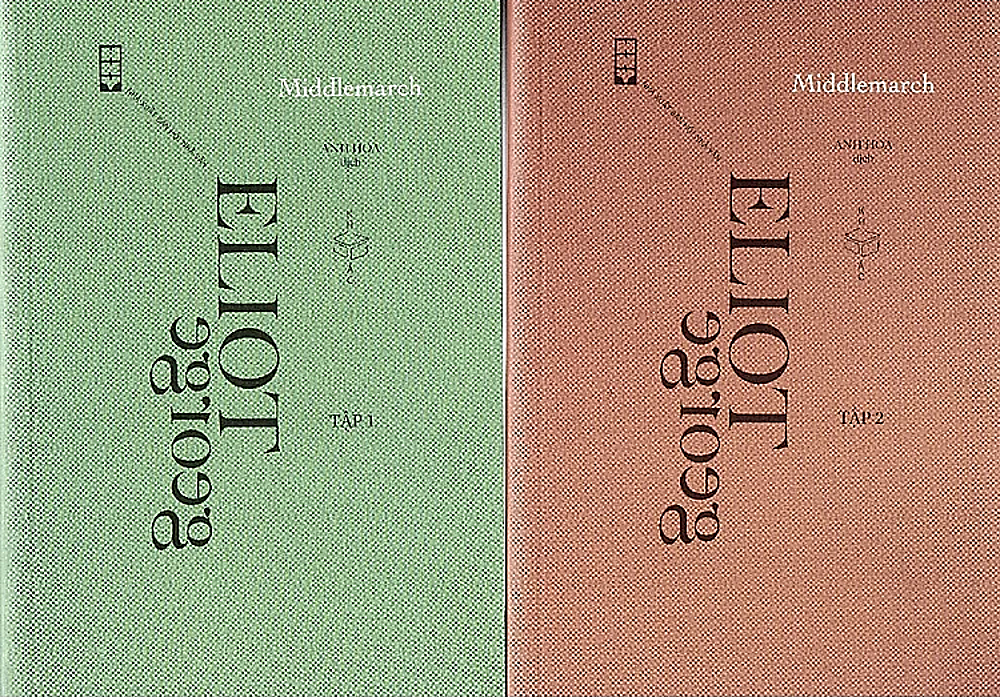 |
The Vietnamese edition cover of "Middlemarch". *Photo: Writers' Association Publishing House* |
The story is set in the fictional town of Middlemarch in rural England, preceding the Reform Act of 1832 and the advent of the railway. Within this setting, residents grapple with societal transformations while also being bound by prejudices surrounding marriage, ambition, and compassion. The central character is Dorothea Brooke, a 19-year-old woman who yearns for a life of purpose but becomes disillusioned after marrying a selfish, dry scholar.
The author begins the narrative with a failed marriage, leading Dorothea through significant pain and disappointment. Ultimately, however, Eliot allows her to retain her morality and kindness, enabling her to achieve many good deeds. By placing an intelligent young woman at its core, George Eliot redefined the landscape of English fiction. The character of Dorothea is considered to have laid the groundwork for complex figures such as Mrs. Dalloway in Virginia Woolf's novel of the same name, and the introspective women found in Sally Rooney's contemporary stories.
Beyond Dorothea, the novel also tells the story of Tertius Lydgate, an ambitious young doctor from outside the region who gradually loses his ideals and enters an unhappy marriage with a beautiful village woman. The author initially intended to publish these narratives as two separate volumes. The Guardian noted that their eventual combination resulted in "a complex epic, exploring the nature of career and marriage, ambition and creativity, selfishness and community spirit amidst changing political, social, and technological contexts."
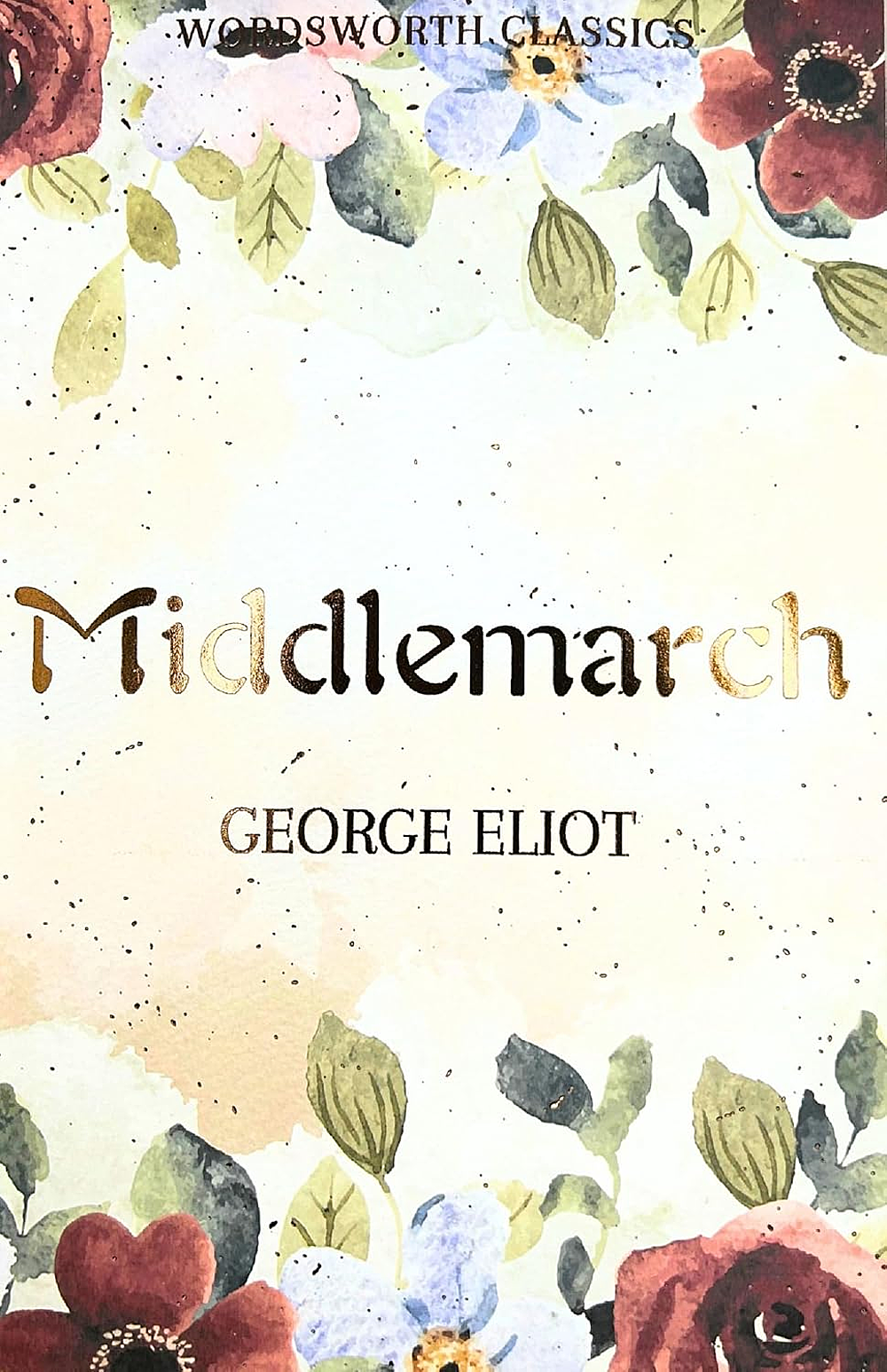 |
The English cover of "Middlemarch". *Photo: Wordsworth Editions Ltd* |
Many prominent literary figures, including Henry James and Martin Amis, have expressed admiration for George Eliot's worldview. Virginia Woolf once remarked that "Middlemarch" is "one of the few English novels for adults", while poet Emily Dickinson wrote: "What do I think of Middlemarch? What do I think of glory?".
Prior to The Guardian's recognition, the novel featured in numerous global book rankings, such as Telegraph's top 100 novels to read in 2009, and the Norwegian Book Clubs' 100 greatest books of all time in 2010. In 2015, the BBC ranked the work as the top one hundred greatest British novels of all time.
In his 2015 article, "Why Middlemarch is the greatest British novel", journalist Michael Gorra stated that the book helps readers understand themselves, discovering aspects they never knew or perhaps didn't wish to confront after engaging with George Eliot's profound prose.
In addition to works originally written in English, The Guardian's list also includes several books translated from other languages, such as "Don Quixote" by Miguel de Cervantes and "The Vegetarian" by Han Kang. Other notable titles appearing in the ranking include Virginia Woolf's "To the Lighthouse" (4th), Leo Tolstoy's "Anna Karenina" and "War and Peace" (ranked 6th and 7th respectively), and Jane Austen's "Pride and Prejudice" (ranked 9th).
George Eliot (1819-1880) was a renowned English writer of the Victorian era. Throughout her career, she authored seven novels, numerous poems, and short stories. In Vietnam, some of her books have been translated into Vietnamese, including "Silas Marner" (1861) and "The Mill on the Floss" (1860).
Trinh Lam (according to The Guardian, BBC, The Conversation)