A workshop on combating online copyright infringement, organized by the Japan Cultural Affairs Agency and the Copyright Office (Ministry of Culture, Sports and Tourism of Vietnam), took place on the afternoon of 30/7 in Hanoi.
Kobayashi Katsuyoshi, Director of the International Copyright Office (Japan Copyright Office), stated that by 2025, Japan's digital content products—including video, publishing, music, and games—are projected to incur losses of approximately 35,7 billion USD due to copyright infringement, three times the amount in 2022. Publishing is the most severely affected sector, with estimated losses of 16,3 billion USD (compared to 5 billion USD in 2022), primarily related to manga.
Among websites infringing manga copyright, English-language sites account for the largest share, followed by Japanese, with Vietnamese-language sites ranking third, even surpassing Chinese.
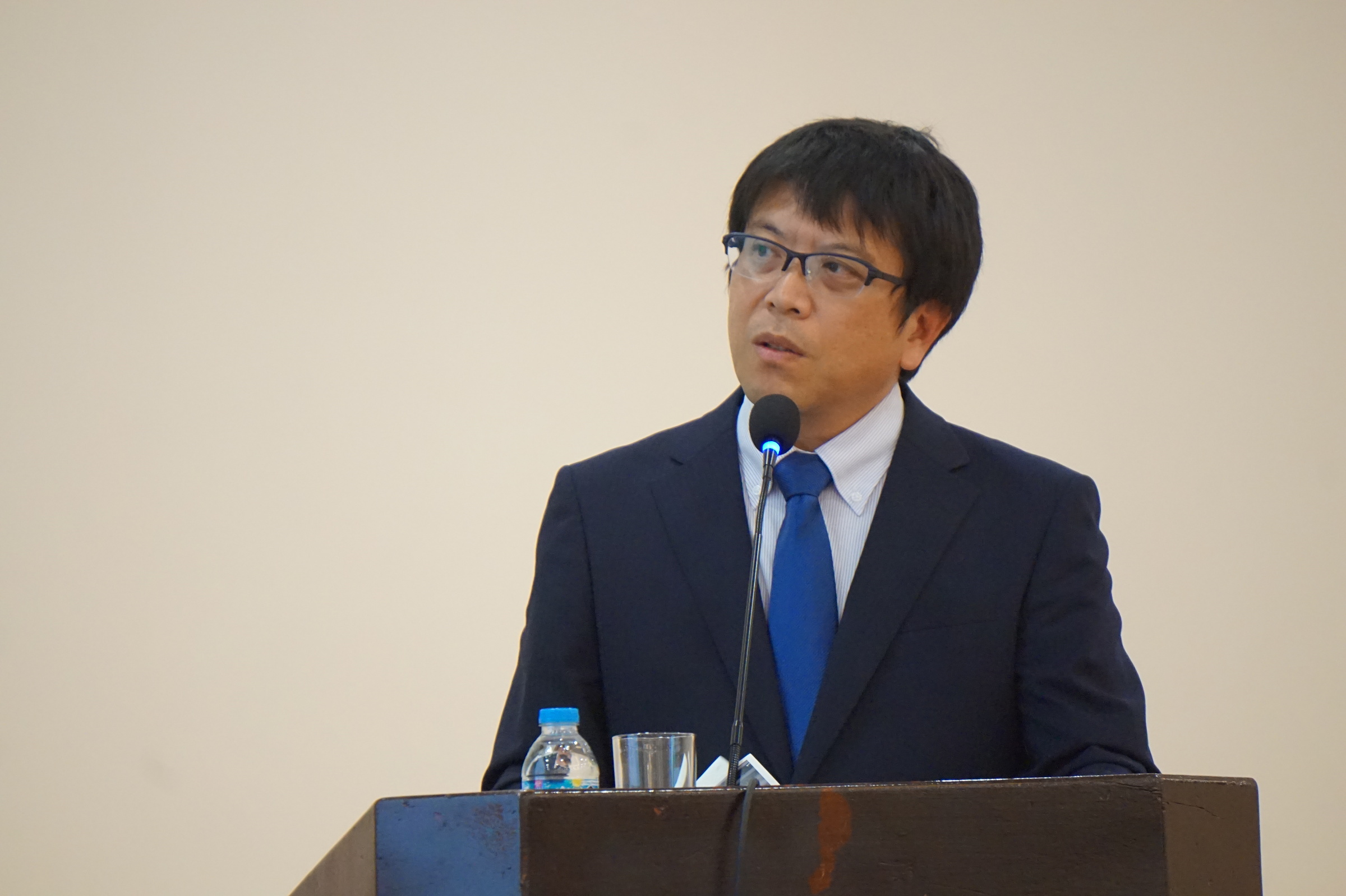 |
Kobayashi Katsuyoshi, Director of the International Copyright Office under the Japan Copyright Office. *Photo: Hoang Huong*
Ito Atsushi, an advisor to the General Manager's Office at Shueisha Publishing and Secretary-General of the ABJ Association (an inter-industry organization combating copyright infringement in Japan), reported that there are 108 pirated manga websites in Vietnamese out of over 900 total sites, a number significantly lower than English-language sites. However, he noted that Vietnamese individuals not only operate Vietnamese websites but are also behind many English and Japanese language sites.
"For every 10 detected sites, about eight are operated from Vietnam, including both English and Japanese language sites, not just Vietnamese. Currently, at least three of the top 10 websites translating manga into English originate from Vietnam. The estimated damages caused by these pirated manga websites amount to approximately 8.500 billion yen annually," Ito Atsushi stated.
To counter the issue of pirated manga websites, Kobayashi Katsuyoshi explained that Japan is not solely focusing on prosecuting individual infringing sites. Instead, it is implementing comprehensive measures to dismantle the entire ecosystem behind these operations. These solutions include: restricting user access to illegal content, tracking and prosecuting website operators, and blocking advertising revenue.
Meanwhile, Ito Atsushi emphasized that tracking down and criminally prosecuting operators is a key factor in preventing infringement. He noted that once those behind these websites are arrested, their ability to resume operations is almost eliminated, while also creating a deterrent effect on others.
He cited the Mangamura case, one of the pirated manga websites that caused significant damage in Japan during the 2017-2018 period. The site's operator, residing in Japan, was arrested after Shueisha Publishing filed a report and was sentenced to three years in prison. In the civil trial, a coalition of Japanese publishers won the lawsuit and was awarded 1,7 billion yen in compensation. According to Ito Atsushi, after this case, Japan has seen a near elimination of copyright-infringing manga website operators.
Tran Hoang, Director of the Copyright Office, expressed a desire to collaborate with experts to promote copyright protection enforcement, especially for digital content. "The rise of illegal copying, unauthorized dissemination, and content distribution on digital platforms and cross-border websites necessitates further institutional improvement, technology application, and innovation in coordination mechanisms for copyright protection and enforcement," Tran Hoang stated.
Hoang Huong