On 15/6, Dr. Nguyen Minh Tien, deputy director of Children's Hospital of Ho Chi Minh City, stated that the patient was admitted in a lethargic state, with a fever of 39 degrees Celsius, drowsiness, and limb tremors. Doctors determined the child had progressed to grade 3 hand, foot, and mouth disease, a stage characterized by dangerous neurological complications.
Test results showed the patient had mildly elevated liver enzymes, metabolic disorders, and elevated blood lactate. Notably, MRI scans confirmed damage to the child's brainstem region.
The disease progression began one week prior when the child developed a fever of 38,5 degrees Celsius and a red rash on her hands and feet. Although initially diagnosed as grade 1 at a private clinic, by the second day, the child had a high fever of 40 degrees Celsius, and the rash spread to her knees and elbows. By the fifth day, her condition significantly worsened; she complained of tired legs, displayed a staggering gait, and experienced frequent startled movements and limb tremors during sleep.
Upon admission, medical staff administered oxygen therapy, sedatives, anticonvulsants, and intravenous immunoglobulin (IVIG). As the child continued to have a high fever of 40 degrees Celsius, was delirious, and had a rapid pulse, doctors decided to administer a second dose of IVIG while working to correct electrolyte and acid-base imbalances. A subsequent rectal swab PCR test result was positive for Enterovirus, identified as the cause of this illness.
After one week of intensive resuscitation, the patient became conscious and alert, able to walk normally on her own before being discharged.
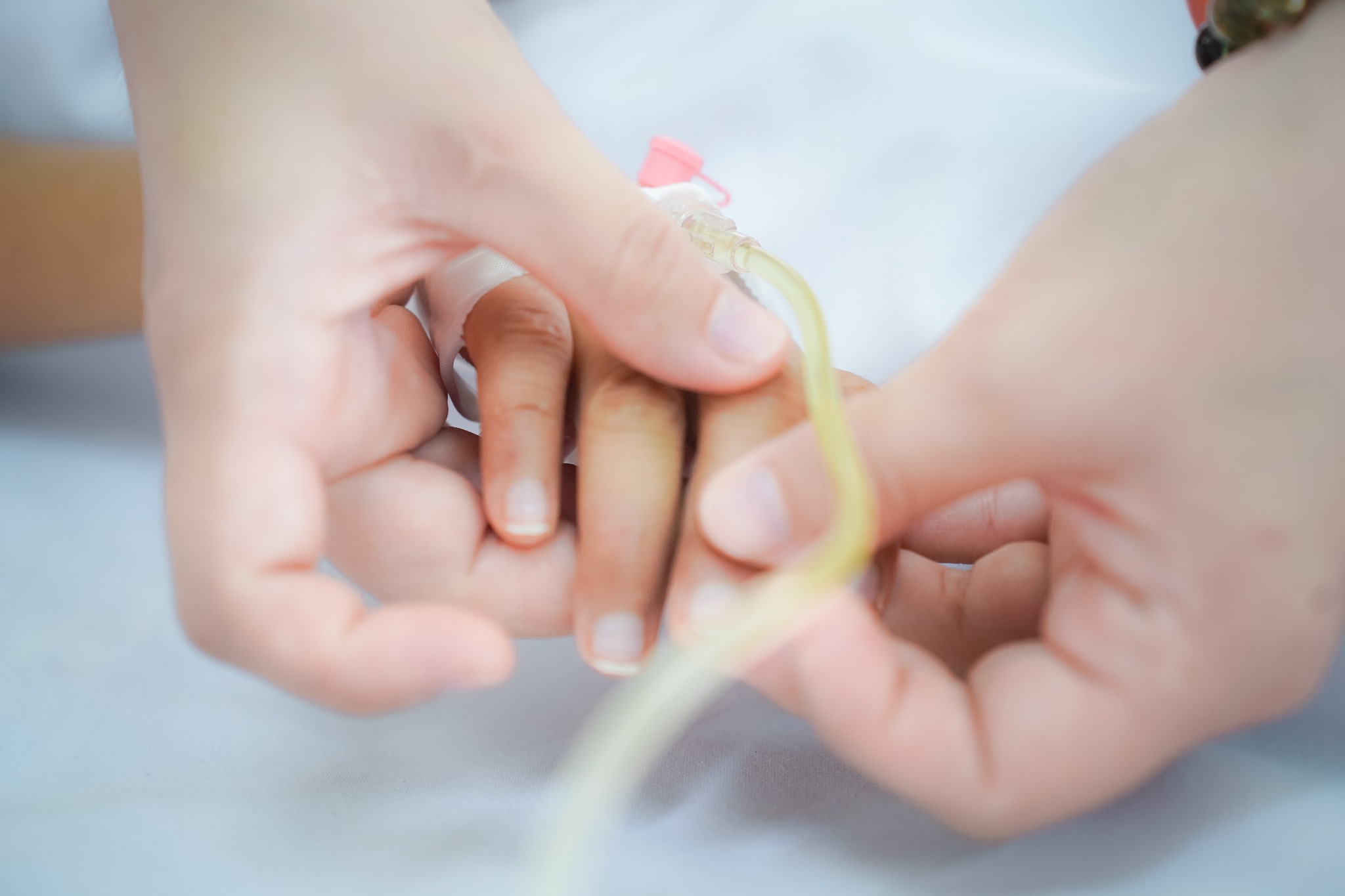 |
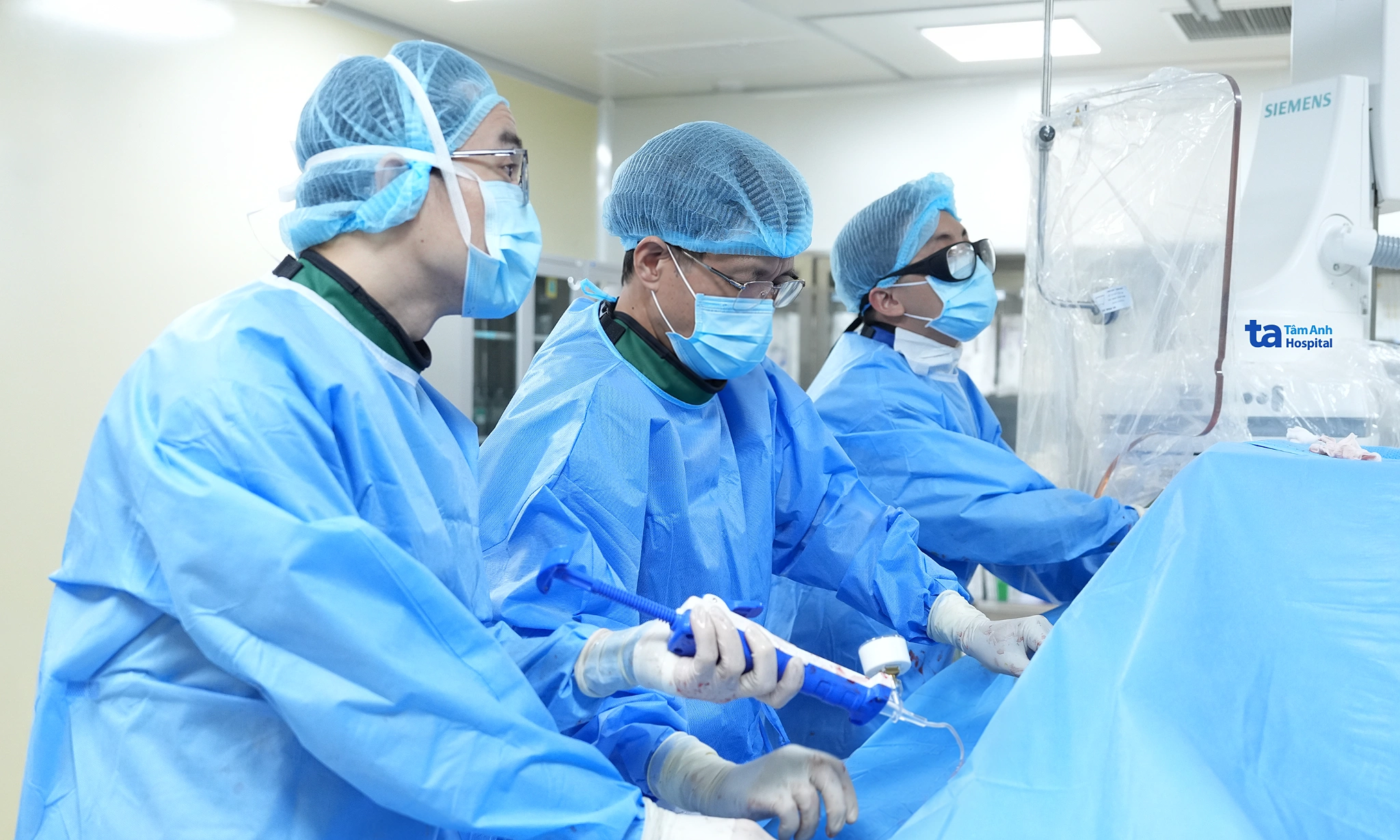
Doctors treating the patient. Photo: Hospital provided |
Doctors treating the patient. Photo: Hospital provided
According to Dr. Tien, hand, foot, and mouth disease is common in children under 5, however, older children can still contract it and develop severe symptoms if not detected early. Parents should take their children to the hospital if they have a fever, blisters on their hands and feet, or mouth ulcers accompanied by unusual signs such as: startled movements, a high fever difficult to reduce, limb tremors, a staggering gait, frequent vomiting, drowsiness, or seizures.
Last week, TP HCM recorded 1,160 cases of hand, foot, and mouth disease, an increase of over 13% compared to the average of the previous four weeks. To prevent the disease, children should wash their hands frequently with soap, eat cooked food and drink boiled water, clean toys, and avoid sharing personal items. Children with the disease should stay home from school and isolate for 7-10 days to prevent breaking blisters, which can spread the disease.
Le Phuong