Response:
Varicose veins in the lower limbs are a common condition affecting both sexes. The condition occurs when venous valves weaken, making it difficult for blood to return to the heart, leading to pooling in the legs. The risk increases with age, especially in individuals who sit or stand for prolonged periods, are inactive, overweight, have a family history of the condition, or have experienced leg injuries or surgery.
In men, initial signs can be subtle and often overlooked, presenting as heavy, tired, tense, numb legs, or cramps. These symptoms are usually more noticeable at the end of the day or after prolonged standing or sitting. Small red or bluish-purple spider veins or tortuous, prominent veins may appear on the skin. Some individuals only notice mild swelling around the ankles in the afternoon without significant pain.
The heavy, tired legs and visible veins you described strongly suggest varicose veins. However, for an accurate diagnosis, you should consult a vascular specialist. A doctor may order a vascular doppler ultrasound to precisely determine the extent of damage to the venous system, measure the diameter of the vessel lumen, and assess valve function, thereby developing an appropriate treatment plan.
In early stages, simple medical treatment may suffice, involving venotonic medication combined with medical compression stockings. These stockings apply mechanical pressure, helping venous valves close properly and improving blood flow back to the heart, which quickly reduces leg swelling. You should take short breaks and engage in light movement after every hour of work instead of sitting continuously for too long.
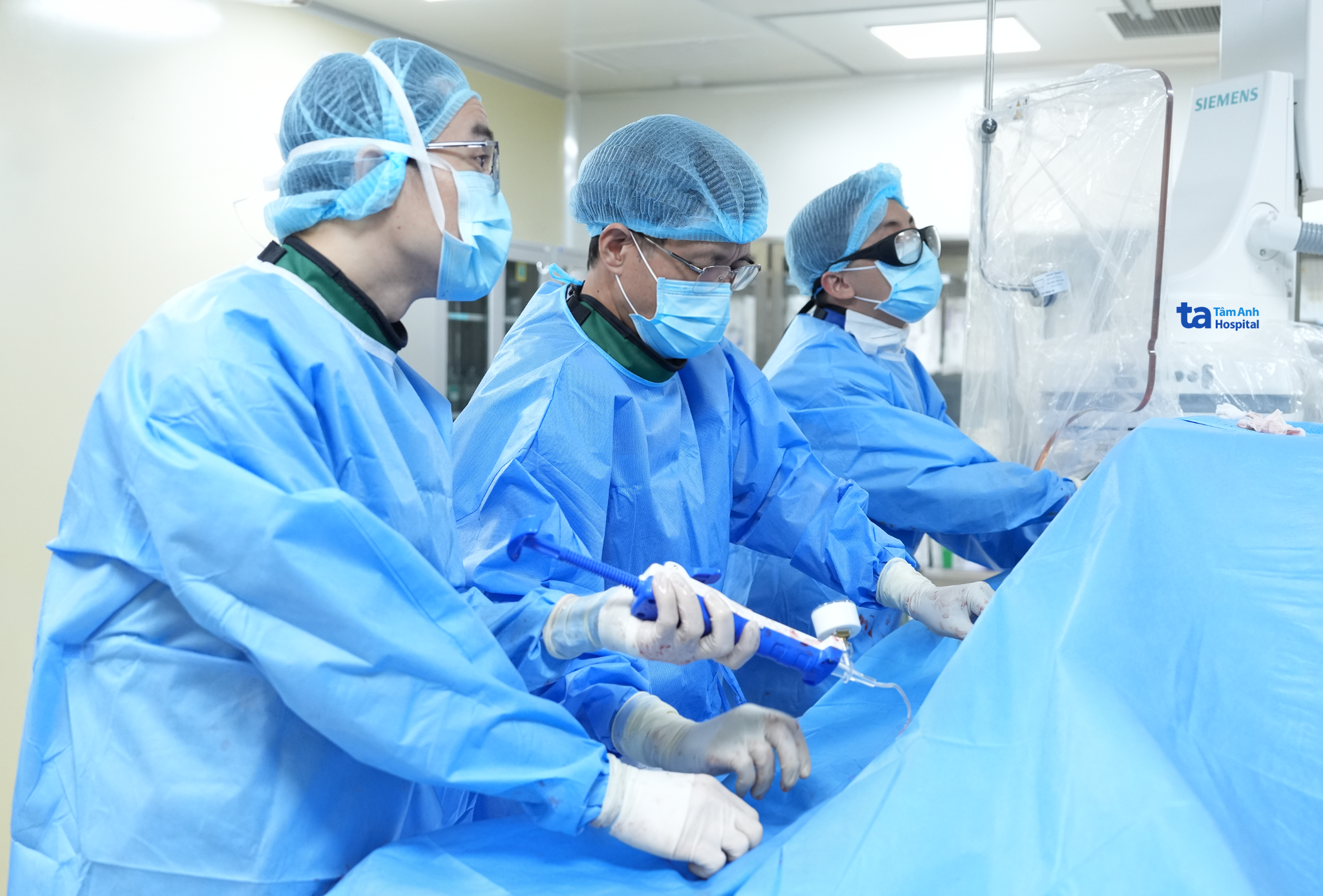 |
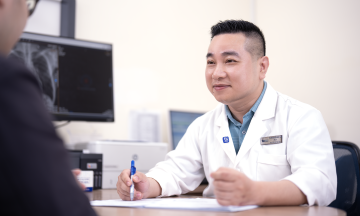
Dr. CKI Tran Quoc Hoai (left) performs varicose vein treatment for a patient. Photo: _Tam Anh General Hospital_
If varicose veins are severe or do not respond to medical treatment, a doctor may recommend minimally invasive procedures such as endovascular radiofrequency ablation (RFA), high-energy pulsed laser therapy, or biological glue injection to effectively treat the affected veins. These techniques offer minimal pain, less blood loss, no scarring, and quick procedure times. Patients can walk independently and be discharged after only one to two days.
If you frequently sit or stand for extended periods, you should actively move, change positions throughout the day, and maintain a healthy weight to reduce pressure on the venous system. If you experience heavy, tired, painful, or mildly swollen legs, or notice unusual visible veins, seek early medical attention for an assessment of the varicose vein severity and appropriate treatment to prevent the condition from worsening.
Dr. CKI Tran Quoc Hoai
Center for Thoracic and Vascular Surgery
Tam Anh General Hospital, Ho Chi Minh City
| Readers can submit questions about cardiovascular disease here for a doctor's response. |