Dr. Nguyen Phuoc Long, a Doctor of First Degree Specialization at the Ear, Nose, and Throat Center, Tam Anh General Hospital Ho Chi Minh City, stated that the humid climate coupled with erratic cold rain creates favorable conditions for bacteria and viruses to thrive. When temperatures drop and humidity rises, the resistance of the upper respiratory tract decreases, making it easier for viruses and bacteria to attack and cause pharyngitis and tonsillitis. Tonsillitis involves the inflammation of lymphoid tissue located on both sides of the throat, which acts as the body's first immune barrier against pathogens entering through the respiratory tract.
Dr. Long identified the following groups as particularly susceptible to pharyngitis and tonsillitis during weather changes:
Young children
The immune activity of the tonsils is strongest in children aged 4-10 years. This heightened activity means the tonsils work harder to combat pathogens, making them more prone to inflammation when exposed to viruses and bacteria. As tonsils are located directly in the throat, inflammation of the tonsils also irritates surrounding tissues, causing pharyngitis. Additionally, children's pharyngeal mucous membranes are thin and sensitive, easily damaged by cold, humid air during the rainy season.
Individuals with a history of rhinitis, sinusitis, or pharyngitis
People with pre-existing ear, nose, and throat conditions often have more sensitive upper respiratory mucous membranes. A history of respiratory tract damage makes them prone to recurrent tonsillitis and pharyngitis when encountering adverse weather conditions, allowing bacteria and viruses to attack easily.
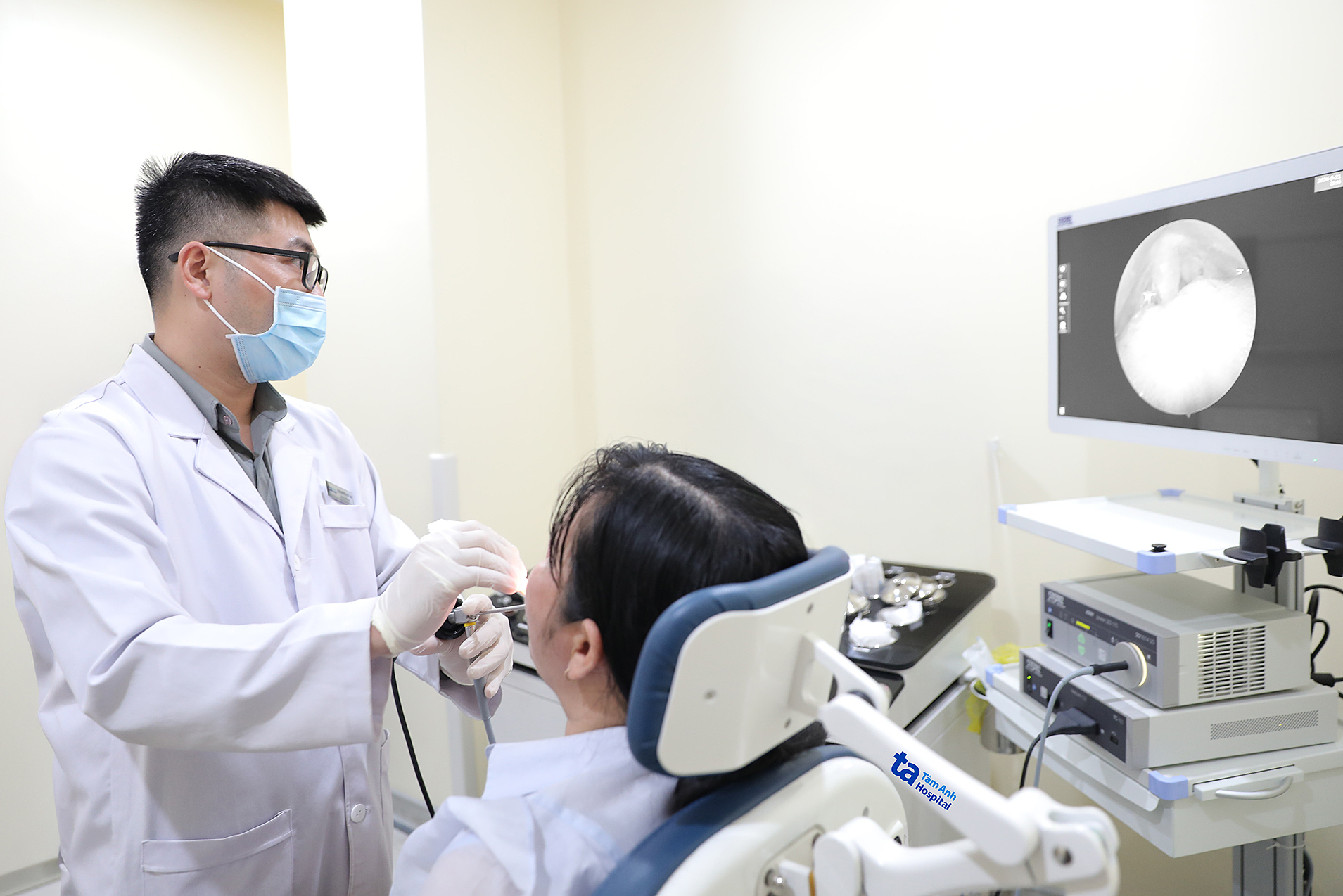 |
Dr. Long performs a throat endoscopy for a patient. *Photo: Tam Anh General Hospital*
Older adults
The immune system naturally weakens with age, especially when accompanied by underlying conditions such as cardiovascular disease or diabetes. This reduction in immune function lowers their ability to fight pathogens. The pharyngeal mucous membranes in older adults are also thinner and less elastic due to aging, with reduced protective mucus secretion. This makes their mucous membranes prone to dryness and damage when exposed to cold, humid air.
Individuals with weakened immune systems
People with chronic diseases like diabetes or those taking immunosuppressants have weaker immune systems. This makes them more susceptible to illness as their bodies struggle to fight infections.
Frequent exposure to polluted environments
Exposure to smoke, dust, and respiratory chemicals weakens the natural protective barrier of the pharyngeal mucous membranes, making pharyngitis and tonsillitis more likely. Dr. Long advises that if frequently exposed to polluted environments, individuals should wear masks and rinse their nose and throat daily with physiological saline.
To prevent pharyngitis and tonsillitis during rainy weather, it is important to keep the throat warm, especially when outdoors. Limit cold drinks and food, and avoid getting chilled after exercise or late-night showers. Drink enough water to prevent a dry throat, boost resistance, and wear a mask when going out.
Parents should limit children's contact with individuals suffering from respiratory illnesses. Older adults or those with chronic conditions should stay warm, get sufficient sleep, and reduce stress to avoid further weakening their immune system.
In cases of a sore throat accompanied by high fever, difficulty swallowing, swollen neck lymph nodes, or tonsils with pus, patients should visit an Ear, Nose, and Throat specialist for timely evaluation and treatment.
Uyen Trinh
| Readers can submit questions about ear, nose, and throat conditions here for doctors to answer. |