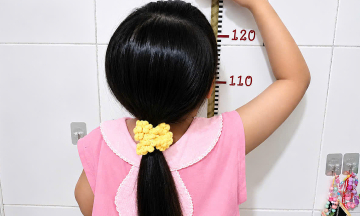
Thuy gained from 55 to 73 kg in one year, stands 1,5 m tall, and has menstrual cycles lasting 40-45 days. Doctor Lam Van Hoang, Head of the Endocrinology and Diabetes Department at Tam Anh General Hospital, Ho Chi Minh City, noted that the patient was morbidly obese (grade two), had acanthosis nigricans on her neck, persistent inflammatory acne, and unstable emotions.
Clinical test results revealed insulin resistance. Her anti-Mullerian hormone (AMH) levels, secreted by ovarian follicles, were high, and the luteinizing hormone (LH) to follicle-stimulating hormone (FSH) ratio was abnormal. Abdominal ultrasound images showed numerous small cysts, 2-9 mm in size, on her ovaries.
Doctor Hoang diagnosed the patient with polycystic ovary syndrome (PCOS). Obesity and rapid weight gain increase the risk of developing PCOS. Obesity can lead to insulin resistance, causing elevated insulin levels, which in turn stimulates the ovaries to produce more androgen hormones. This disrupts follicular development and hinders ovulation. While PCOS is common in women of reproductive age, it can also begin during puberty, as seen in Thuy.
 |
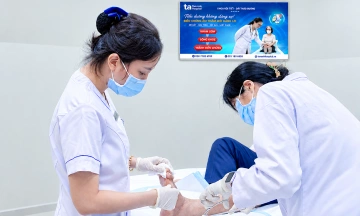
Doctor Hoang advises Thuy on treatment. *Photo: Tam Anh General Hospital* |
"Lifestyle is the primary cause of overweight and obesity in adolescents," said Doctor Hoang. Diets high in fat, sweets, and preservatives, combined with excess weight, disrupt the balance of leptin, which regulates satiety, and insulin, which controls blood sugar. Adolescence is also a sensitive period when children are prone to academic stress. Prolonged stress prompts the adrenal glands to produce more cortisol than usual, leading to imbalances in hormones like estrogen, testosterone, and insulin. An unhealthy lifestyle with minimal physical activity can further contribute to endocrine disorders.
Adolescent girls with PCOS face many serious health issues, including hormonal imbalances and metabolic disorders. PCOS can inhibit egg maturation and ovulation, reducing fertility or causing infertility, and increases the risk of conditions such as type two diabetes and endometrial cancer.
Doctors prescribed weight loss treatment to stabilize her hormones. In addition to medication, Thuy should prioritize a nutrient-rich diet essential for development, including lean protein, healthy fats found in eggs, nuts, salmon, and mackerel, and ample fiber and vitamins from green vegetables and fruits. She should limit sweets, fatty foods, sugary sodas, and fried foods. Incorporating 30 minutes of daily exercise is also crucial to establish healthy habits.
Doctors advised the family to support the child by reducing academic pressure, establishing a scientific sleep schedule, limiting snack storage, reducing screen time, and ensuring adequate sleep to help Thuy lose weight and improve her hormonal balance.
Duc Hanh
*The patient's name has been changed
| At 20h on 13/8, Tam Anh General Hospital will host an online consultation titled "Weight Loss for Adolescents: High-Tech, Safe, and Effective". Doctor Lam Van Hoang, Head of Endocrinology and Diabetes; Doctor Nguyen Xuan Vinh, a sports medicine specialist from Tam Anh General Hospital, Ho Chi Minh City; Doctor Le Ba Ngoc, Head of General Internal Medicine; and Doctor Tran Quyen An, a nutrition specialist from Tam Anh General Hospital, Hanoi, will participate in the consultation. Readers can submit questions here. |