Mr. Su's medical history included stage 3 chronic kidney failure, hypertension, dyslipidemia, and chronic ischemic heart disease. He regularly attended follow-up appointments for his COPD and consistently took his medication. However, about 10 days prior to admission, he experienced increased shortness of breath, wheezing, and poor appetite, with no relief from his inhaler.
Master of Science, Doctor, First Degree Specialist Nguyen Thanh Thuy, from the Department of General Internal Medicine at Tam Anh General Hospital Ho Chi Minh City, diagnosed him with an acute COPD exacerbation against a background of multiple chronic conditions. An X-ray revealed bilateral emphysema and several old fibrotic lesions. The patient also underwent tests to assess for infection, kidney and liver function, and to rule out other causes of shortness of breath.
He received treatment including bronchodilators, corticosteroids, and antibiotics, alongside strict management of his underlying conditions such as hypertension, chronic kidney failure, and ischemic heart disease. Doctors also provided psychological support to help the patient sleep well and improve his appetite.
After five days, Mr. Su's shortness of breath improved, and his health recovered, allowing him to be discharged from the hospital.
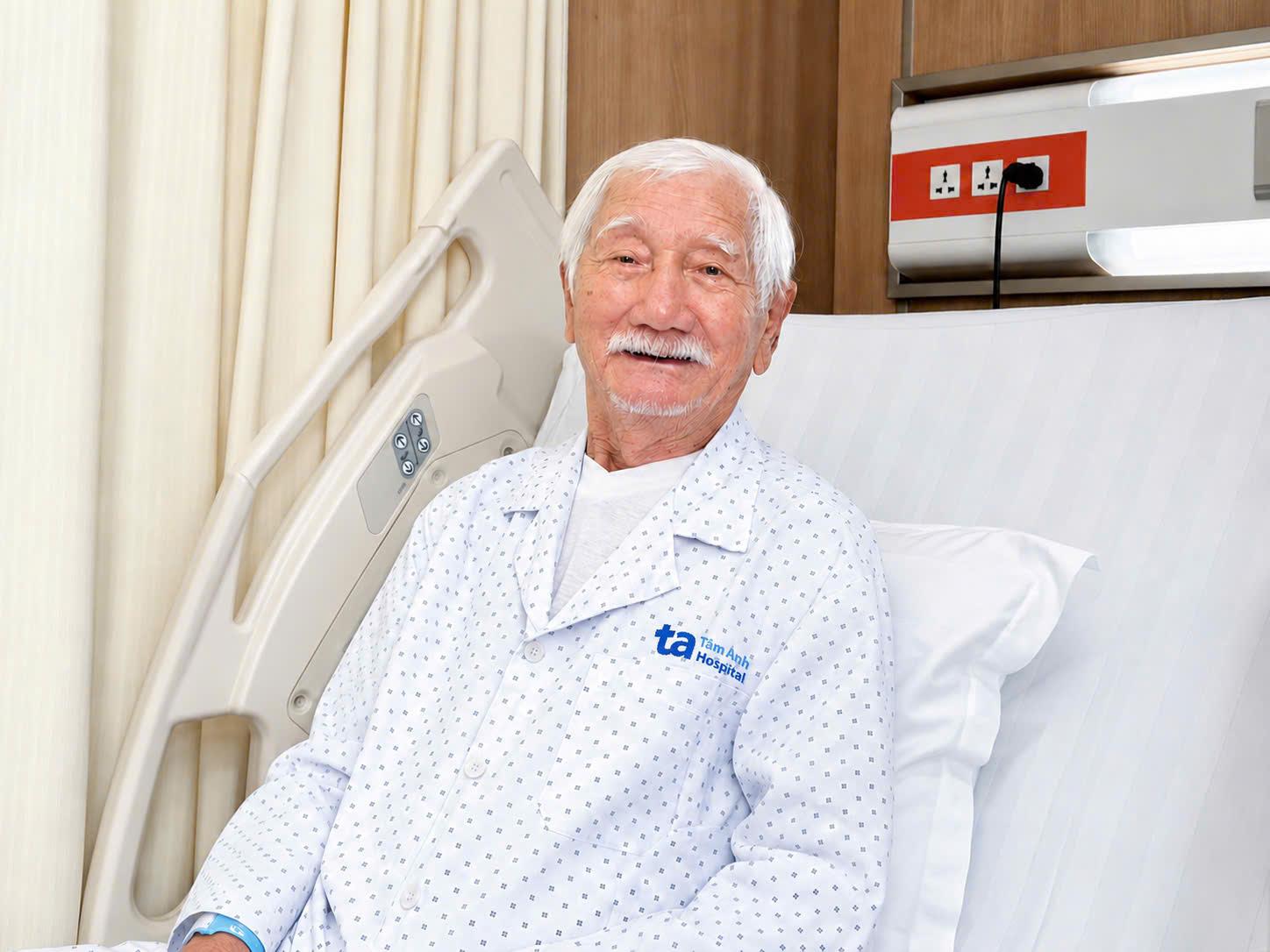 |
Mr. Su on the day of his discharge after stabilizing from an acute COPD exacerbation. Photo: *Tam Anh General Hospital*
Doctor Thuy explained that COPD is a chronic respiratory disease that cannot be fully cured but can be well controlled if detected early. Treatment aims to reduce daily symptoms such as shortness of breath and coughing, and to prevent acute exacerbations.
In older adults with underlying health conditions, changes in weather combined with increased air pollution elevate the risk of acute exacerbations. If not treated promptly, each exacerbation can further impair respiratory function. When respiratory function weakens, patients may become dependent on home oxygen therapy and nebulizers, increasing the risk of recurrent hospitalizations and complications.
Doctor Thuy advises individuals over 40 years old with a history of smoking, frequent exposure to dust and chemicals, or symptoms such as persistent cough, phlegm production, and shortness of breath during exertion to seek medical evaluation. Those already diagnosed with COPD should attend regular follow-up appointments, use medication as directed, get vaccinated against influenza and pneumococcus, maintain appropriate physical activity, and effectively manage their underlying diseases.
Nhat Thanh
| Readers can submit questions about respiratory diseases here for doctors to answer. |