Monitoring growth
According to Times of India, parents should monitor their child's height, weight, and overall health through each developmental stage to detect early signs of slow growth, overweight, underweight, or other issues requiring assessment.
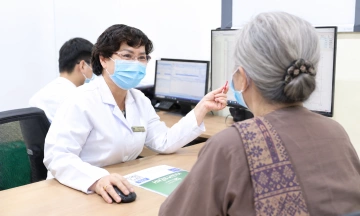
Children also need to receive all scheduled vaccinations, maintain personal hygiene, brush their teeth properly, and visit a doctor if they show unusual signs. If a child experiences persistent fatigue, weight loss, delayed growth, shortness of breath, prolonged pain, or significant changes in eating, sleeping, or behavior, parents should seek professional medical advice instead of attempting self-treatment at home.
Nurturing mental well-being
Prolonged stress, academic pressure, insufficient playtime, or constant comparisons can negatively impact a child's emotions and behavior.
Parents should dedicate time to talk, listen, and encourage their children to share what makes them happy, sad, or worried. When children make mistakes, adults should guide them on how to correct them rather than simply punishing them. Family care, active listening, and appropriate responses help create a positive environment for children's development.
Teaching proper posture
Parents should pay attention to their child's posture when studying, reading, or using electronic devices. Children should sit upright, with back support, and their head and neck in a natural position, avoiding prolonged leaning close to a desk or screen. Desks and chairs should be of an appropriate height so children do not have to strain their shoulders or hunch over; their feet should rest firmly on the floor or a footrest.
When reading, children also need to maintain an appropriate distance from their eyes. Correct posture helps reduce neck, shoulder, and back strain and creates comfort during study, according to Parents.
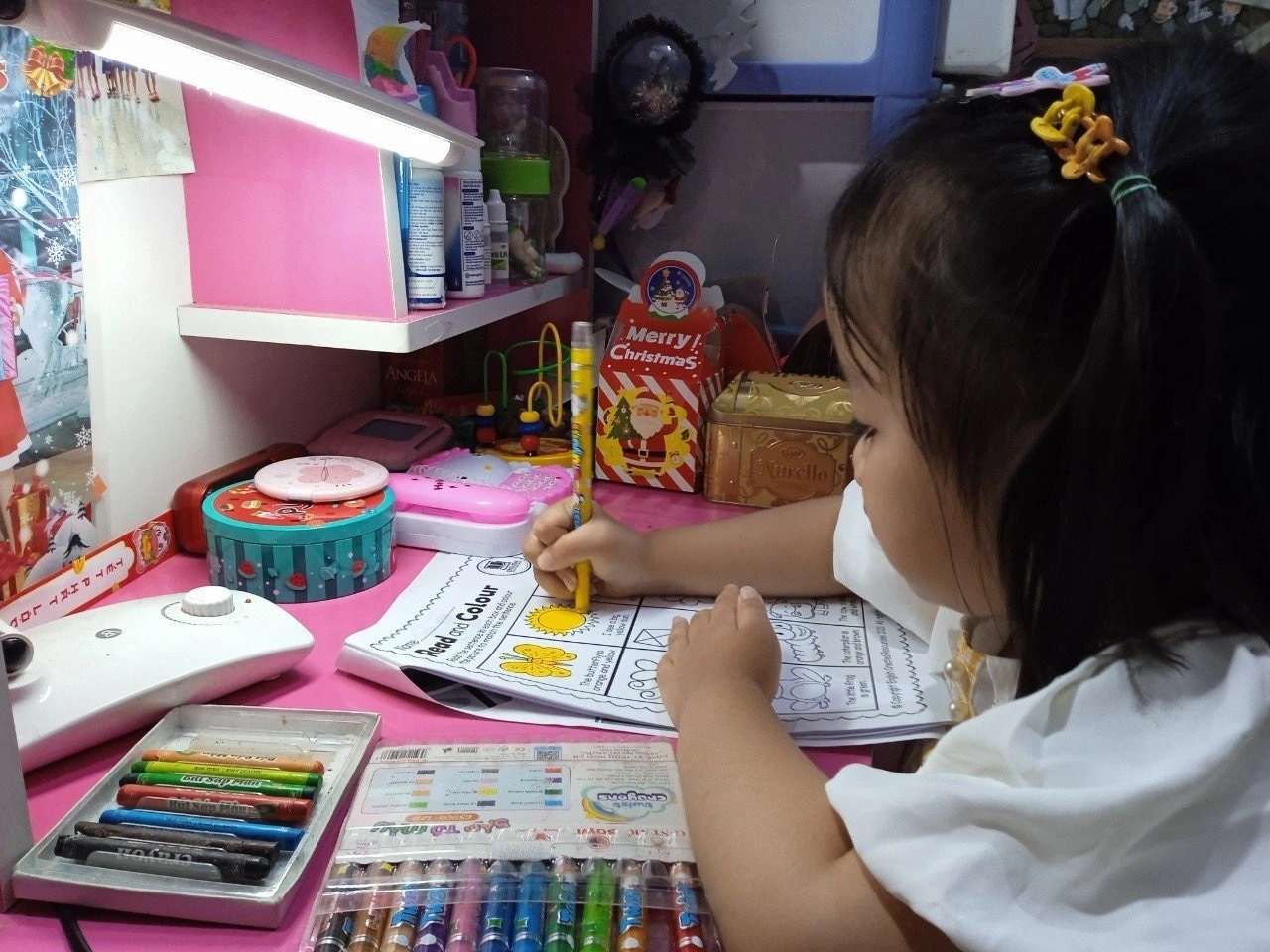 |
Maintaining proper posture helps children protect their spine and improve concentration during study. Photo: Kim Uyen |
Maintaining a diverse, nutritious diet
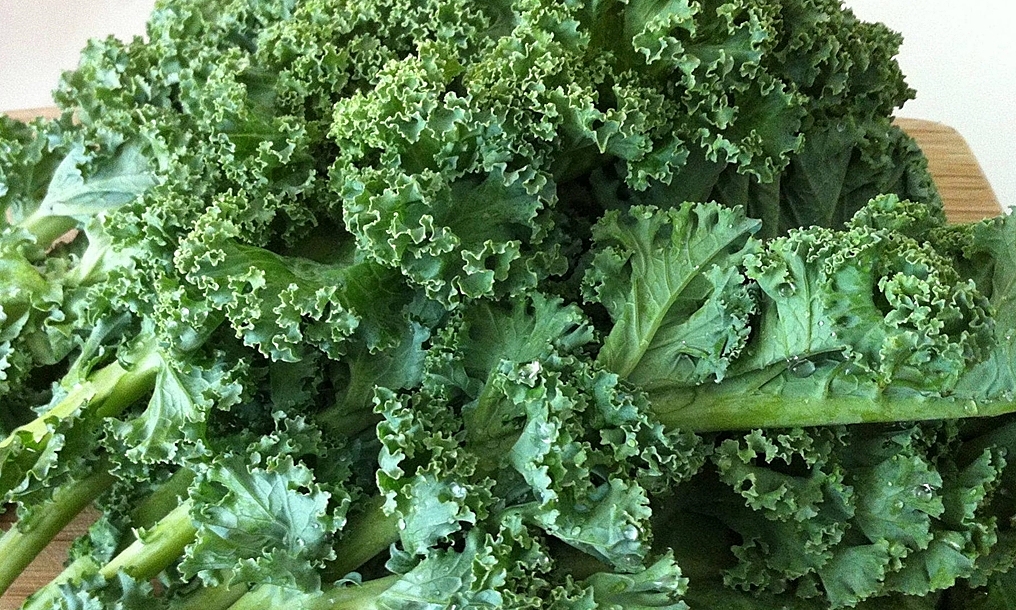
Children require many nutrients for the development of their bones, muscles, brain, and immune system. Therefore, meals should include diverse food groups: vegetables, fruits, grains, meat, fish, eggs, milk, and legumes. Each group provides different nutrients, so eliminating or relying solely on one food group can lead to an imbalanced diet.
Parents should also limit their children's consumption of soft drinks, sweets, fast food, and processed foods. Children need to develop healthy eating habits rather than focusing solely on eating large quantities to gain weight.
Le Nguyen (Compiled)
| Readers can submit questions about childhood illnesses here for a doctor's response. |