Mr. Kinh, 60 years old, had type 2 diabetes for over 26 years, hypertension, and previously underwent 6 months of treatment for pulmonary tuberculosis. He sought examination at Tam Anh General Hospital Ho Chi Minh City, where his blood oxygen saturation (SpO2) had dropped to 82%, he had severe pneumonia, and prolonged high blood sugar, with an HbA1c of 10,92% (normally below 5,7%).
Doctor Nguyen Thanh Thuy, from the respiratory unit, general internal medicine department, prescribed respiratory support with high-flow nasal cannula (HFNC) oxygen, combined with antibiotic treatment and blood sugar control. During treatment, a chest CT scan revealed widespread damage in both lungs. Some areas showed severe damage, with altered lung tissue and reduced gas exchange capacity.
Based on these findings, Mr. Kinh underwent additional tests to evaluate immune system activity and potential autoimmune diseases causing lung damage. The results showed he tested positive for two antibodies: EJ and Mi-2β.
Doctor Thuy explained that EJ is an autoantibody closely associated with anti-synthetase syndrome, a group of autoimmune diseases that can cause interstitial lung damage. Mi-2β is often linked to autoimmune myositis, especially dermatomyositis. Combining the test results with the CT images, doctors diagnosed Mr. Kinh with autoimmune-related interstitial lung disease.
 |
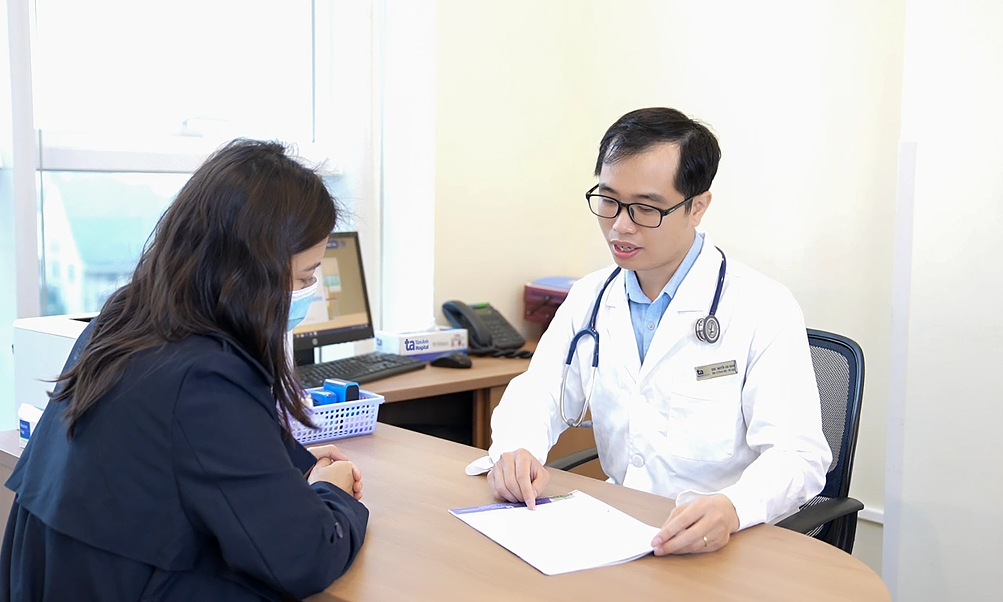
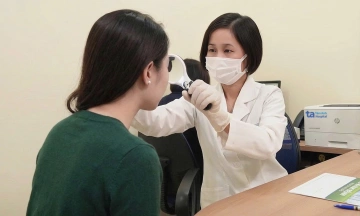
Doctor Thuy explains the patient's interstitial lung condition and advises Mr. Kinh on follow-up appointments. *Photo: Tam Anh General Hospital*
According to Doctor Thuy, interstitial lung disease is a group of conditions that damage the structures surrounding the alveoli – where oxygen and carbon dioxide are exchanged. This can lead to inflammation, thickening, or fibrosis of lung tissue. As the damage progresses, the lungs become less elastic, impairing oxygen transfer into the blood, causing shortness of breath, fatigue, and reduced exercise tolerance. Some cases are linked to autoimmune diseases. In Mr. Kinh's situation, a severe bout of pneumonia triggered an acute progression of his pre-existing interstitial lung disease. The interstitial damage was incidentally discovered during a chest CT scan.
After 10 days of treatment, the patient's respiratory condition significantly improved, and he was discharged.
Doctor Thuy cautioned that the resolution of shortness of breath does not mean interstitial lung disease has disappeared. This group of diseases requires long-term monitoring, as the extent of lung damage can change over time. For cases involving autoimmune factors, patients need doctors to assess the cause, the extent of damage, and develop a treatment plan.
Individuals can proactively protect their respiratory health by not smoking, avoiding secondhand smoke, limiting exposure to dust, chemicals, and mold, and getting recommended respiratory vaccines. If experiencing prolonged shortness of breath, persistent cough, rapid fatigue during activity, or recurrent respiratory symptoms, individuals should seek medical attention. Elderly individuals, and those with underlying cardiovascular disease, diabetes, or lung disease, should seek early medical attention for any unusual symptoms.
Nhat Thanh
| Readers can submit questions about respiratory diseases here for doctors to answer |