Hoang Cuong, 34, from Ho Chi Minh City (HCMC), asks: "How long until I can fully recover, and do I need further treatment?"
When playing soccer, a sudden twist, an awkward landing, or a strong impact can force the knee beyond its normal range, resulting in a dislocation. The joint cartilage can also endure unusual impact or stress. This tissue damage triggers an inflammatory response, increasing blood vessel permeability and leading to fluid accumulation within the joint. This process causes swelling, warmth, pain, and restricts movement. When the joint is swollen and painful, the surrounding knee muscles tend to become less active, making it harder to extend or bend the knee, stand up, or walk.
Recovery from a knee dislocation can take many weeks to several months, sometimes requiring medical intervention. Therefore, the absence of pain does not signify complete recovery. If you still experience swelling, pain during activity, joint stiffness, limited flexion or extension, or a sensation of looseness or locking in the joint, you should revisit your doctor for a thorough examination.
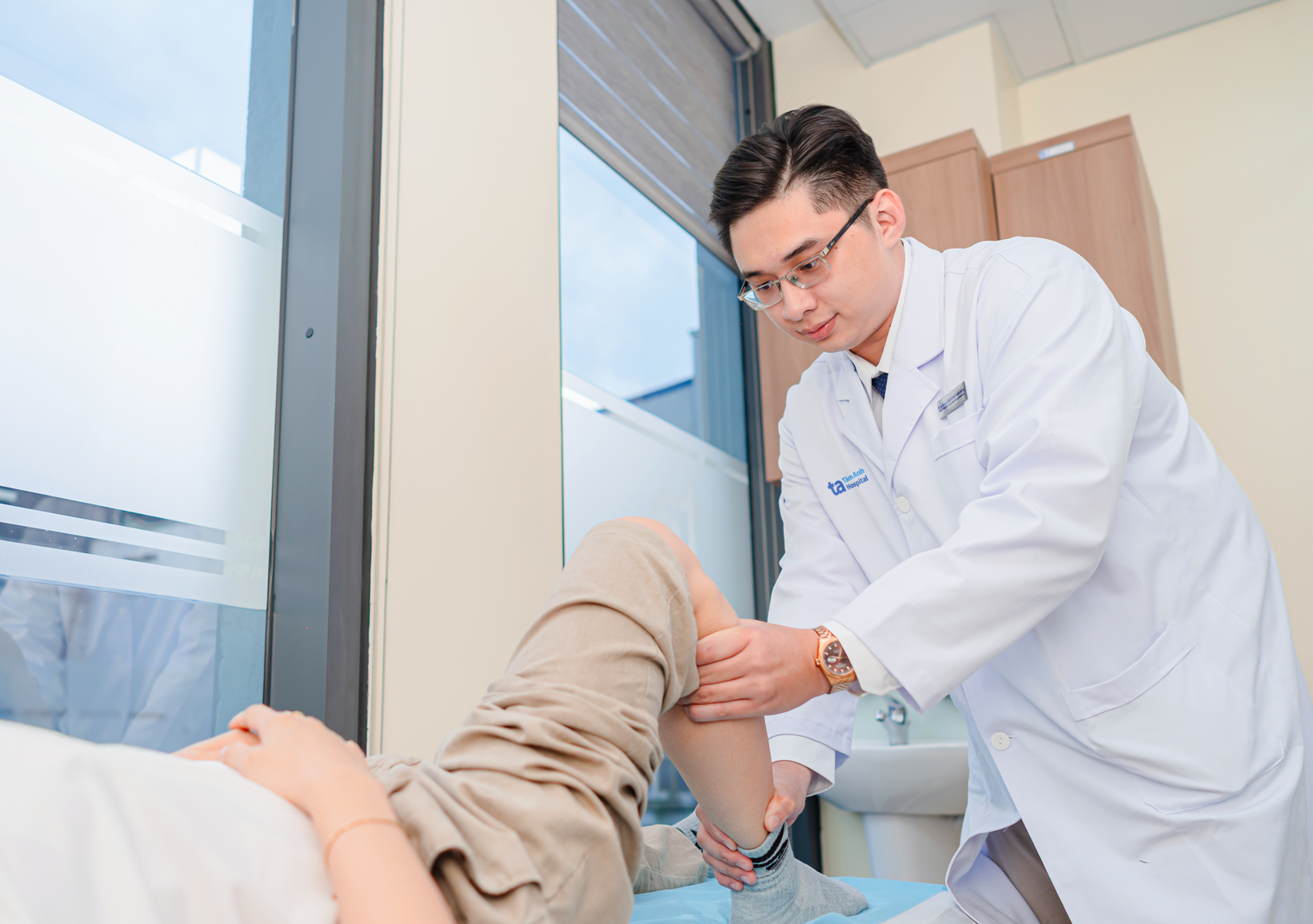 |
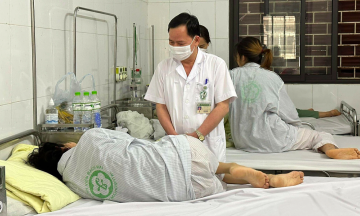
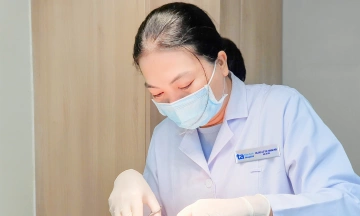
Doctor examining a patient's knee joint. *Illustration: Tam Anh General Hospital*
Following the acute injury phase, patients must engage in rehabilitation exercises to gradually regain the joint's range of motion. Subsequently, they need to strengthen the muscle groups that support the joint and train their balance and movement control. For the knee, restoring the strength of the thigh muscles and other muscles surrounding the joint is crucial. This helps support weight-bearing capacity and enhances stability during walking, running, or changing direction.
You should not rush back to playing soccer simply because the pain has disappeared. Activities should progress gradually, starting with walking, then joint mobilization exercises, strength training, and eventually running and change-of-direction movements. If the joint swells or pain returns after increasing intensity, it may indicate that the physical load is excessive, requiring a reduction in exercise level and a re-evaluation of the recovery process.
In daily activities, it is advisable to limit sudden force-generating movements on the recovering joint, such as jumping, quick twisting, or carrying heavy loads when the joint is not yet strong enough. When returning to sports, ensure thorough warm-ups, strengthen muscles, and pay close attention to landing and change-of-direction techniques to reduce the risk of re-injury.
Your diet should provide sufficient protein, vitamin d, calcium, and other essential micronutrients for bone health. Additionally, managing your weight is important to avoid placing extra pressure on the joints.
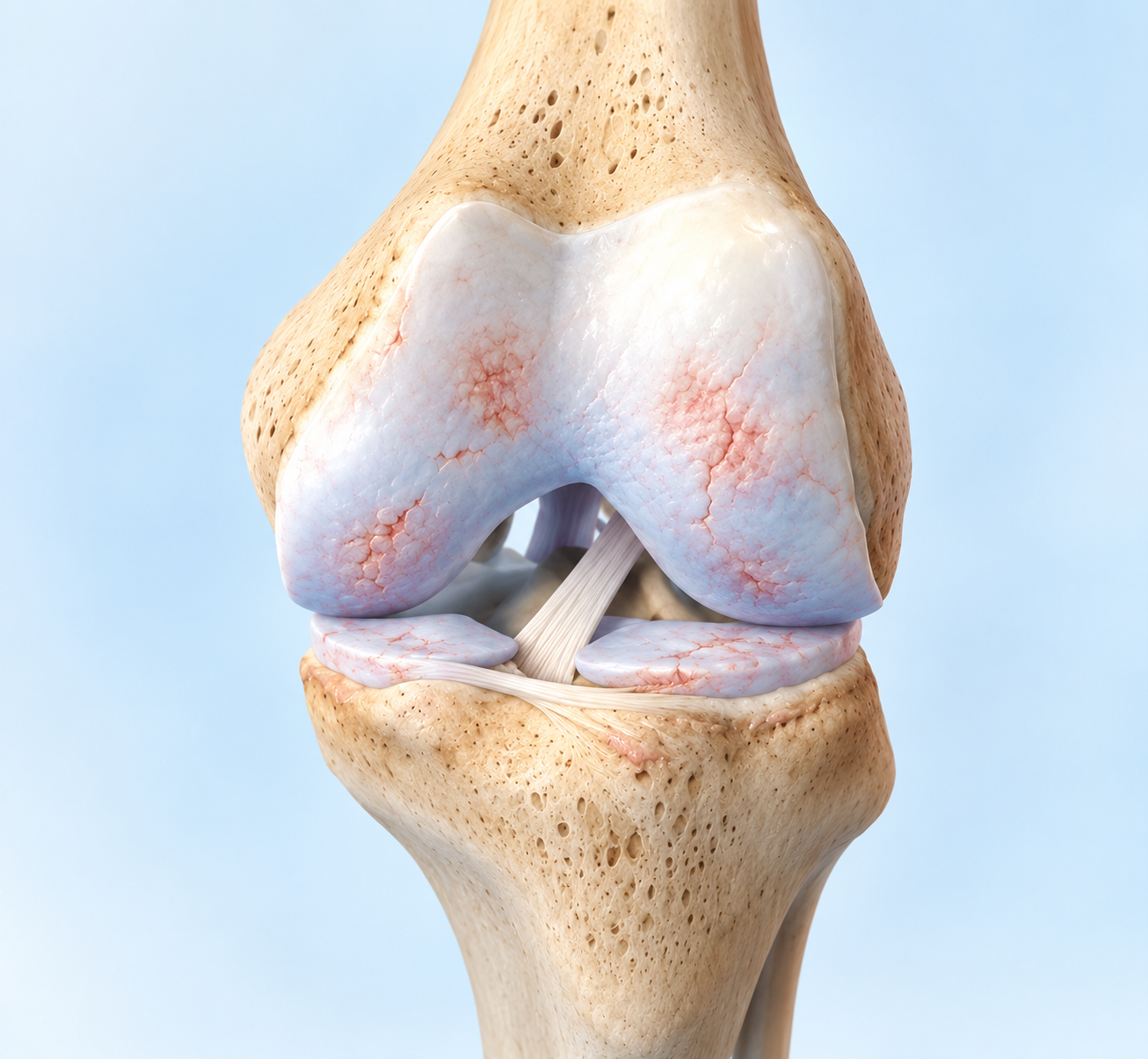 |
Simulated image of an injured knee joint. *Photo: Eco Pharmaceuticals*
You may regularly supplement with a combination of undenatured type two collagen and collagen peptides, eggshell membrane, chondroitin sulfate, and turmeric extract. These essences support the protection, maintenance, and recovery of joint cartilage and subchondral bone. They also help reduce inflammation, pain, and swelling, contributing to the joint's stable return to function after injury.
Doctor Hoang Quyet Tien
Medical Information Center
Tam Anh General Hospital HCMC
| Readers can submit questions about musculoskeletal diseases here for doctors to answer. |