Heavy rains cause deep flooding on many roads, often forcing commuters to push their vehicles or wade through murky water. Floodwaters can contain sewage, trash, animal waste, chemicals, and unseen sharp objects. However, exposure does not guarantee illness. The risk depends on immersion time, skin condition, existing wounds, and contamination levels.
Upon returning home, individuals should take the following steps:
Clean your feet and skin exposed to floodwaters
Remove wet clothes, socks, and shoes. Then, shower or wash all exposed skin with soap and clean water. Pay attention to cleaning between your toes, under your toenails, and in skin folds. Dry your body thoroughly, change into clean clothes, and dry your shoes before their next use.
Prolonged water immersion can soften skin, making it prone to abrasions and creating entry points for pathogens. However, do not apply alcohol, hydrogen peroxide, or strong detergents to intact skin, as these can cause irritation.
Individuals with diabetes, peripheral vascular disease, compromised immune systems, or existing skin lesions on their legs need to inspect their skin more carefully, as wounds may heal slowly and are prone to infection.
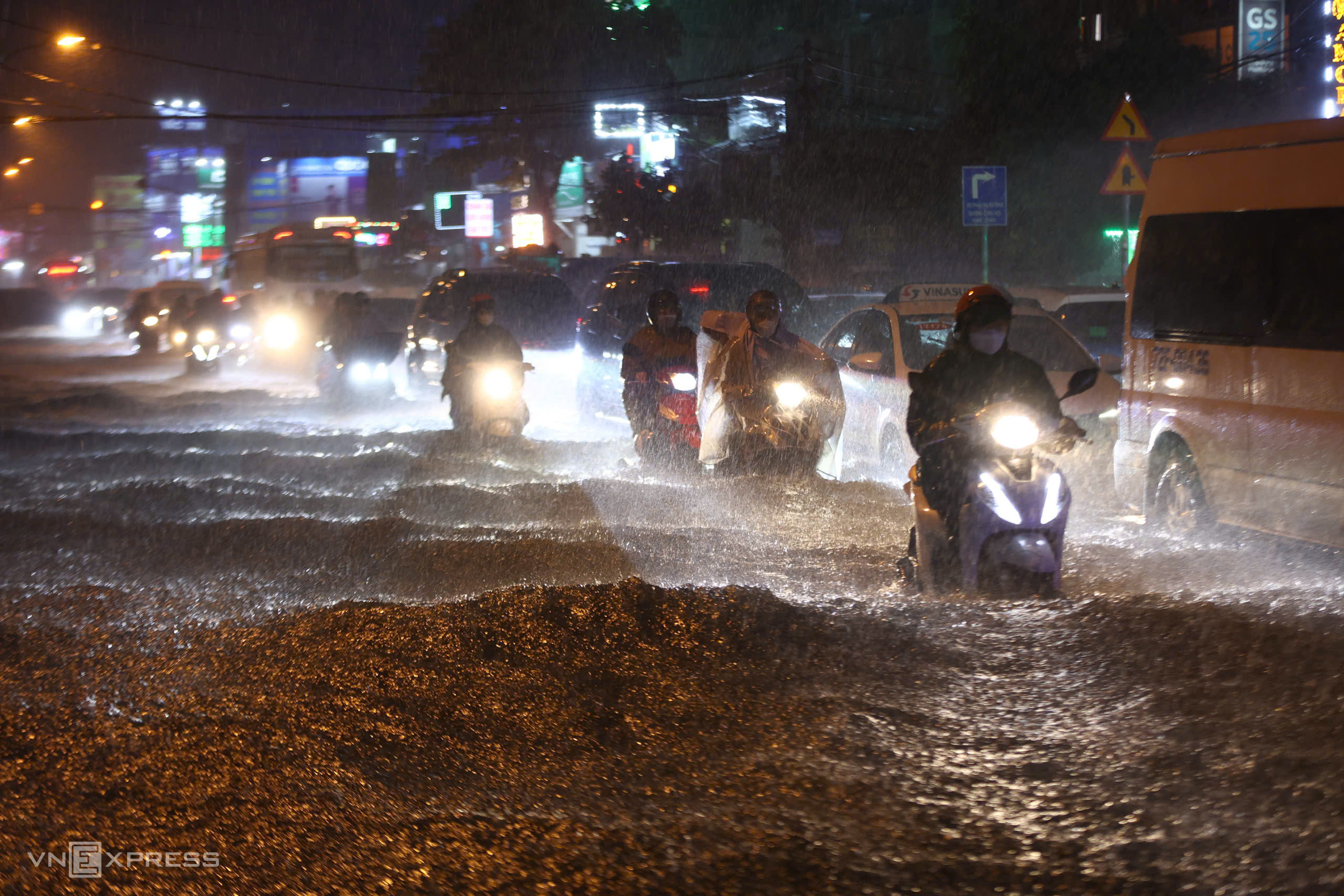 |
Flooding in Ho Chi Minh City. *Thanh Tung*. |
Check and clean any wounds
After wading through water, examine the soles of your feet, between your toes, and your lower legs for scratches, punctures, or foreign objects. Wounds should be thoroughly washed with soap and clean water, removing any visible mud or dirt, then covered with a clean, dry bandage.
The US Centers for Disease Control and Prevention (CDC) recommends that individuals with open wounds avoid contact with floodwaters. If passing through such areas is unavoidable, cover wounds completely with a waterproof bandage. Seek medical attention for deep punctures, large cuts, uncontrollable bleeding, or retained foreign objects.
Signs of infection include spreading redness, swelling, increased pain, discharge, a foul odor, or fever. Do not self-medicate with antibiotics, herbal remedies, powders, or unknown substances on wounds.
Check your tetanus vaccine status
Tetanus bacteria exist in the environment and can enter the body through damaged skin. The risk is higher for punctures, crush injuries, wounds with necrotic tissue, or those contaminated with soil, mud, and dirt.
Flooding itself is not a reason for everyone to get a tetanus vaccine. The need for vaccination is determined by the type of wound and an individual's immunization history. People should consult a medical facility for accurate advice.
Monitor for fever and muscle aches
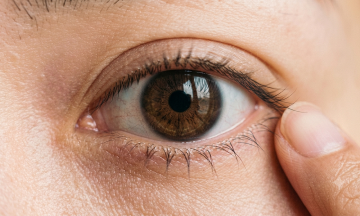
Floodwaters can be contaminated by the urine of rats or other animals carrying Leptospira bacteria. These bacteria enter through wounds, abrasions, or the mucous membranes of the eyes, nose, and mouth, causing leptospirosis, also known as Weil's disease.
The CDC notes that the number of cases can increase after floods when people have direct contact with contaminated water sources. Symptoms may appear within 2–30 days and include fever, headache, chills, muscle aches (especially in the calves and back), red eyes, nausea, vomiting, diarrhea, or jaundice.
Initial symptoms are easily mistaken for flu, dengue fever, or other infections. Individuals who have waded through floodwaters should clearly state this exposure when seeking medical care. Seek prompt medical attention for high fever, severe muscle pain, jaundice, reduced urination, difficulty breathing, unusual bleeding, or rapidly worsening fatigue.
Do not consume food or water that has touched floodwaters
Food, open bottled water, and eating utensils that have directly contacted floodwaters can carry agents causing diarrhea, hepatitis A, and other gastrointestinal diseases. The World Health Organization (WHO) recommends discarding any food that has touched floodwaters and using clean water for drinking, cooking, brushing teeth, and cleaning wounds. If the safety of the water source is uncertain, water should be boiled or treated according to health authority guidelines.
People should wash their hands with soap before preparing food, before eating, and after using the toilet. Flooded surfaces and utensils in the home must be cleaned and disinfected according to proper guidelines, and mixing various chemicals should be avoided.
The hepatitis A vaccine can help prevent illness caused by the hepatitis A virus, which is transmitted through contaminated food, water, or hands. The WHO states that the risk of this disease is linked to unsafe water and poor sanitation, and a vaccine is currently available. Individuals who are unvaccinated or unsure of their vaccination history can consult healthcare professionals for advice based on their age, health status, and exposure risk.