In a post on his personal page, nutritionist Zeng Jianming shared that many patients at his clinic claim to eat a simple, healthy diet, yet their blood test results remain abnormal. He stated that the cause lies in choosing the wrong foods. According to the expert, a diet for kidney patients is not a 'no-food' punishment, but rather a 'substitution game'.
“Patients can still eat well and get enough nutrients if they master scientific food substitution principles, as long as they avoid three major 'pitfalls': salty foods, processed foods, and various broths,” Zeng said.
The first common mistake lies in the perception of whole grains. Many believe brown rice, cereals, or various nuts are the best choices for health. However, when kidney function declines and the ability to control blood phosphorus levels diminishes, these foods unintentionally increase the excretory burden on the kidneys. During this stage, refined foods like white rice, white noodles, or plain steamed buns are safer options.
Secondly, many people believe they should not eat salty foods, so they switch to buying 'low-sodium salt'. However, the expert warns that reduced-salt or low-sodium soy sauces on the market often use potassium as a substitute. This is dangerous for kidney patients. Instead, patients should use regular table salt but in moderation, or enhance their dishes with natural seasonings like onions, ginger, garlic, and lemon to stimulate taste without harm.
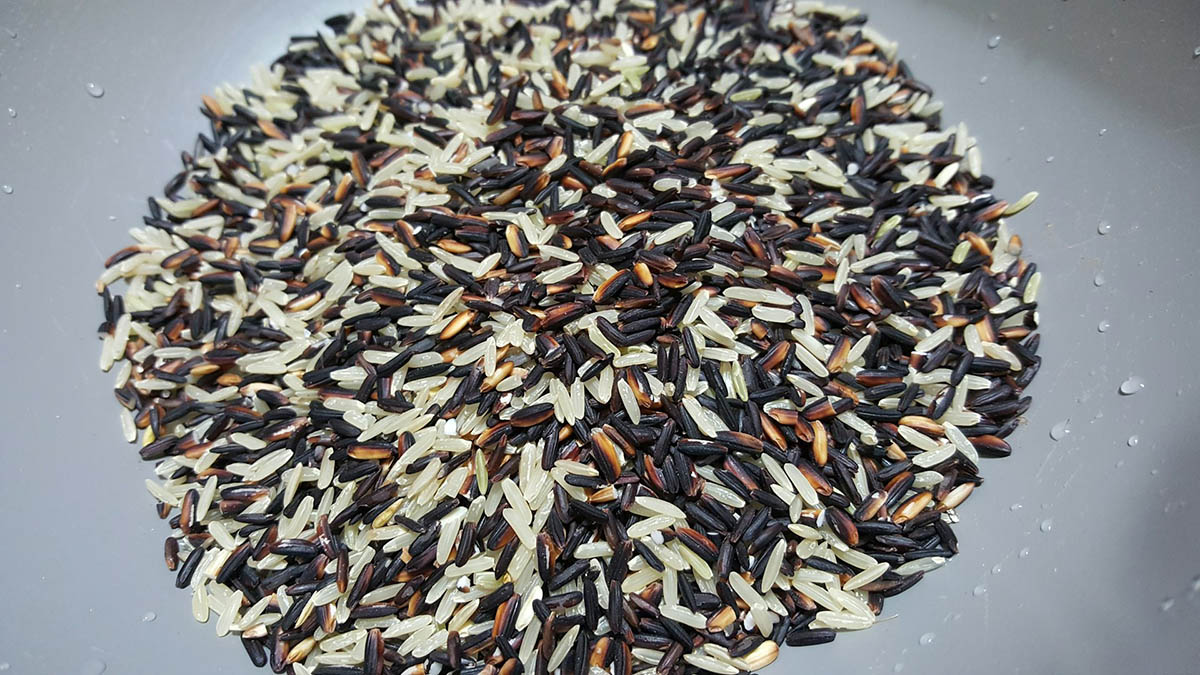 |
Many believe brown rice is the best choice for health, but when kidney function declines, this food unintentionally increases the burden on the kidneys. Illustration: HK01.
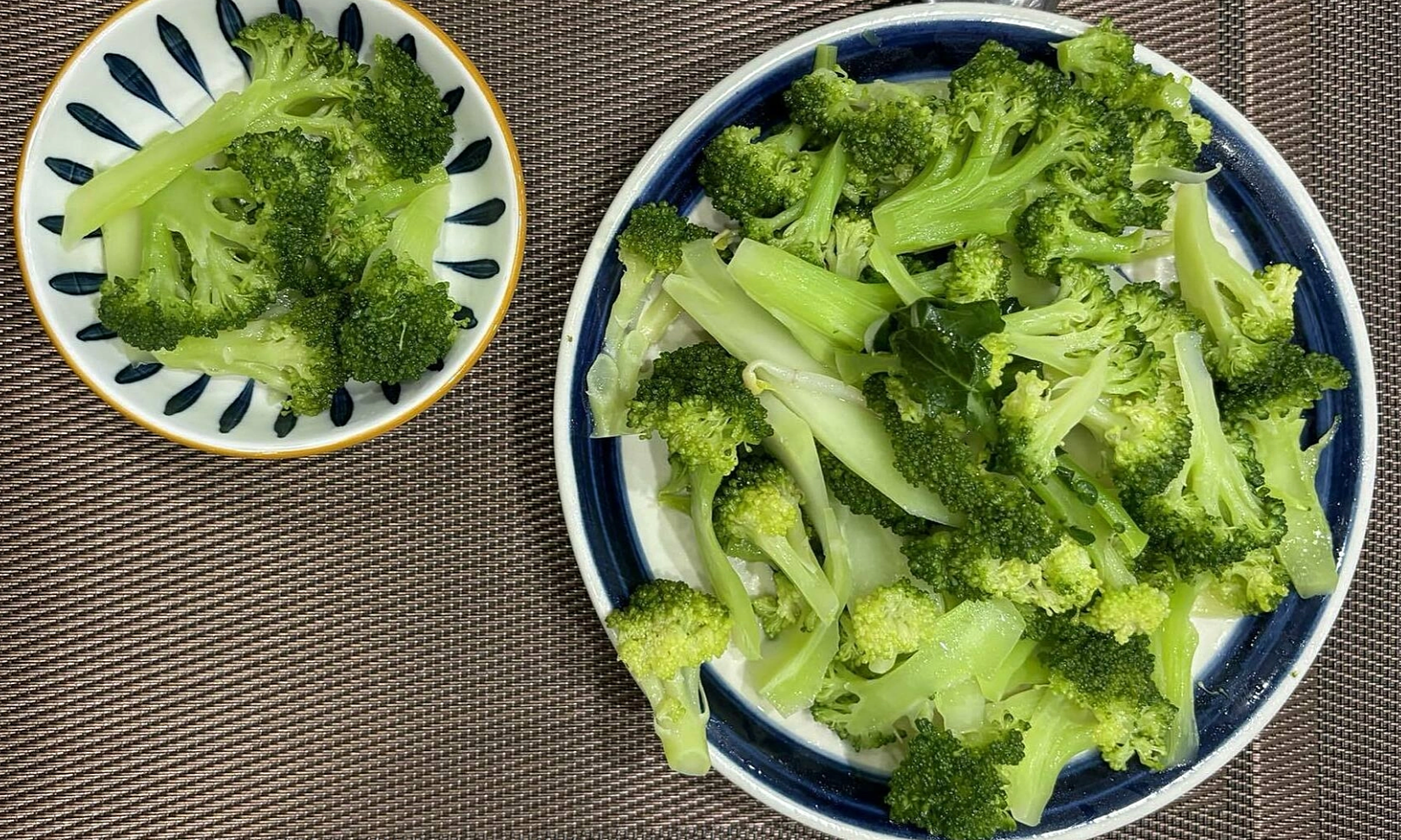
Regarding fruits and vegetables, he noted a paradox: some kidney patients believe green vegetables have high potassium content and avoid them entirely, yet they consume large amounts of tomatoes and kiwi, which are also high in potassium. The expert recommends replacing these with safer fruits like apples, grapes, pineapples, or pears. For green vegetables, the correct preparation method involves chopping them, blanching them in boiling water, and discarding that water before stir-frying or cooking to remove the maximum amount of excess potassium.
Concerning protein intake, the fear of kidney failure causes many patients to avoid eating meat, leading to malnutrition. Zeng affirmed that protein requirements before and after dialysis are entirely different; therefore, patients need to consult a doctor or nutritionist for a diet plan suitable for their individual condition.
To apply this in practice, the expert suggests simple changes to daily menus. For breakfast, instead of black sesame sweet soup, cereal, or bacon sandwiches with milk tea, patients should switch to white bread with one poached egg (without added sauce), or plain steamed buns with steamed eggs and plain water.
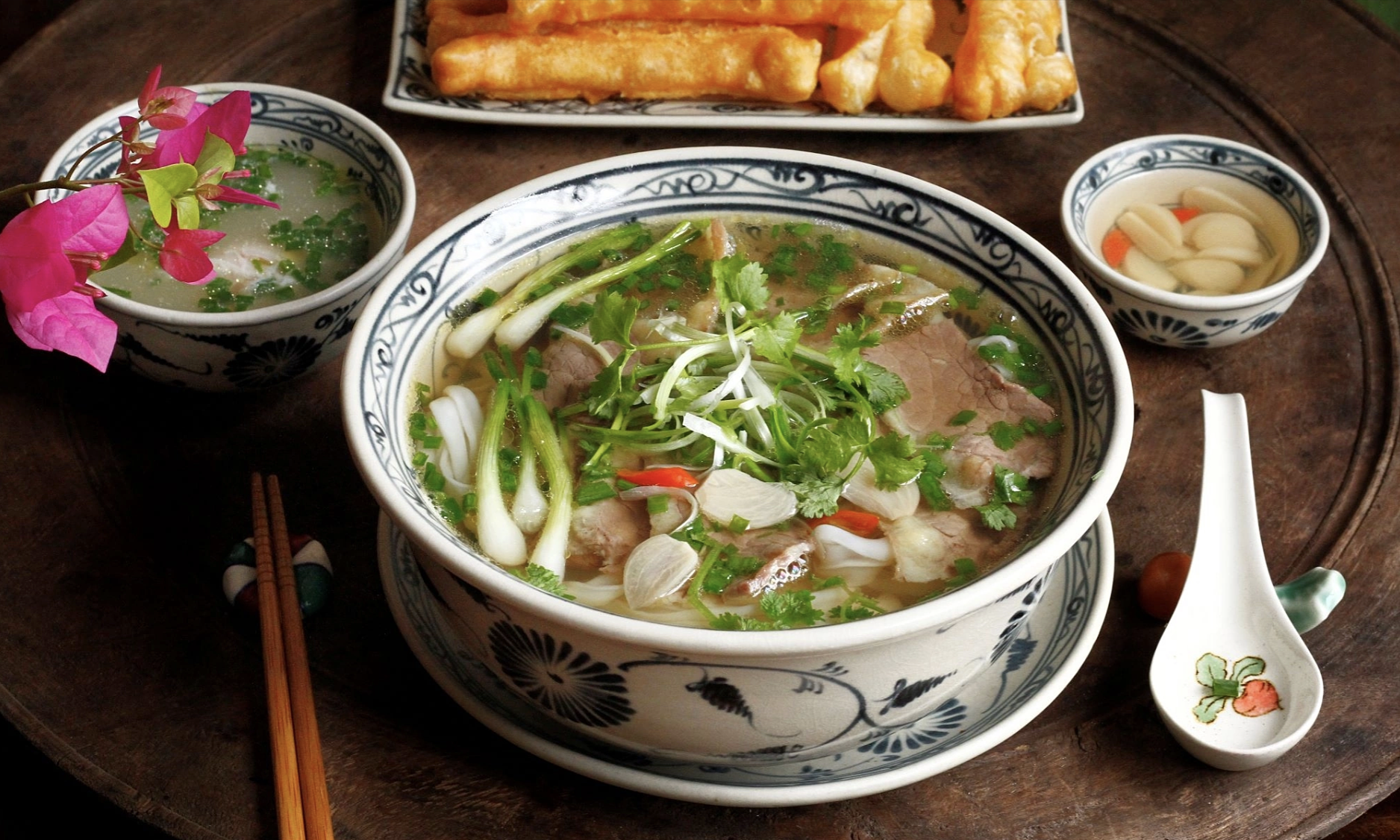
For lunch, instead of rice dishes drenched in sauce or meatball soup, switch to white rice with steamed fish or chicken stir-fried with onions and blanched vegetables, ensuring not to drink the broth. Dinner should avoid instant noodles, industrial bread, or 'nutritious' bone broth; instead, opt for half a bowl of white rice combined with a portion of high-quality protein and pre-treated green vegetables.
Zeng stated that what truly stresses the kidneys is not an occasional piece of meat, but rather the habit of consuming overly salty foods, processed items at every meal, and excessive amounts of broth with each meal. He affirmed: “Eating correctly does not diminish a patient’s quality of life; on the contrary, it is the key to maintaining kidney function longer.”
By Binh Minh (Source: HK01)