Research into cancer-fighting foods is growing significantly, according to functional medicine doctor Truong Thich Hang from Taiwan. These five vegetables protect the body against malignant cells through specific mechanisms:
Celery
The active compound apigenin in celery activates p53 protein in cells. When DNA damage accumulates, cells become defective and risk developing into tumors. P53 protein acts as a "switch", instructing these faulty cells to self-destruct (apoptosis), thereby preventing tumor formation.
Additionally, apigenin inhibits estrogen receptors, helping to prevent hormone-sensitive breast cancer cell lines. This compound is also found abundantly in cilantro, Roman chamomile, and parsley.
Broccoli
Broccoli contains the compound glucoraphanin. During preparation, when the vegetable's structure is broken down (cut, chopped), this substance transforms into sulforaphane – a true cancer-fighting compound.
Sulforaphane not only promotes the self-destruction of cancer cells but also inhibits metastasis and reduces tumor drug resistance.
When preparing, it is advisable to chop broccoli finely and let it sit for about 10 minutes before cooking to maximize enzyme activation of sulforaphane.
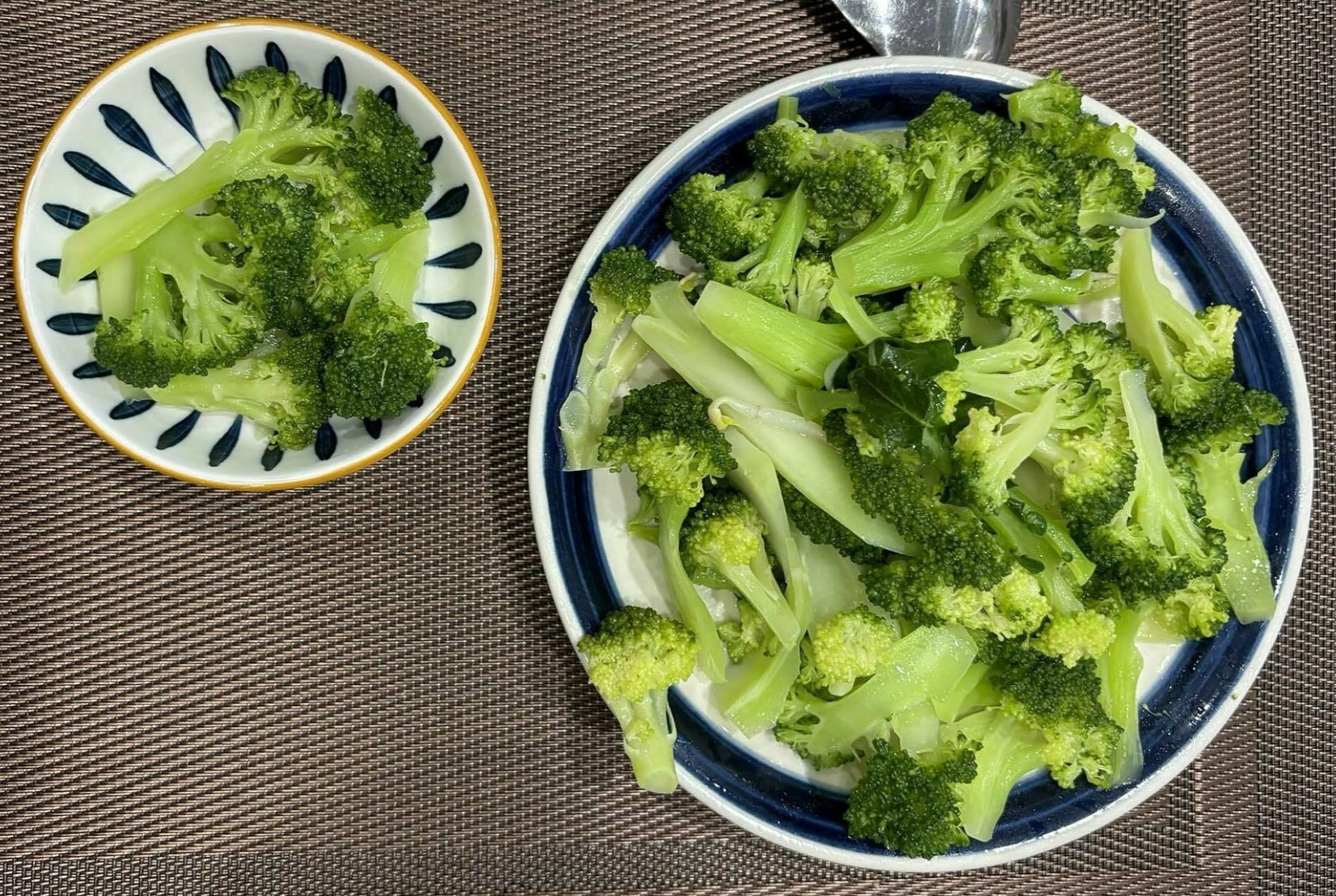 |
Broccoli helps fight cancer naturally. Photo: Anh Chi |
Carrots
In addition to vitamins A, B6, B7, K, and lycopene, carrots also contain luteolin. This substance helps regulate the self-destruction of cancer cells and, notably, prevents the formation of new blood vessels around tumors, thereby cutting off their nutrient supply. Luteolin is also found in extra virgin olive oil, mint leaves, and citrus fruits.
Onions
Onions (especially purple onions) boast the highest concentration of quercetin among vegetables. Large-scale epidemiological studies indicate that individuals who consume more quercetin have a significantly lower risk of lung cancer.
Quercetin works by inhibiting faulty RNA segments in cancer cells, rendering them inactive and forcing them to self-destruct. As it is a fat-soluble substance, you should consume onions with oily dishes for optimal absorption.
Tomatoes
The active compound lycopene in tomatoes has been shown to prevent 12 types of cancer, including: prostate, breast, cervical, ovarian, endometrial, lung, bladder, oral, esophageal, stomach, colorectal, and pancreatic cancer.
Lycopene helps regulate the hormone IGF-1 (insulin-like growth factor). Excessively high IGF-1 stimulates uncontrolled cell division, leading to cancer. Lycopene helps block this stimulation.
Lycopene is most effectively released when cooked with oil or blended into juice to break down cell walls.
While vegetables are highly beneficial, doctor Truong Thich Hang also issues a special warning. Individuals currently taking traditional anticoagulant medications should limit their consumption of broccoli to avoid drug interactions. Nutrient absorption from natural foods is always more effective than from dietary supplements because the body requires a diverse combination of trace elements for optimal uptake.
By My Y (Source: HK01)