Chronic inflammation, a prolonged immune response, can silently damage healthy tissues and lead to metabolic dysfunction, according to the U.S. National Institutes of Health (NIH). This persistent state is linked to serious health issues, including heart disease, diabetes, arthritis, and cancer.
While lifestyle changes are crucial, a balanced diet rich in specific anti-inflammatory foods can naturally reduce inflammation and improve overall health. Here are seven foods to incorporate into your weekly diet for long-term well-being.
Fatty fish
Fatty fish like salmon, mackerel, and sardines are rich in omega-3 fatty acids, specifically EPA and DHA. These essential fats are known to reduce inflammatory markers in the blood and support cardiovascular health. The NIH highlights omega-3s' role in regulating the body's inflammatory response, and regular consumption of fish is associated with a lower risk of heart disease.
Berries
Colorful berries are not only visually appealing but also packed with cell-protective compounds. Strawberries and blueberries, for instance, contain anthocyanins, powerful antioxidants. These compounds neutralize harmful free radicals, thereby reducing oxidative stress, a key factor in chronic inflammation and aging. Incorporating a handful of berries into your breakfast, smoothies, or yogurt can boost your body's natural defenses.
Leafy green vegetables
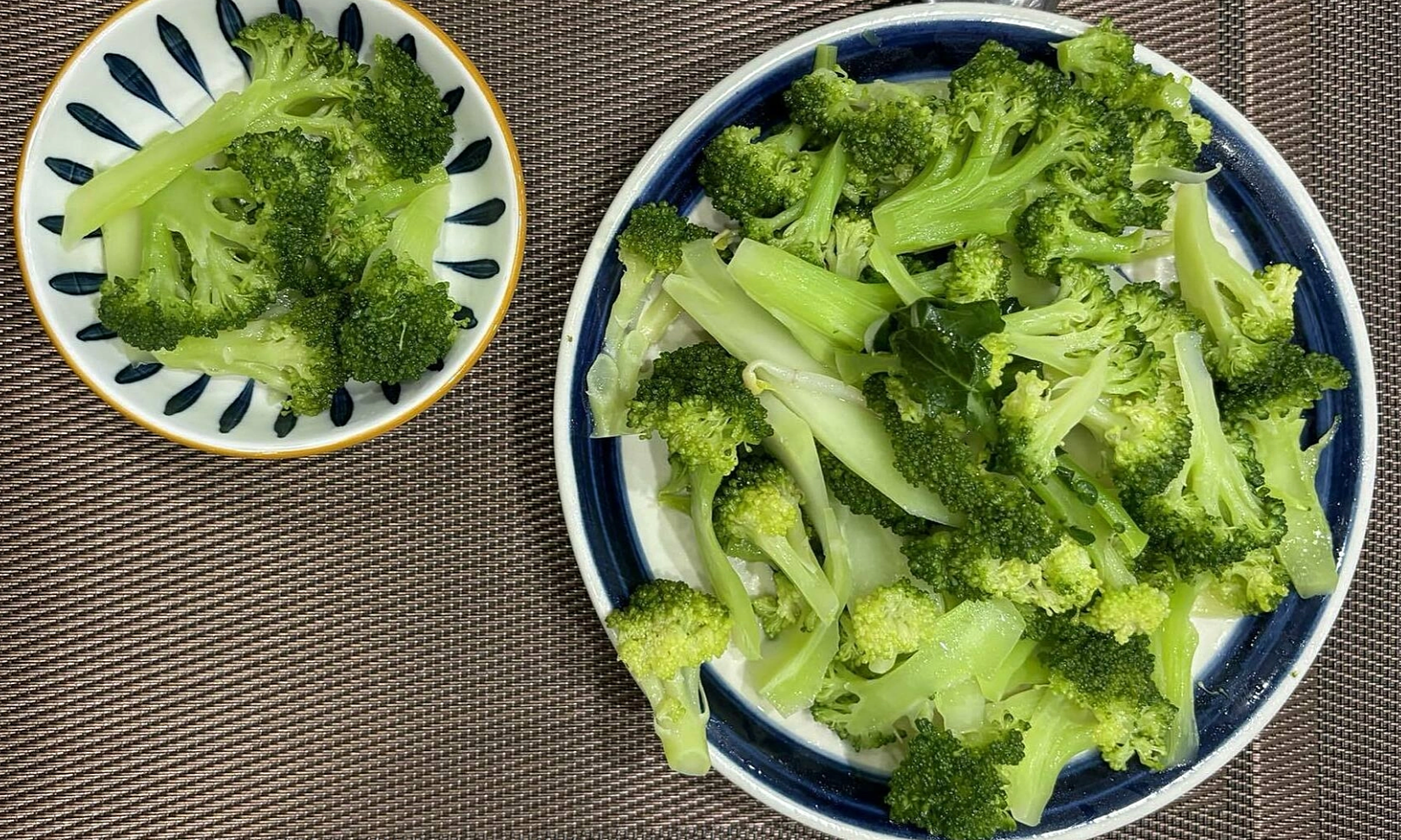
Leafy green vegetables such as spinach, kale, and broccoli offer excellent protective benefits for the body. These vegetables provide essential vitamins, minerals, and plant compounds that help reduce oxidative stress. Rich in vitamins K and C, as well as polyphenols, they support immune balance. The U.S. Centers for Disease Control and Prevention (CDC) recommends frequent consumption of green vegetables to lower the risk of chronic conditions like heart disease and diabetes.
Nuts
Nuts, including almonds, walnuts, flaxseeds, and chia seeds, are sources of healthy fats, fiber, magnesium, and vitamin E. These nutrients help regulate inflammatory processes and improve cholesterol levels. Walnuts, in particular, are rich in ALA, a plant-based omega-3 fatty acid linked to reduced inflammation. Even a small handful of nuts daily can contribute to heart health.
Tomatoes
Tomatoes are abundant in lycopene, a potent antioxidant known for its anti-inflammatory and heart-protective effects. Lycopene helps mitigate oxidative damage associated with chronic diseases. Notably, consuming cooked tomatoes can enhance the body's absorption of lycopene.
Turmeric
Turmeric has a long history of use in both cuisine and traditional medicine. Its main active compound, curcumin, possesses strong anti-inflammatory and antioxidant properties, capable of influencing inflammatory agents in the body. Combining turmeric with black pepper can significantly increase its absorption and effectiveness.
Whole grains
While refined carbohydrates can exacerbate inflammation, whole grains have the opposite effect. Oats, brown rice, and buckwheat are rich in fiber, B vitamins, and antioxidants, supporting healthy digestion and metabolic balance. A fiber-rich diet also nurtures beneficial gut bacteria, which play a crucial role in managing inflammation.
Bao Bao (According to Healthline, Times of India)