Dr. Nguyen Thi Viet Ha, a specialist level one doctor from the Department of Dermatology at Tam Anh General Hospital Hanoi, states that acne is not merely a cosmetic issue but a dermatological condition requiring systematic treatment. Mistakes in treatment can prolong acne and lead to its recurrence.
Ignoring lifestyle factors is a common pitfall. Staying up late, lack of sleep, stress, and a diet high in sugar, sweets, dairy, fast food, and greasy, fried dishes can all trigger acne flare-ups. Many individuals focus solely on topical medications or cosmetics while neglecting lifestyle adjustments, which prevents sustained treatment effectiveness.
Dr. Ha advises that to effectively control acne, patients must combine medical treatment with a healthy lifestyle. This includes getting enough sleep, consuming plenty of green vegetables and fruits, drinking sufficient water, minimizing stress, and exercising regularly.
Overusing corticosteroid-containing medications is another significant mistake. According to Dr. Ha, products advertised for "rapid skin whitening and acne clearance" often contain corticosteroids. Initially, the skin may appear smooth, and acne might quickly subside. However, after a short period, acne typically recurs more severely, and the skin becomes thin, fragile, easily irritated, and can even develop severe dermatitis.
Certain specific medications, often prescribed for severe acne, require close medical supervision. These can cause lipid metabolism disorders, impaired liver and kidney function, and birth defects if used by pregnant women.
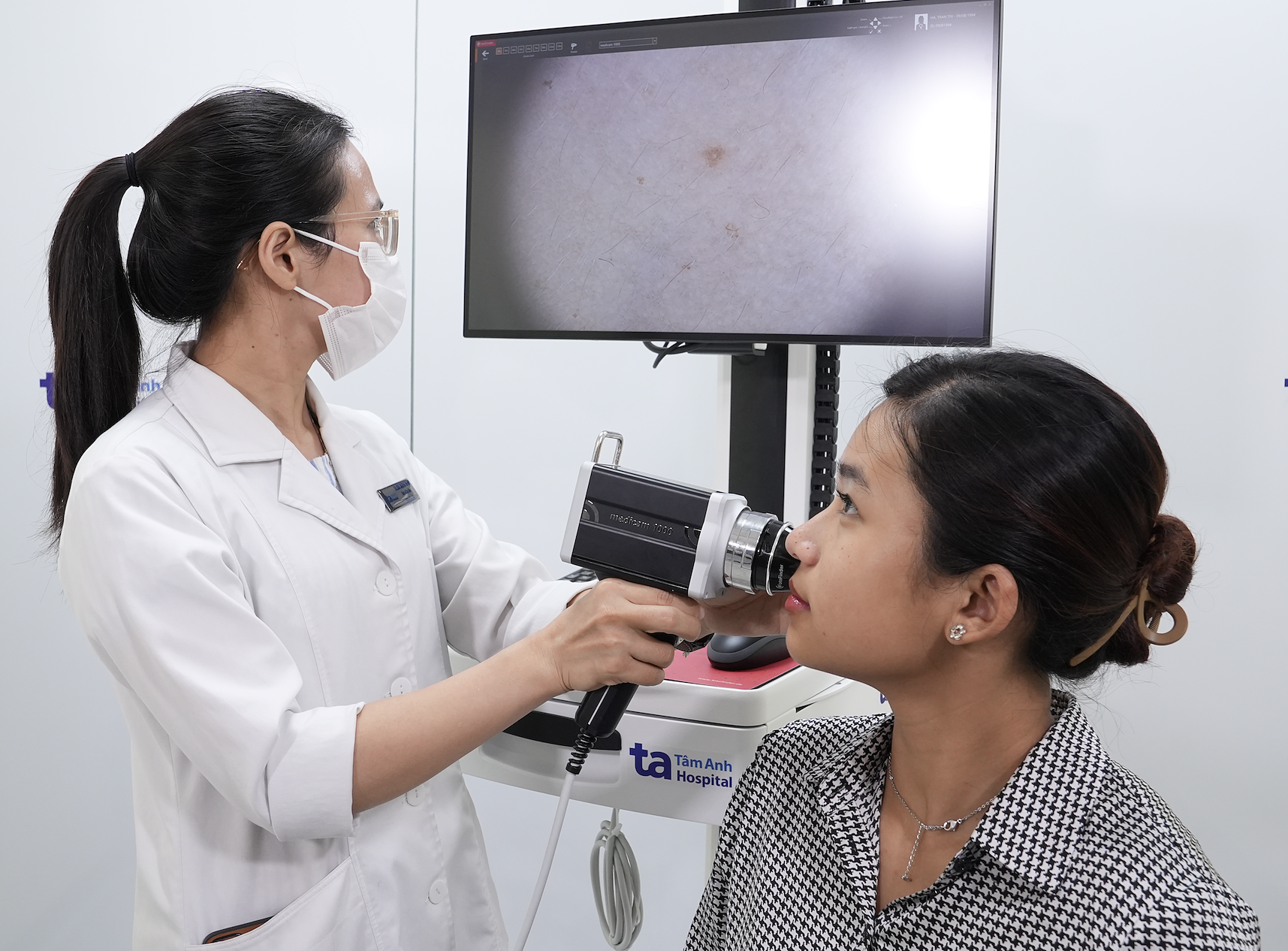 |
A dermatologist examines a patient's skin after acne treatment. Illustration: Tam Anh General Hospital
Excessive skincare can also exacerbate acne. A common mistake among acne sufferers is washing their face too many times a day or using harsh alkaline cleansers combined with continuous exfoliation, hoping for quick acne clearance. In reality, this damages the skin's natural protective barrier, stimulates sebaceous glands to become more active, and causes acne to recur and persist.
Impatience and a lack of perseverance often hinder effective treatment. Dr. Ha explains that acne is a chronic condition that requires long-term treatment. Patients should not expect "acne to disappear in a few days" because the skin regeneration cycle and the effects of medication typically take weeks to months. Discontinuing treatment midway or constantly changing skincare products can further disrupt the skin.
Current acne treatment regimens are diverse, potentially including topical medications containing retinoid, benzoyl peroxide, and topical antibiotics, oral medications, or a combination of modern therapies such as blue light, laser, and medical skin peels. Doctors select the appropriate method based on the severity of acne and the individual's skin condition.
Patients must adhere to their prescribed regimen, attend regular follow-up appointments, and patiently monitor their condition. With proper treatment, most cases of acne can be well-controlled, limiting scarring and significantly improving skin appearance.
Thanh Ba
| Readers can submit questions about dermatological conditions here for a doctor's response. |