Sleeping with open eyes, medically known as nocturnal lagophthalmos, occurs when one or both eyes do not fully close during sleep. As the eyes are not completely covered, the surface can dry out, causing discomfort. Individuals experiencing this condition may feel a gritty sensation, burning, irritation, eye redness, blurred vision, and increased light sensitivity.
Blinking while awake and closing eyes during sleep are crucial for eye health. Blinking distributes tears across the eye surface, while closed eyelids during sleep create a thin tear film that covers the eyeball, maintaining essential moisture for proper eye cell function. Tears also wash away dust and foreign particles. When eyes are not adequately lubricated, the surface is prone to scratches or damage. Consequently, individuals who sleep with open eyes often experience dryness, soreness, and discomfort upon waking.
Nocturnal lagophthalmos rarely appears suddenly. The cause is often related to nerve or facial muscle damage, such as after a stroke, seventh cranial nerve paralysis, or eyelid cosmetic surgery. This condition can also be associated with neuromuscular diseases like Kearns-Sayre syndrome, amyotrophic lateral sclerosis (ALS), head or facial trauma, hyperthyroidism, or due to alcohol and sedative use.
Nocturnal lagophthalmos can affect one or both eyes. If left untreated, prolonged dry eyes can lead to corneal damage, resulting in reduced vision and severe visual disturbances.
Below are some ways to address nocturnal lagophthalmos:
Lifestyle changes: Alcohol and sleeping pills can worsen nocturnal lagophthalmos; in some individuals, they are direct causes. Insufficient or poor-quality sleep also exacerbates symptoms. Therefore, those with nocturnal lagophthalmos should limit alcohol, avoid sleeping pills, and prioritize sleep hygiene.
Eyelid support: A non-invasive measure involves taping the eyelids with small medical tape at night to keep them closed during sleep. This method can be effective for some but may cause discomfort or a constricted feeling for others.
Protecting the eye surface: Treating nocturnal lagophthalmos aims not only to close the eyelids but also to reduce impact on the eyes. Patients should clean their eyes and apply warm compresses twice daily to improve oil secretion and reduce dryness. Gel eye drops can be used before sleep to protect the eye surface and assist with eyelid closure. Note that these drops may cause temporary blurred vision, which resolves after washing the eyes the following morning.
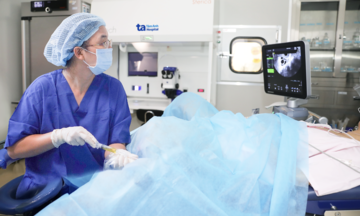
Surgery is indicated when other treatments are ineffective. This method helps widen the eyelids, thereby covering the eyes during sleep.
Sources: Healthline, Cleveland Clinic.